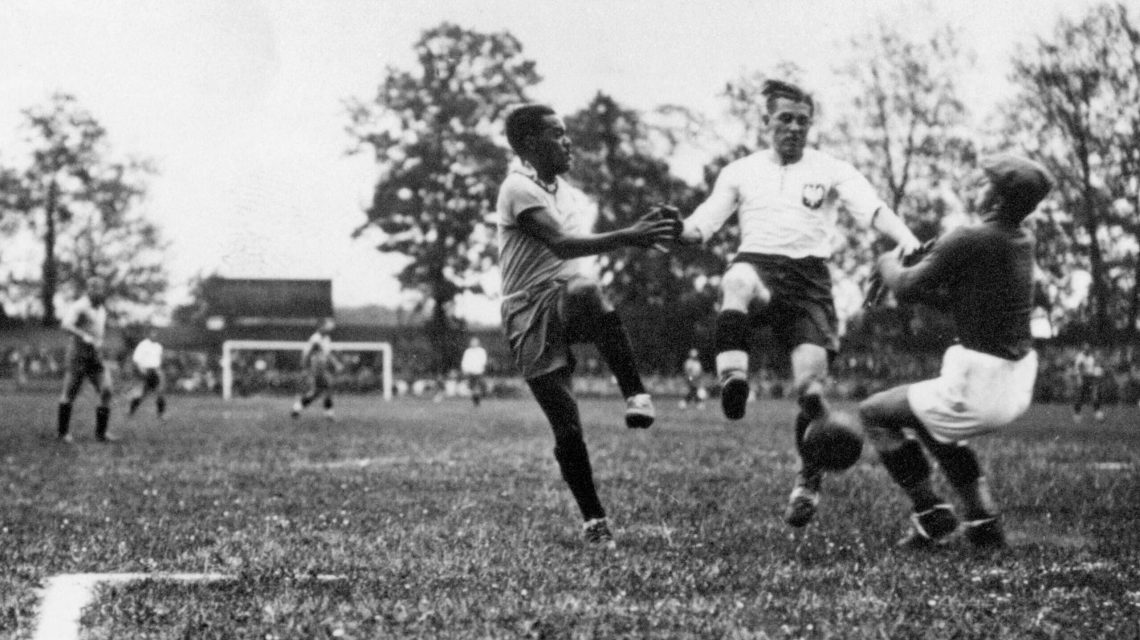
Ernst Wilimowski’s story is a fascinating, yet complex tale of talent and controversy. He made history by scoring four goals in a single World Cup match against Brazil. Despite achieving exceptional feats, many are unaware of his legacy.
Unmatched Soccer Skills
Wilimowski was a football prodigy. He scored ten goals in a game and holds the record for most goals in a German Cup season. He may have scored over 1,000 goals in his career, although exact numbers vary.
Poland’s World Cup history from 1930 to 1970 includes only a single game, yet Wilimowski stood out. He appeared in the 1938 World Cup against Brazil, scoring four goals in a 6-5 defeat. Few have matched his goals-to-games ratio.
The Struggles of Identity
Born in 1916, Wilimowski’s identity was tied to a complex mix of nationalities. His German mother raised him speaking German in Katowice, then part of Germany’s Silesia region. Following World War I, the region transferred to Poland. In 1939, it returned to Germany, complicating his national ties further.
Wilimowski’s familial ties also added complexity. His father fought for Germany before dying, while his stepfather supported Polish-backed uprisings. Navigating these identities, he ultimately played for Germany during the Third Reich, drawing significant controversy.
Myths and Football Legacy
Wilimowski’s skills were undeniable. Predominantly a right-footed, left-sided forward, he showcased remarkable pace and control. His performance at youth levels quickly promoted him to senior leagues, where he achieved rapid success.
He debuted in 1934 with Ruch Wielkie Hajduki, known today as Ruch Chorzow, scoring 113 goals in 86 league matches. Wilimowski also scored 14 hat-tricks in leagues and 35 in all competitions.
Stories, both true and mythical, surround him. Some claim he scored a hat-trick in two minutes or wagered a gold watch for scoring additional goals. These narratives contribute to an enigmatic legacy.
Controversial Choices and Aftermath
In 1939, Poland faced monumental changes when Germany invaded. Wilimowski chose German citizenship, a decision that impacted his reputation. He played for Germany during World War II, scoring 13 goals in eight matches. This choice revived personal privileges but attracted criticism as it aligned him with Nazi Germany.
Despite his remarkable achievements, Wilimowski’s Polish credentials faced erasure. The Polish press scorned him, labeling him unstable and portraying him as an alcoholic.
After retiring from professional football, he moved to West Germany, where he lived until his death in 1997 at 81.
A Complex Sentiment
Wilimowski’s legacy remains contentious. Views on his actions vary, with some considering him a Polish traitor, while others see them as survival decisions. His name remains a point of debate, cascading from undeniable skill to overshadowed choices during tumultuous times.
In Chorzow, Wilimowski’s legacy endures, celebrated through murals and tournaments. Yet, as a recent poll shows, opinions remain divided on how to best honor his place in Polish football history.
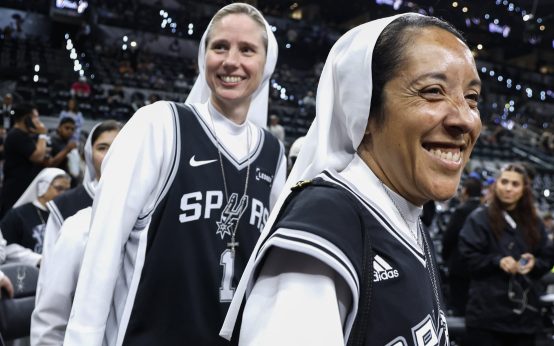 Knicks Lead Spurs As Fourth Quarter Begins: A Playoff Showdown
 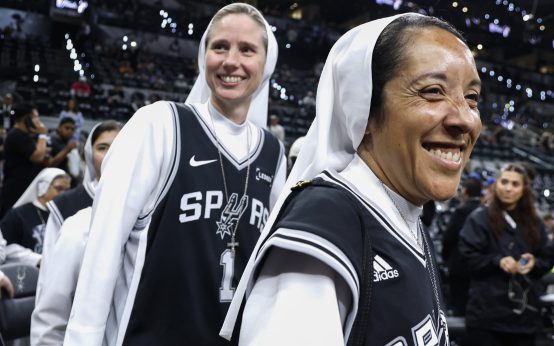 Knicks Maintain Lead With Strong Third Quarter Play
  Knicks Secure Series Lead in NBA Finals Opener
  Forbes Fuels Marist’s Volleyball Journey
 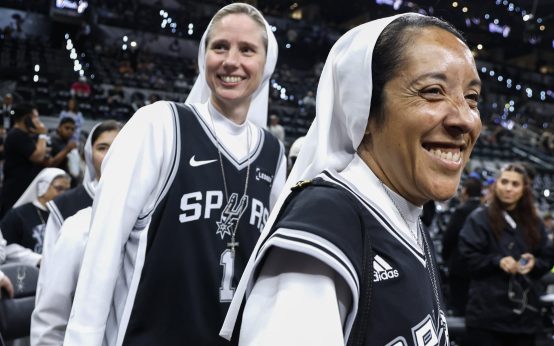 San Antonio Spurs and New York Knicks Clash in NBA Finals Game 2
 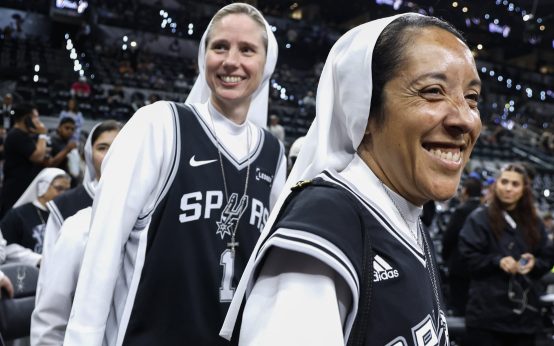 NBA Finals Game 2: Knicks vs. Spurs Updates