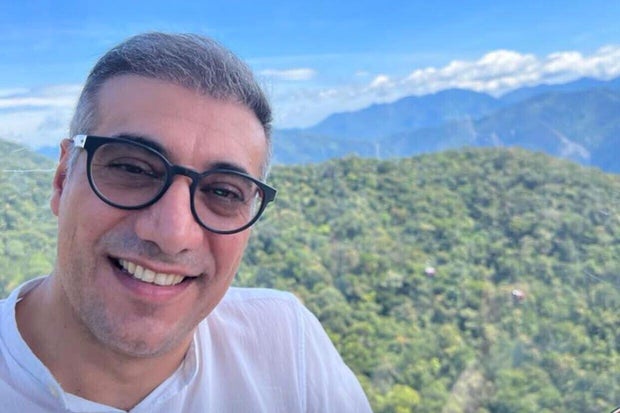
In a phone call recorded within Iran’s Evin Prison, Iranian-American journalist Reza Valizadeh appealed to the U.S. government for medical assistance for him and other Americans detained in the prison. Valizadeh noted that while complete medical treatment might be difficult, the U.S. could urge Iranian authorities to at least reduce some of the physical and mental pressures on them.
Since U.S. and Israel airstrikes on Iran three months ago, the Iranian regime imposed a near-total internet blackout, limiting communication between detained Americans and their advocates. Valizadeh’s message was sent after the regime eased restrictions last week. In his two-minute recording, he mentioned three other Americans suffering from various diseases and deprived of adequate medical services. CBS News could not independently verify the details regarding these individuals.
Valizadeh’s lawyer, Ryan Fayhee, reported that after fires caused by an Israeli airstrike on Evin Prison last June, Valizadeh struggled with persistent cough, back pain, and dental issues. ‘He survived an airstrike and the indignity of imprisonment. He risks reaching out to ensure his plea is shared with the American public,’ Fayhee stated.
The State Department recognizes six American detainees in Iran. However, sources informed CBS News that the current truce negotiations do not include their release. The strategy aims to end hostilities and begin nuclear talks before addressing the detainees. The ongoing risk of inaction remains concerning, but officials are cautious, avoiding complexity that could endanger detainees further.
Valizadeh expressed frustration over the U.S.’s recent return of Iranian sailors taken from a seized vessel, claiming the U.S. could have demanded a prisoner exchange. The sailors were returned as a confidence-building measure in diplomacy between the U.S. and Iran. ‘The U.S. government had chances for our exchange. If releasing sailors makes America great, I respect the decision.’ Valizadeh reflected.
In May 2025, the State Department designated Valizadeh as ‘wrongfully detained,’ a status placing his case under the U.S. hostage affairs office’s jurisdiction. Negotiations involving Iran are led by White House special envoy Steve Witkoff and former President Trump’s son-in-law Jared Kushner, not the State Department. Another American, Kamran Hekmati, is also labeled wrongfully detained.
Lawyer Fayhee emphasized the need for these negotiations to acknowledge the held American citizens, including Valizadeh. Senator Marco Rubio testified that the U.S. considers a two-phase agreement, beginning with a cessation of violence and reopening the Strait of Hormuz. The second phase would address Iran’s nuclear program with negotiations possibly lasting up to 90 days.
Valizadeh, a U.S. citizen since 2022, worked for U.S.-funded Radio Farda. After assurances from Iranian authorities, he felt safe to return to Tehran. However, suspected involvement of a former colleague tied to the Iranian Revolutionary Guard Corps may have led to a trap. Days after his arrival, IRGC agents detained him, confiscated his belongings, and held him in Evin Prison, where he faced intense isolation and questioning. He was charged with collaborating with a hostile government, a frequent accusation against journalists and activists in Iran.
Stephen Capus, president of Radio Free Europe/Radio Liberty, expressed hope for Valizadeh’s release and acknowledged the U.S. government’s stance of wrongful detention, appreciating efforts for his eventual freedom.
Report by Olivia Gazis and Justine Redman.
 Pamela Hicks: Cousin, Bridesmaid, and Witness to History
  Latin American Deportees in Congo: Return to Home Countries Amid Challenges
  Controversy Surrounds Stabbing Incident of British Student
  Royal Cottages and Controversies: Financial and Legal Revelations
 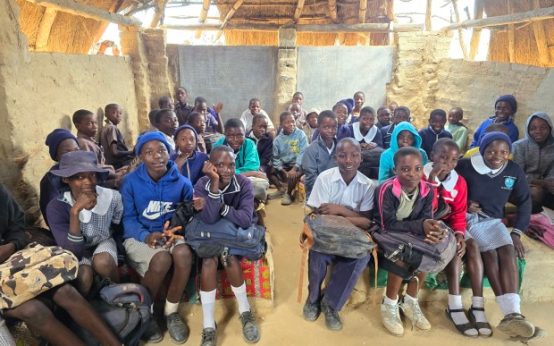 Oak Lawn Librarian Supports Library Projects in Zimbabwe
  World Cup Anticipation: US Men’s National Team and Norway’s Viking-Themed Campaign