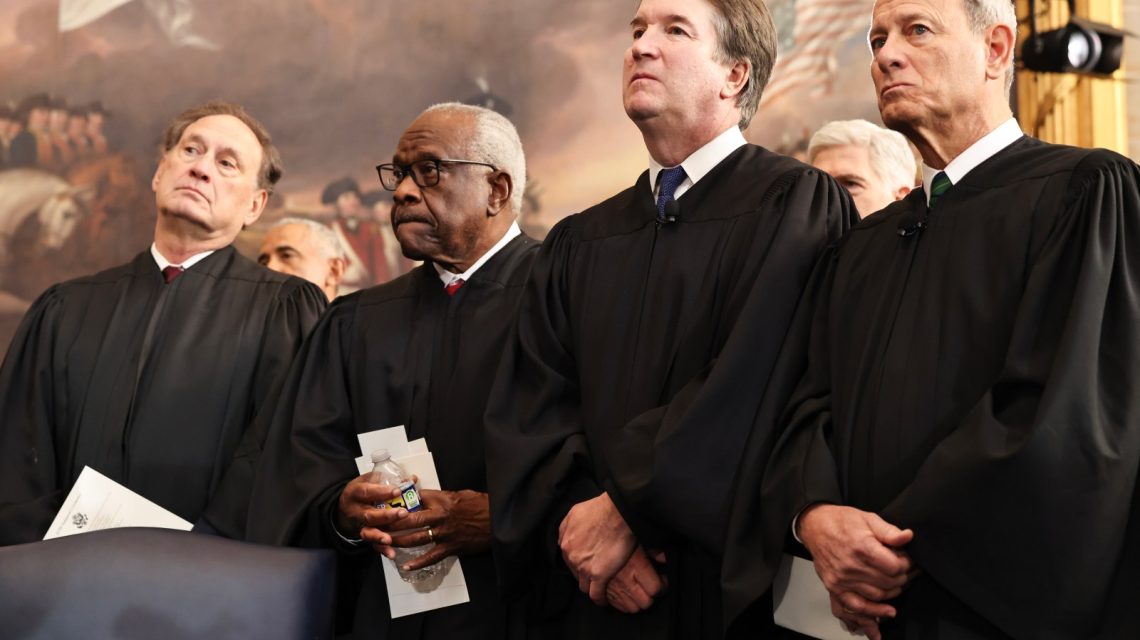
Efforts to Reshape the Supreme Court
Amid declining public confidence in the Supreme Court, Democratic lawmakers are intensifying efforts to reform the judiciary’s highest level. Proposals include introducing a constitutional amendment and replacing lifetime appointments with 18-year terms. Supporters argue such changes would modernize the court and restore public trust. Critics worry about undermining judicial independence.
Challenges Facing Reform
The path to reform is fraught with hurdles. Republicans control Congress, and constitutional amendments are challenging to pass. Legal experts also debate whether Congress alone can enforce term limits. Despite these obstacles, the movement gains momentum among Democrats on Capitol Hill. Representative Ro Khanna cited a poll showing 78 percent of voters favoring 18-year term limits, emphasizing public demand for legislative action.
Why Pursue Reform Now?
The push for restructuring follows the court’s shift to a 6-3 conservative majority under President Donald Trump, who appointed three justices. Recent rulings have impacted abortion rights and gun laws, and a few justices have faced ethics controversies, increasing the court’s political visibility.
Public Support for Term Limits
Despite slim odds, term limit proposals enjoy widespread bipartisan support in public polling. More Democrats have endorsed these proposals following notable Supreme Court rulings. Advocates argue that reform could reduce political conflicts over judicial appointments.
Republicans have strongly opposed these reforms. Senator Mike Lee called term limit proposals a threat to judicial independence, while Chief Justice John Roberts upheld life tenure as vital for safeguarding judicial independence.
The Legislative Push
Democratic Representative John Olszewski proposed a resolution for a constitutional amendment enforcing 18-year term limits. His spokesperson emphasized bipartisan support from polling, urging swift legislative action.
Representative Hank Johnson reintroduced legislation last year for 18-year active service terms. After completing these terms, justices would serve as federal judges in a senior status. His proposal has gained additional co-sponsors recently. Johnson’s district communications director noted public frustration over the Supreme Court’s legitimacy crisis.
Reforming with Two-Year Intervals
Khanna, supporting Johnson’s proposal, previously introduced a similar one to allow two-year appointment intervals, offering each president predictable nomination opportunities. Under Khanna’s plan, sitting justices would remain unaffected by reforms.
Phelan, communications director for Johnson, criticized the appointment of justices by presidents who didn’t win the popular vote. The court has overturned major precedents, sparking debates over its perceived partisanship.
Public Perception of the Court
Public confidence in the Supreme Court has declined with its ideological shift. Conservative supporters view justices as preserving constitutional integrity, while critics argue decisions have been politically driven. High-profile rulings have polarized public views on the court’s impartiality.
Reports of ethical controversies have further strained public trust. Despite adopting a formal conduct code in 2023, skepticism remains.
Polling Insights
Polls reveal growing support for term limits. A 2024 Fox News poll indicated 78 percent of Americans favoring 18-year term limits, while a Marquette Law School poll showed 61 percent perceiving the court as favoring Trump’s positions. A mere 22 percent expressed strong confidence in the court, according to an NBC News survey.
Widespread support from Democrats, independents, and Republicans exists, with last October’s PRRI survey showing 75 percent backing term limits.
Long Odds for Reform
Despite bipartisan public support, current reform efforts primarily have Democratic backing. Republicans have little interest in pursuing these changes. Legislative success is unlikely in the Republican-majority Congress. Even with Democratic control, a presidential veto remains probable.
Constitutionally, imposing term limits is challenging. Achieving a supportive Congressional majority and state ratification for amendments is a significant barrier. However, Democratic lawmakers continue to push the agenda.
Future Outlook
Increasing Democratic co-sponsorship indicates the issue’s potential prominence on the party’s judiciary agenda. While immediate progress seems unlikely, declining court confidence and public support could sustain the debate. Supreme Court term limits, once academic, are transitioning into a mainstream political issue.
 Justice Department Withdraws Plan for $1.8 Billion Fund
  Democratic Concerns Grow Ahead of Maine Senate Primary
  Latin American Deportees in Congo: Return to Home Countries Amid Challenges
  Federal Judge Invalidates Trump-Era Immigration Policy
  Debate Over White House Ballroom Construction
  Scrutiny Surrounds Graham Platner Amid Maine Senate Primary