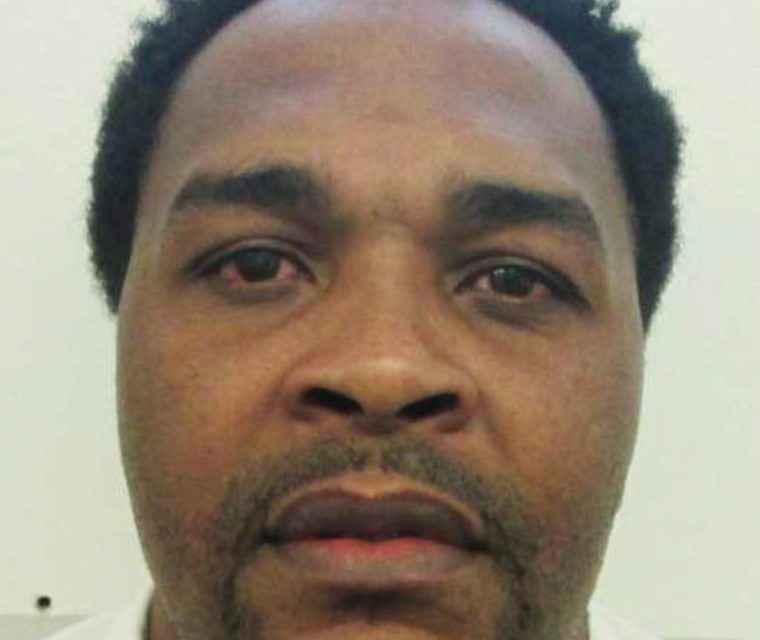
Federal Court Blocks Nitrogen Gas Execution
A federal court recently halted the planned execution of Jeffery Lee, a prisoner on Alabama’s death row. The court determined that the state’s use of nitrogen gas violates the constitutional ban on cruel and unusual punishment. This decision provided an emotional reprieve for Lee, who has been on death row for nearly 30 years.
“It’s like an expected sigh of relief in one aspect, and then you still got to stay and maintain your focus and continue to fight,” Lee told NBC News from the William C. Holman Correctional Facility.
Legal Uncertainty Persists
Despite the ruling, Lee’s fate remains uncertain. Alabama Attorney General Steve Marshall filed an appeal, which could lead the case to the Supreme Court. The Supreme Court has previously supported Alabama in allowing nitrogen executions to proceed. Lee was slated to be the ninth U.S. execution via nitrogen hypoxia, a method Alabama introduced in 2024. This involves breathing pure nitrogen while being denied oxygen, a process that has taken place predominantly in Alabama with seven executions and one in Louisiana.
Challenges to Execution Methods
Lee challenged the use of nitrogen in his lawsuit last August. Testimony during a bench trial indicated that nitrogen executions can cause severe air hunger, leading to extreme emotional distress. Witnesses described prisoners in apparent agony during such executions, with one prisoner, Anthony Boyd, being declared dead 30 minutes after gas exposure began.
Jeffery Lee expressed grief over what other condemned inmates endured, sharing, “I was raised up around those guys… it’s like losing a family member.”
Legal and Ethical Concerns
After initially upholding the method, U.S. District Judge Emily Marks reversed her stance following an appeal to the 11th Circuit Court of Appeals. The appellate court ordered a review of Lee’s request for execution by firing squad instead. Attorney General Marshall noted challenges Alabama might face in implementing the firing squad, such as finding shooters and risks of imprecise aiming.
Lee’s Past and Legal Battle
Lee was convicted in 2000 for the murders of Jimmy Ellis and Elaine Thompson and the attempted murder of Helen King during a 1998 robbery. Initially sentenced to life without parole, a judge overrode the decision, sentencing him to death. This practice was banned in Alabama in 2017. Lee has expressed remorse and claims to have found redemption through his Christian faith.
Uncertain Future for Execution Methods
The federal court ruling against nitrogen gas executions raises questions about future use. Robert Dunham, director of the Death Penalty Policy Project, commented on the significance of this decision. Despite the ongoing legal battles, Lee remains hopeful that he and others will not face execution through nitrogen gas.
Attorney MiAngel Cody, of Lee’s legal team, stated, “We remain hopeful that Governor Ivey will grant clemency.”
Today, Alabama lists lethal injection and electrocution as its execution methods. While Judge Marks acknowledged the inherent pain in execution, Lee and his attorneys continue to fight for clemency and the prevention of nitrogen gas use.