
Senior U.S. officials revealed a draft memorandum of understanding (MOU) with Iran to reporters on Wednesday. The disclosure came after days of secrecy, and the officials spoke on condition of anonymity because Iran has not yet released the document. A formal signing ceremony is scheduled for Friday.
According to the officials, the agreement establishes a new minimum standard for downblending Iran’s highly enriched uranium. It also includes measures to ensure Lebanon’s territorial integrity following Israel’s recent strikes against Hezbollah.
In exchange, the United States plans to waive several broad sanctions against Iran once the agreement is finalized. Additionally, the draft offers toll-free passage through the Strait of Hormuz for 60 days. However, fees could be imposed afterward.
Iran’s Foreign Ministry suggested a deal might be signed by Presidents Donald Trump and Masoud Pezeshkian. Such an event would be a significant moment for the two nations, which cut diplomatic ties in 1980 after the U.S. Embassy hostage crisis in Tehran.
Earlier reports mentioned Vice President JD Vance would join the signing ceremony. However, at the G7 Summit’s conclusion in Paris, President Trump indicated that he might attend instead. Trump added with a smile, “I might. But this is a memorandum of understanding. It might not be the kind of document I should be signing. If it doesn’t work out, I’m blaming JD.”
Details of the 14-Point Draft Agreement
The document named the “Islamabad Memorandum of Understanding” outlines the following points:
- The United States and Iran agree to end military operations, particularly in Lebanon, and refrain from threats or force.
- Both countries commit to respecting each other’s sovereignty and avoiding interference in internal affairs.
- The negotiation for a final deal should conclude within 60 days, extendable by mutual consent.
- The U.S. will lift its naval blockade near Iran within 30 days post-signing and allow proportionate vessel traffic.
- Iran will permit toll-free commercial vessel passage for 60 days and discuss future maritime services in the Strait of Hormuz with regional players.
- The U.S. and its partners plan a $300 billion fund for Iran’s reconstruction and development.
- The U.S. aims to terminate all sanctions against Iran in a scheduled final deal.
- Iran reaffirms its commitment not to pursue nuclear weapons, and both parties will address enriched material stockpiles under IAEA supervision.
- Pending a final deal, the current status quo of Iran’s nuclear program will be maintained, and the U.S. will refrain from imposing new sanctions.
- The U.S. Treasury will issue waivers for Iranian crude oil exports and related services during the initial implementation phase.
- Frozen or restricted Iranian funds will become fully accessible, with agreed procedures for fund release.
- An executive mechanism will be established to monitor MOU implementation and compliance with the eventual final deal.
- Negotiations on final deal specifics will begin following the MOU’s terms.
- The final agreement will receive endorsement from a binding United Nations Security Council resolution.
This breaking news article will have updates as more information becomes available. Additional reporting by the Associated Press supported this article.
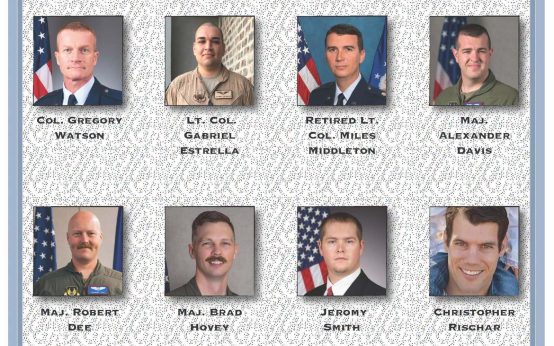 Eight Men Killed in B-52 Crash Identified
  Worried Mother Alerts Authorities to Son’s Alleged Plot on UFC Event
  Shooting Incident at Wilmington Hospital: Ongoing Investigation
  Ohio Man Charged in Thwarted White House Attack Plot
  Yum Brands to Sell Pizza Hut for $2.7 Billion Amid Challenges
  World Cup Matchday 5: Surprises and Performances