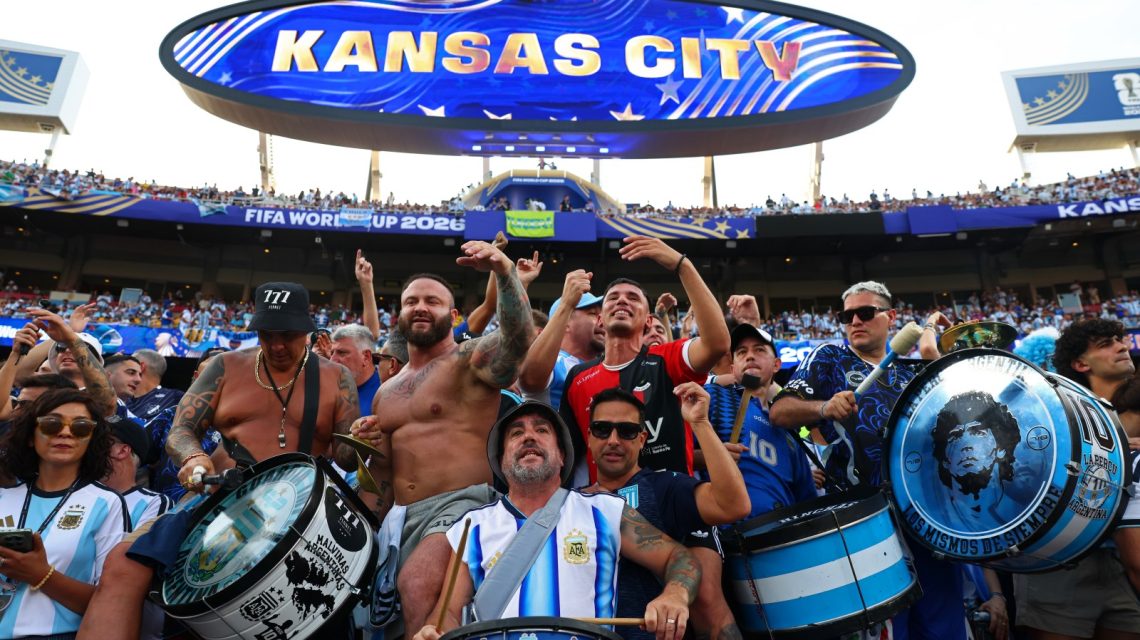
The 2026 FIFA World Cup is already creating varied outcomes in the short-term rental market. Some host cities are experiencing significant demand surges, while others see minimal change. Data from AirDNA, a short-term rental analytics platform, highlights these trends.
Demand Spikes Among Host Cities
Cities hosting World Cup games, like Dallas, report increased interest in bookings on platforms like Airbnb and Vrbo compared to last year’s baseline. However, cities like New York show reduced interest, with short-term rental demand below average.
Which Cities Are Seeing the Biggest Boost?
AirDNA continues to track rentals across host and adjacent cities, offering weekly updates in the lead-up to matchdays. Despite the trend of last-minute bookings, analyzing changes year-over-year offers insight into fan attraction.
Kansas City stands out, hosting four group games and two knockouts, with a 49% surge in rental demand. For the match between Argentina and Algeria on June 16, the increase reached 83%. In Texas, cities like Dallas and Fort Worth experienced 27% and 45% growth, respectively. Miami also saw a 40% year-over-year rise, reflecting a pattern among already popular spots.
According to AirDNA, some host cities charge more year-round or attract more visitors even outside major events. Others face low demand or availability. The World Cup amplifies these differences, causing peaks in some areas.
New York, despite its global appeal, reports a 5% decrease in rental demand year-over-year during matchdays. This is notable, given its role as a main hub for games at New York New Jersey Stadium. Vijay Dandapani, Hotel Association of New York City’s president and CEO, commented on hotel bookings falling below expectations. The city might miss over $100 million in anticipated room revenue.
Assessing World Cup Demand
Airbnb regards the 2026 FIFA World Cup as its biggest hosting event to date, surpassing even the 2024 Paris Olympics. A surge in searches for tournament-time stays led to a notable increase in last-minute bookings, reflecting the event’s nature as teams progress and fans plan trips accordingly.
Despite signs of demand, challenges emerge, such as empty seats during specific group-stage games. Stephen Shapiro, Chair of South Carolina’s Department of Sport and Entertainment Management, noted mixed demand levels. While some matches draw crowds, overall demand seems overestimated. Shapiro points to high ticket prices and the expanded 48-nation format as factors behind attendance concerns.
Shapiro warns FIFA and host nations about the effects of pricing on fan interest, particularly affecting young fans’ opportunities to experience the event firsthand. Still, current attendance appears strong compared to past tournaments, reflecting the 2026 World Cup’s potential success. Rising resale prices indicate growing demand, and fans are witnessing an impressive per-game goal average.
Scott Friedman, host of Ticket Talk, praised the excitement surrounding the World Cup, noting the fan enthusiasm, passion, and vibrancy.
 Pistons Emerge in Giannis Antetokounmpo Trade Rumors
  Jazz Chisholm Jr. Faces Setback After Injury During Yankees Game
  White Sox Challenge Tigers as MLB Season Unfolds
  A.J. Brown Joins New England Patriots, Drawing Comparisons to Patriots Legends
 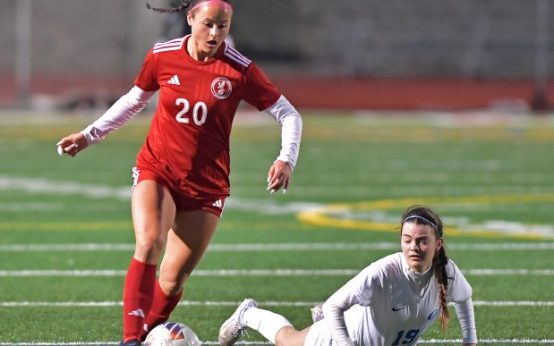 Emerson Burke’s Standout High School Soccer Season
 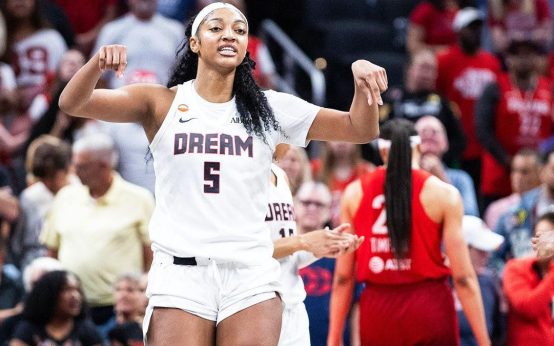 Angel Reese Shines in WNBA Rivalry Against Caitlin Clark