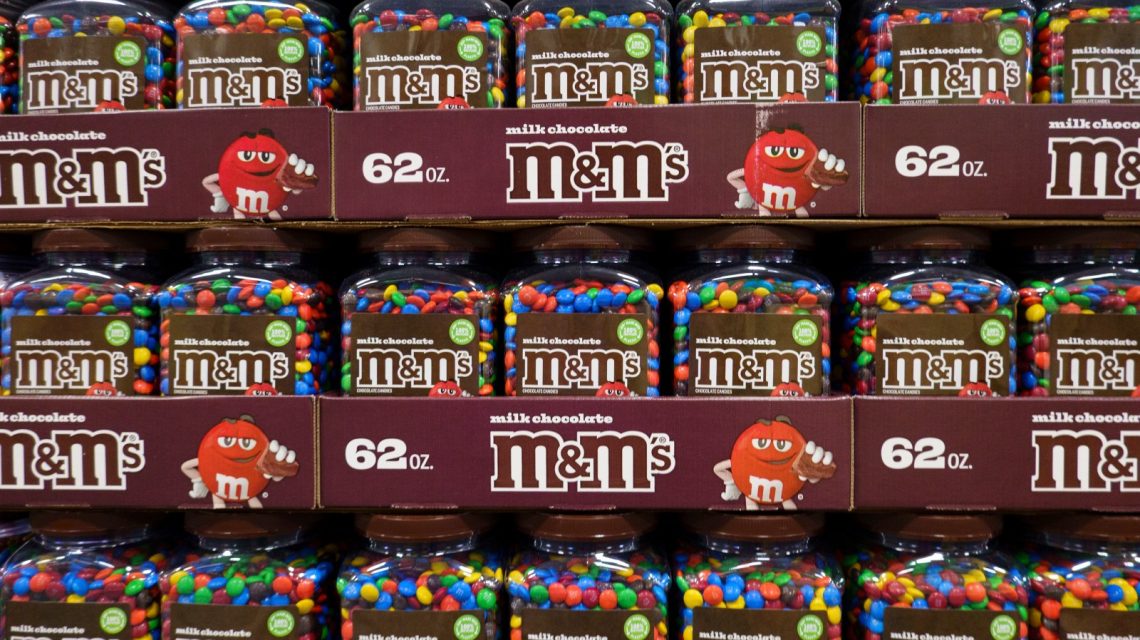
M&Ms Introduce Natural Dyes, Making History
M&Ms, the popular candy, will debut without artificial dyes for the first time. This change aligns with the “Make America Healthy Again” initiative from the Trump administration, as confirmed by Mars, the manufacturer, to The Wall Street Journal. The new candies will be naturally dyed and available on Amazon starting in August. However, the brown and blue M&Ms will not be included in the new packs, as Mars has yet to find natural alternatives for these colors.
Significance of the Change
The shift to natural dyes coincides with increased concerns regarding processed foods and chemicals. Such concerns have been prominent since Robert F. Kennedy Jr. was appointed Health Secretary. This move follows previous changes from Mars, like Skittles omitting titanium dioxide by 2025, a substance banned by the EU due to health risks. The transition reflects a growing trend in the U.S. public health debate.
Investigations and Political Pressure
The move to naturally dyed M&Ms comes amidst pressure from Kennedy and other Republican figures to eliminate artificial colors from food products. Texas Attorney General Ken Paxton has begun an investigation into Mars over claims of consumer misinformation regarding artificial dyes. Paxton argues that artificial food colorings are linked to negative health outcomes, despite Mars’s 2016 promise to remove such colors.
Concerns Over Artificial Food Coloring
Artificial food coloring has become a focal point within the MAHA movement. Concerns center around potential health impacts, particularly on children, and broader issues related to chemicals and additives in the food supply. In 2025, the U.S. Department of Health and Human Services, along with the FDA, announced plans to phase out synthetic petroleum-based dyes. Kennedy, in a press release, emphasized the dangers to children’s health and development posed by these compounds.
Around the globe, artificial colorings face stricter regulations, especially in Europe where manufacturers often opt for alternatives or use warning labels. More states, like West Virginia, are moving to restrict or ban specific dyes, with lawmakers proposing bills to target these additives.
Industry-Wide Impact
Changes are not limited to Mars. Nestlé recently announced the complete removal of synthetic dyes from its U.S. products, earning applause from Kennedy. As the focus on food coloring continues, significant changes are anticipated within the candy industry.