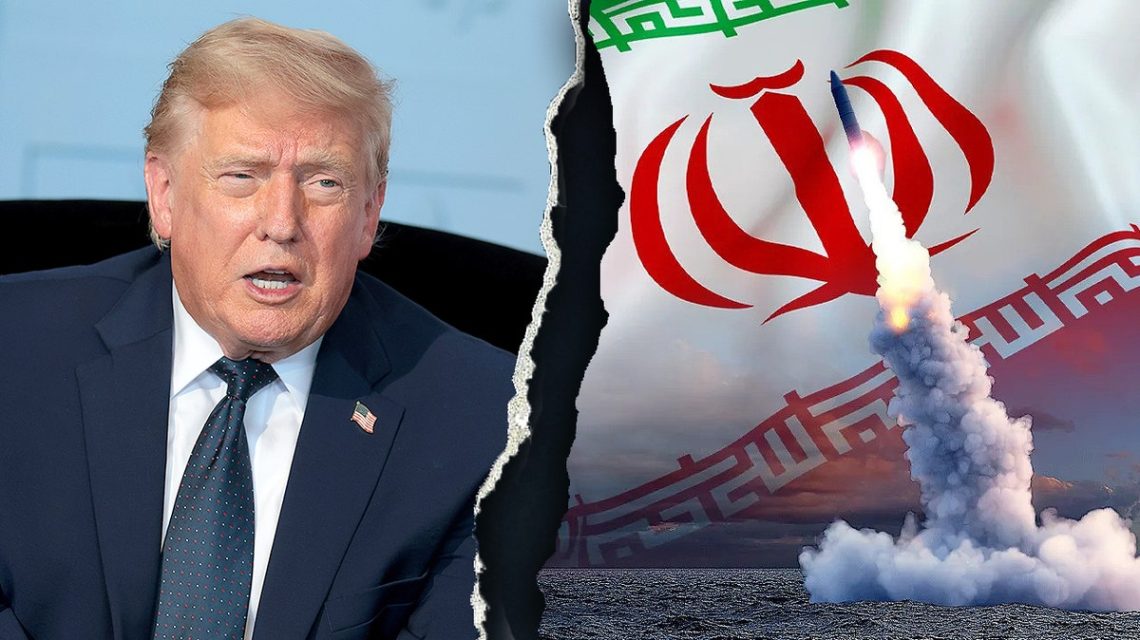
Rep. Rich McCormick, a Republican from Georgia, has voiced his apprehensions regarding the ongoing nuclear talks with Iran. He expresses a deep mistrust of the Iranian regime and aligns with President Trump’s position, criticizing the proposed agreement as an “unconditional surrender.” McCormick points out that releasing billions in frozen assets could bolster Iran’s military capabilities. His stance reflects concern over the regime’s hostile history and advocates for a significant change.
Various experts in nuclear policy have raised alarms about President Trump’s new framework with Iran. They caution that the agreement may grant Tehran excessive control over its uranium reserves unless inspectors can first locate, secure, and verify these materials. The memorandum of understanding (MOU) between the U.S. and Iran suggests that technical negotiations will resolve the status of Iran’s enriched uranium stockpile. It outlines “downblending” as the least acceptable method for dealing with the material, overseen by the International Atomic Energy Agency (IAEA).
Nuclear experts stress the importance of unrestricted verification. Chuck DeVore from the Texas Public Policy Foundation emphasizes that in-person inspections are irreplaceable despite remote technological means. He fears the deal permits Iran too much autonomy in handling its uranium stockpile.
The MOU has been signed, though subsequent discussions planned in Switzerland have been postponed. This delay hampers the clarification of critical nuclear details as the agreement’s 60-day negotiation period begins. The IAEA calls attention to its limited insight into Iran’s nuclear program following last year’s military attacks, noting restricted access to related sites for field verification.
A senior U.S. official commented on background, explaining the MOU compels Iran to reaffirm its commitment to not acquiring or developing nuclear weapons. This is acknowledged as a fundamental step under Iran’s new Supreme Leader. Negotiations aim to curtail enrichment activities and enhance inspection access.
Vice President JD Vance suggests the deal’s benefits hinge on Iran’s adherence to its commitments. He remarked on Iran’s vows to cease enrichment activities and facilitate the destruction of its enriched stockpile, which are essential for the agreement’s success.
Andrea Stricker from the Foundation for Defense of Democracies warns that any credible deal must begin by recovering Iran’s enriched uranium stockpile without allowing Tehran to maintain control. She anticipates Iran could theoretically produce enough material for numerous nuclear weapons if it remains unchecked.
DeVore provides a cautious overview of Iran’s potential weapon-making ability, indicating its uranium stockpile could result in different outcomes depending on the complexity of weapon designs. He acknowledges recent strikes have diminished Iran’s immediate nuclear capabilities.
To ensure enforceability, DeVore states the U.S. should avoid past mistakes, like those within the Obama-era nuclear deal, where Iran restricted access and limited site inspections. He underscores the need for rigorous on-site verification to prevent an agreement that falls short of essential verification standards.
Fox News Digital reached out to the IAEA for comments on the verification issues and the agency’s assessment of Iran’s uranium stockpile, seeking further insights into the framework’s implications.
 Controversy Over Prosecutorial Misconduct in Chicago Case
  The Pitfalls of Unilateral Military Action
  Trump Administration Ends Criminal Investigation into Clemency for Fraud Convict
 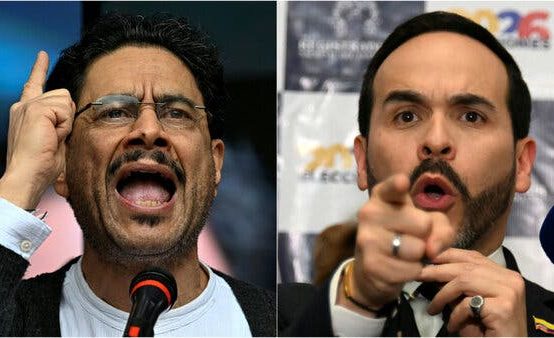 Colombian Election Sparks Global Interest Amid Trump Endorsement
  The Role of Dark Money in the Race for Steny Hoyer’s Seat
  Inside Tulsi Gabbard’s Political Landscape