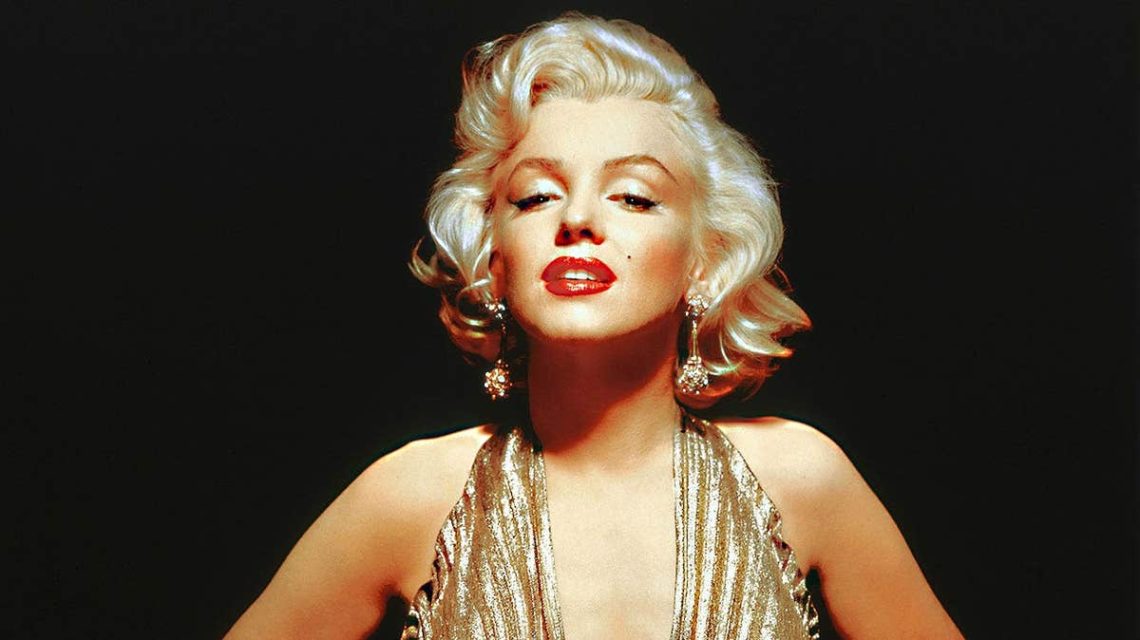
The world reflects on the legacy of Marilyn Monroe as she would have turned 100, with a renewed focus on the circumstances surrounding her death. Paul Holes, a retired cold case investigator known for identifying the Golden State Killer, now examines Monroe’s 1962 death in the unveiling of “Celebrity Crime Scene: Marilyn Monroe” on FOX.
The program, debuting on June 21 and available the next day on Hulu, leverages artificial intelligence to recreate Monroe’s home. Holes, alongside crime scene analyst Alina Burroughs and crime reporter Kiki Monique, delves into unresolved questions about Monroe’s death.
Holes explained his interest in the case, noting the lack of detailed documentation of Monroe’s death scene in 1962. He expressed the belief that with proper recording and investigation, many lingering questions might have been resolved. Monroe was found dead in August 1962, naked in her bed with a telephone receiver in her hand and an empty bottle of Nembutal, a sedative, nearby.
Holes pointed to inconsistencies such as the neat arrangement of pill bottles and Monroe’s position on the bed that did not align with typical overdose scenarios. He questioned the conclusion of suicide, reflected by the lack of barbiturate residue in Monroe’s stomach despite the empty prescription bottle.
The Los Angeles County District Attorney’s Office had concluded that the drugs were likely absorbed into Monroe’s bloodstream, explaining the absence of residue. Monroe, prescribed Nembutal by Dr. Hyman Engelberg, also received medication from Dr. Ralph Greenson, raising more questions about her medical care as noted by Holes.
Recent findings suggest Engelberg may not have disclosed his complete involvement in Monroe’s treatment. Prescriptions by him overlapped with those from other providers, casting doubt on the management of Monroe’s medications.
On the night of her death, Monroe’s housekeeper, Eunice Murray, contacted Greenson after noticing something was amiss. Greenson entered Monroe’s room by breaking a window, finding her dead and subsequently contacting Engelberg, who delayed informing the police.
Conspiracy theories have swirled around Monroe’s death, leading to the case’s reopening in 1982, although no evidence of foul play was confirmed. Holes stresses the importance of exploring all theories to uncover what truly happened.
Despite the mystery, Monroe’s career left a significant impact. Known for films like “Gentlemen Prefer Blondes” and “How to Marry a Millionaire,” her image endures as an icon of Hollywood’s golden era.
Holes emphasized the use of modern technology to reconstruct the death scene, aiding the investigation. He believes the investigation should continue exploring testimony from those close to original witnesses since many direct witnesses are deceased.
Monroe was also tracked by the FBI, which documented her associations, though no Communist Party affiliation was confirmed. Holes remains hopeful that more FBI documents related to her case could be released through Freedom of Information requests.
Despite little evidence of improper influence on the original investigation, Holes is critical of LAPD’s handling, highlighting their deviation from standard procedures. He suggests that more thorough investigation should have been conducted.
 Shooter Jennings Continues His Father’s Legacy
  Extensive Damage to White House Grounds After UFC Event Hosted by Trump
  Taylor Swift’s Influence on Sports and Wedding Speculations
  Examining Trump’s Political Future and USA Soccer Triumphs
  Speculation Surrounds Taylor Swift’s Rhode Island Estate Amid Wedding Rumors
  James Burrows: Celebrating a Legendary Career in Television