A Catholic bishop in Kentucky directed a parish priest to stop celebrating the Traditional Latin Mass. This centuries-old form pre-dates modern church reforms. It reflects how Vatican restrictions under Pope Francis shape global church practices.
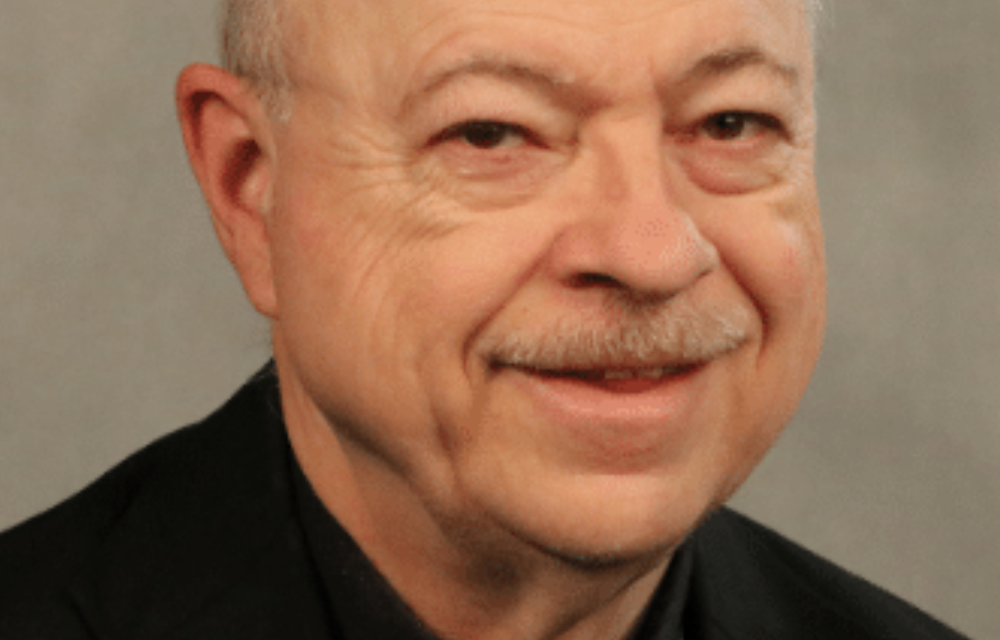
Bishop William F. Medley of the Diocese of Owensboro instructed Father David Kennedy in May to cease using the 1962 Roman Missal after June 30. This followed a temporary Vatican-approved allowance for Kennedy to continue under specific conditions. Medley explained he couldn’t prove Kennedy met these conditions, which included promoting modern mass participation. Therefore, a request for more time to the Vatican was not possible.
This decision underscores the influence of Francis’ 2021 decree, Traditionis Custodes. The decree increased restrictions on the Traditional Latin Mass and tasked bishops with regulating its use. This topic remains a contentious issue in the Catholic Church.
Recent disputes involve Catholic traditionalists and church leaders, including tensions with the Society of St. Pius X. This ultraconservative group faces excommunication for planning to consecrate bishops without papal consent. Newsweek reached out to Medley, Kennedy, and the Vatican for comment by email.
What Is the Traditional Latin Mass?
The Traditional Latin Mass follows the 1962 Roman Missal, last used before major reforms in the 1960s, according to the Vatican. The mainstream mass, known as the Novus Ordo or mass of Paul VI, followed these reforms. Though both are celebrated in Latin, differences exist in prayers, readings, and structure.
Francis restricted the older form five years ago, citing divisive usage by some supporters to reject Second Vatican Council reforms. Advocates argue it preserves Catholic tradition, while opponents promote unity in the church around the modern mass.
The Traditional Latin Mass is typically celebrated entirely in Latin. It maintains older prayers and rituals, with the priest facing the altar. In contrast, most modern masses are in local languages and alter service order, prayers, and readings.
What Medley Said in His Letter
In a letter to Kennedy, Medley mentioned delaying the change for nearly a year after Francis’ death last April. The bishop hoped Pope Leo XIV might reconsider Vatican policies on the Traditional Latin Mass. Medley viewed no indication of policy change and felt obligated to follow Holy See directives, ending the older mass form’s permission.
Medley didn’t ban all Latin worship. He instructed Kennedy to continue Latin modern mass celebration and ad orientem—with the priest facing the altar. This highlights that restrictions target the older rite, not the Latin language.
Contact Newsweek editors on this story: John Fitzpatrick and Shakeema Edwards.