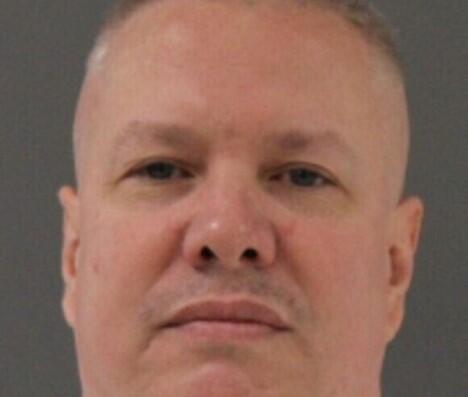
On January 28, 2026, Charles Victor Thompson, a 55-year-old inmate on death row, was scheduled to become the first individual executed in the United States this year. His execution was set to take place at the state penitentiary in Huntsville, Texas. Thompson was condemned for the fatal shootings of his ex-girlfriend, Glenda Dennise Hayslip, and her new boyfriend, Darren Keith Cain, in April 1998.
At the time, the tragic incident unfolded in the Houston suburb of Tomball. According to court documents, Thompson’s relationship with Hayslip had ended due to his increasingly possessive and abusive behavior. On the night of the shooting, Thompson arrived at Hayslip’s apartment around 3 a.m., initiating an argument with Cain. Police intervened and instructed Thompson to leave the premises, which he did, only to return three hours later and commit the fatal act that resulted in the death of both Hayslip and Cain.
Authorities reported that Cain died at the scene, while Hayslip succumbed to her injuries at a hospital a week later. The culmination of these events awaited resolution for over 25 years, as noted by Harris County prosecutors, seeking justice for the victims’ families.
Thompson’s legal representation sought intervention from the U.S. Supreme Court to delay the scheduled execution. They contended that Thompson had been denied the opportunity to challenge the prosecution’s claim that Hayslip’s death was solely due to a gunshot wound. The defense argued that inadequate medical treatment following the shooting resulted in severe brain damage due to oxygen deprivation, ultimately leading to her death.
Despite the defense’s arguments, the Texas Board of Pardons and Paroles declined Thompson’s request to reduce his death sentence to a lesser penalty. Legal filings from Thompson’s attorneys expressed that establishing reasonable doubt regarding the cause of Hayslip’s death could have exonerated Thompson from capital murder charges. However, the prosecution maintained that the jury had already dismissed these claims and determined that Thompson was culpable under state law, as Hayslip’s death ‘would not have occurred but for his conduct.’
An earlier lawsuit filed by Hayslip’s family against her physician, alleging medical negligence during her treatment, ended in a jury ruling in favor of the doctor in 2002. Meanwhile, Thompson experienced a brief reprieve from his death sentence in 2005 when it was overturned, leading to a retrial which again sentenced him to lethal injection.
Following his resentencing, Thompson made a dramatic escape from the Harris County Jail in Houston. He managed to leave the facility after slipping out of his restraints and disguising himself without challenge by utilizing a badge crafted from his prison ID. Thompson later recounted the brief taste of freedom he experienced during his three-day flight, describing it as reminiscent of childhood freedoms.
His escape ended in Shreveport, Louisiana, approximately 200 miles away, where authorities apprehended him. At the time of his capture, he was intoxicated and attempting to facilitate the transfer of funds overseas with the intention of fleeing to Canada.