
Republican senators are re-evaluating a proposal to allocate $1 billion for security enhancements at the White House complex and President Donald Trump’s ballroom. This proposal has struggled to secure sufficient support from the party on Capitol Hill.
The White House has pressured Republicans to incorporate this funding into a $70 billion bill aimed at supporting U.S. Immigration and Customs Enforcement (ICE) and the Border Patrol. However, several GOP lawmakers are skeptical, questioning both the cost and the lack of specificity from the White House and the U.S. Secret Service regarding the utilization of taxpayer dollars.
Senator John Kennedy from Louisiana mentioned that without the security funding, the bill is “back to square one” as the necessary votes are lacking. Similarly, Senator Thom Tillis from North Carolina criticized the inclusion of the security funding as a “bad idea,” noting insufficient backing to pass it even in a reduced form.
The text of the bill remains unpublished, but Senate Majority Leader John Thune acknowledged ongoing difficulties in securing votes, alongside challenges related to parliamentarian rules in determining what can be included under Senate regulations.
Opposition and Internal Frustrations
Democratic criticism focuses on Republicans allegedly funding Trump’s ballroom while citizens face more pressing affordability concerns. Some GOP lawmakers express rising frustration with Trump on other issues, such as his $1.776 billion settlement fund to compensate his allies, which many see as controversial.
GOP backlash has also intensified following Trump’s endorsement of Texas Attorney General Ken Paxton in the primary runoff against Senator John Cornyn. Thune warned that challenging U.S. senators could have consequences, emphasizing the need to move the agenda forward despite complications.
Arguments Over the Settlement Fund
The settlement, resolving Trump’s IRS lawsuit over leaked tax returns, unexpectedly complicates the bill. Democrats aim to block or restrict the “anti-weaponization” fund. They propose amendments to prevent payments to Trump supporters who attacked law enforcement during the Capitol riot on January 6, 2021. As GOP concerns about the fund grow, Republicans consider imposing parameters on settlements to pre-empt Democratic amendments, according to anonymous sources.
While Thune expressed disapproval of the settlement, discussions on introducing restrictions continue. House reception to Senate changes remains uncertain, though House Speaker Mike Johnson indicated the bill would pass in any form.
Tensions Between Senate and White House
Trump criticized Senate Republicans on social media, urging them to replace Senate parliamentarian Elizabeth MacDonough after she rejected parts of the $1 billion proposal from the ICE and Border Patrol bill. He also renewed calls for the SAVE Act and eliminating the Senate filibuster. Trump warned Republicans to act swiftly or face job insecurity.
Despite Trump’s frequent demands, Senate Republicans consistently resist terminating the filibuster established during his first term. Trump’s unexpected endorsement of Paxton exacerbates GOP tensions, as some senators view incumbent Cornyn as a stronger general election candidate.
Security Proposal Concerns
The Secret Service requested $220 million for security measures associated with the ballroom, with remaining funds slated for a new visitor screening center and training. Tillis opposed the inclusion of these improvements, arguing they undermine the bill.
Several Republicans echoed the call for more information after a briefing with the Secret Service director. U.S. citizens face increasing financial pressures, leading Louisiana Senator Bill Cassidy, who lost his primary, to question the prioritization of security funding over essential needs.
The bill continues to seek funding for ICE and Border Patrol. Democrats persistently blocked these funds, demanding reforms amid enforcement crackdowns. With limited negotiation progress, Republicans aim to pass the funding through budget reconciliation, bypassing Democratic votes. This plan will necessitate the parliamentarian’s approval and total Republican support.
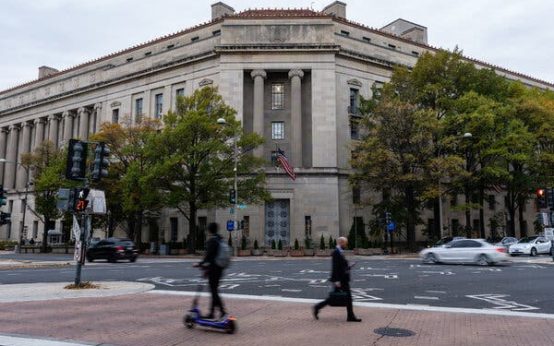 Justice Department Withdraws Plan for $1.8 Billion Fund
 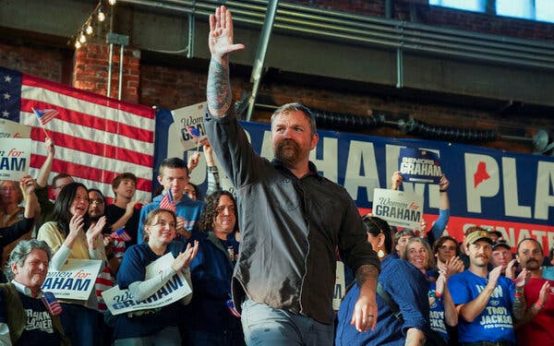 Democratic Concerns Grow Ahead of Maine Senate Primary
  Latin American Deportees in Congo: Return to Home Countries Amid Challenges
 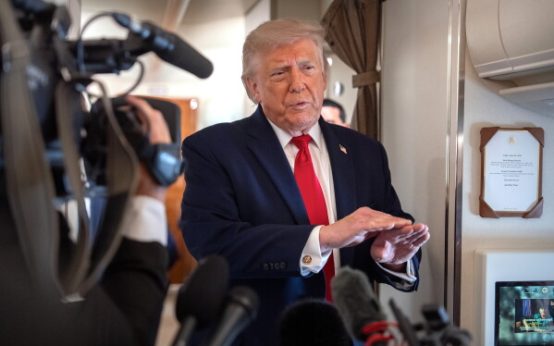 Federal Judge Invalidates Trump-Era Immigration Policy
 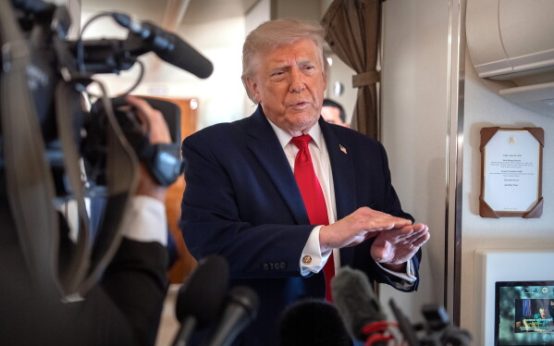 Debate Over White House Ballroom Construction
  Scrutiny Surrounds Graham Platner Amid Maine Senate Primary