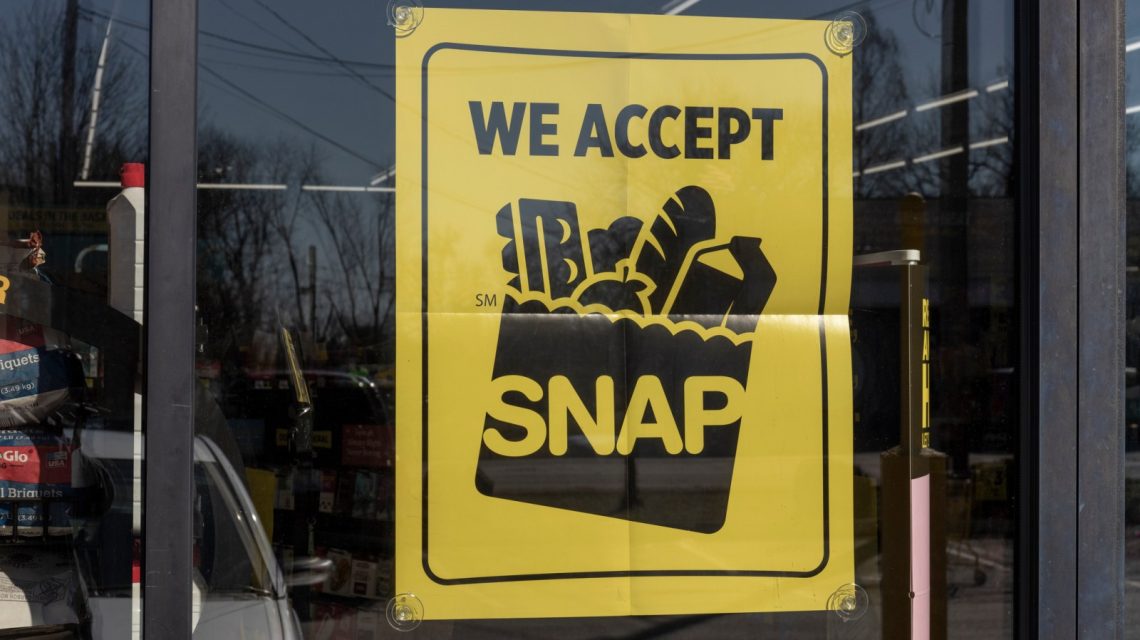
Montana is now among the states attempting to gain federal approval to limit certain food purchases under the Supplemental Nutrition Assistance Program (SNAP). State and federal authorities are moving forward with plans to exclude items such as soft drinks, candy, and other junk food from the program. U.S. Department of Agriculture Secretary Brooke L. Rollins participated with Montana’s Republican Governor Greg Gianforte in submitting a waiver request to restrict buying soft drinks and candy with SNAP benefits. To date, 22 states have already been granted approval to alter the program’s administration.
The initiative is linked to the national ‘Make America Healthy Again’ agenda, led by Health Secretary Robert F. Kennedy Jr.
Current SNAP Purchase Guidelines
SNAP, widely known as food stamps, provides monthly grocery support to approximately 38 million low and no-income individuals across the U.S. SNAP benefits allow recipients to purchase a wide array of grocery products. Recipients can buy fresh produce, meat, dairy products, bread, cereal, snack foods, and non-alcoholic beverages. Seeds and plants for home food production are also permitted.
However, certain items are excluded from SNAP purchases. These include alcohol, tobacco, vitamins, supplements, hot prepared meals for immediate consumption, and non-food household products like pet items and cleaning supplies. The latest state-level waivers extend this list, often adding product categories like soda and candy. Each state participating in these waivers is responsible for defining and enforcing these categories.
States Implementing Soda and Candy Restrictions
The waivers at the state level are decreasing what qualifies as eligible food purchases, with a focus on sugary beverages and candy. Each state decides its own definitions for products like soda or candy to identify what items are restricted.
Montana joins many states that have already received approval for similar SNAP restrictions, including Arkansas, Colorado, Florida, Hawaii, Idaho, Indiana, Iowa, Kansas, Louisiana, Missouri, Nebraska, Nevada, North Dakota, Ohio, Oklahoma, South Carolina, Tennessee, Texas, Utah, Virginia, West Virginia, and Wyoming. In states like Florida, Idaho, Indiana, Iowa, Louisiana, Nebraska, Oklahoma, Texas, and Utah, these policies are already in effect.
Rationale and Criticism of SNAP Restrictions
Proponents argue that it is inappropriate for taxpayers to support unhealthy food purchases. They believe these restrictions could promote better dietary choices. Kennedy has consistently advocated for limiting sugary products in SNAP, stating, ‘People can make their own choice about what they’re going to buy and what they’re not going to buy… U.S. taxpayers should not pay for it. The U.S. taxpayer should not be paying to feed kids foods… the foods are going to give them diabetes.’
Conversely, critics, including anti-hunger advocates, say the changes unfairly target low-income Americans and complicate grocery shopping. Gina Plata-Nino, SNAP director at the Food Research and Action Center, stated, ‘This is just another way to cut benefits. It’s like, how do we restrict people more? How do we stigmatize them more?’
Some SNAP recipients have already filed lawsuits against the USDA over these restrictions, claiming the policies lead to confusion at checkout counters. Marc Craig, from Iowa, shared his struggles, stating, ‘I still get to the register only to be told I cannot use SNAP to buy everything I have selected.’
The USDA has declined to comment on ongoing legal proceedings.
Retailers’ Challenges
Retailers and advocacy groups have expressed concerns over the diverse state-by-state regulations, which may lead to operational issues at stores. The Food Research & Action Center warns that the differing waiver systems could cause ‘confusion, retailer withdrawal, and diminished food access,’ with a particular impact on smaller retailers who have limited administrative resources.
These restrictions come during a time when food prices are elevated nationwide, increasing the difficulties households face in affording groceries.