Prosecutors state that accusers who choose to drink or use drugs face a significant challenge in proving they were incapable of consent due to being physically helpless. There’s a push to amend this aspect of the law.
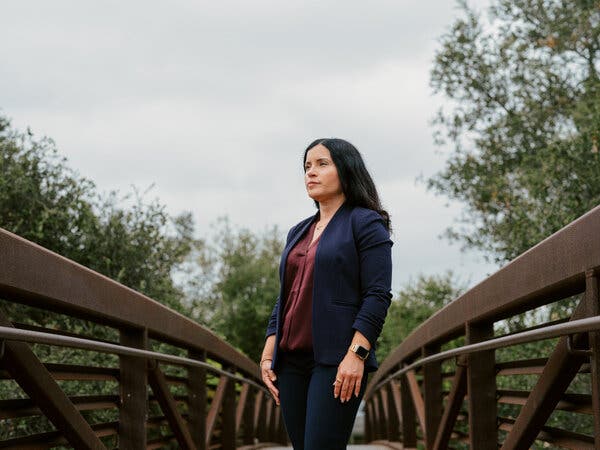
Leslie Hunt alleged rape in October 2015 after a night out with a co-worker for drinks. She awoke in a Brooklyn hospital.
A young woman recounted an evening with two male friends that ended in drinking at one of their homes. She felt unwell, and one man helped her to a bed. She testified that as she faded in and out of consciousness, two men and a third person who joined in took turns assaulting her, despite her saying, “I just want to go home.”
Westchester County prosecutors argued that the woman clearly did not consent and was raped. Richard Ferrante, attorney for one suspect, maintained his client believed all actions were consensual. Jurors reached no decision, resulting in a mistrial. The men accepted lesser charges, avoiding incarceration.
Prosecutors believe this case might have had another outcome under a proposed bill in the New York Legislature. The bill seeks to revise the current rape law, which complicates charging individuals with rape if the accuser voluntarily consumed substances.
Existing law excludes those who were voluntarily intoxicated from being deemed “mentally incapacitated” during an assault, affecting their ability to claim non-consent. Defense attorneys suggest that one might still argue they were “physically helpless” if unconscious or unable to communicate consent during the event. Yet, this definition omits those who were semiconscious, slurring speech, or unable to walk steadily prior to an assault, supporters of the new bill argue.