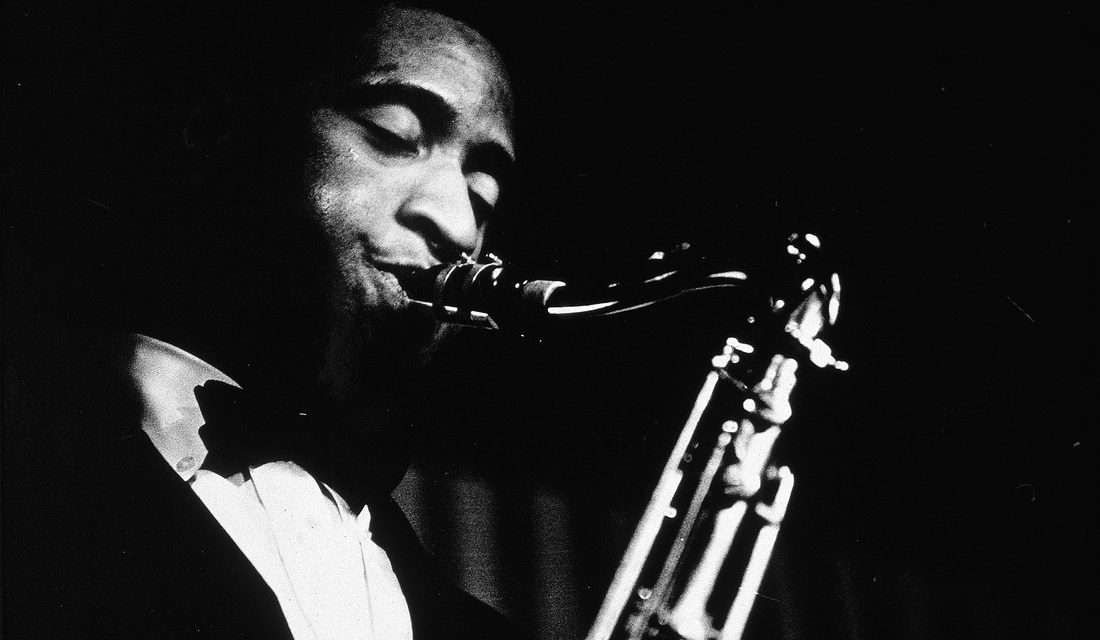
Theodore “Sonny” Rollins, the legendary saxophonist known for his immense tone and endless improvisations, has passed away. Rollins, a key figure in the jazz world, died at 95 in his Woodstock, N.Y. home.
Celebrated as a National Endowment for the Arts Jazz Master and honored by the Kennedy Center, Rollins embodied the essence of modern jazz musicianship. Despite his accolades, he maintained focus on perfecting his craft. “All these prizes are nice,” he once told NPR, highlighting that true satisfaction lies in doing your best.
Born on September 7, 1930, in New York City’s Sugar Hill, Rollins grew up surrounded by prominent jazz talents like Jackie McLean and Art Taylor. This environment fueled his passion for innovation in music, despite his parents’ unease about his pursuits.
Physically imposing, with distinct features and an early mohawk haircut, Rollins dominated the jazz scene. Yet, in the late 1950s, he withdrew to seek a new path, practicing alone on the Williamsburg Bridge by night. His return in 1962 with “The Bridge” marked a cultural milestone.
Rollins believed in spontaneity. “When I’m playing completely spontaneous, just something comes out from somewhere,” he explained to NPR. His ability to transform a melody by mastering then releasing it during performance defined his best work.
His musical diversity expanded beyond jazz purism. Rollins relished playing calypsos and unaccompanied cadenzas. He composed the theme for “Alfie,” jammed with the Rolling Stones, and revamped Stevie Wonder’s “Isn’t She Lovely.” His friend, pianist Joanne Brackeen, admired his unique sound, saying, “It’s like his sound. You hear just a couple of seconds and you know who that is.”
Rollins’ musical choices mirrored his personal preferences rather than commercial demands. He founded Doxy Records to maintain artistic control, balancing it under Sony Masterworks. He expressed disdain for corporate uniformity, emphasizing jazz’s dynamic nature. “We’re about creation, freedom, thinking things out in the moment,” he noted. Jazz, for Rollins, mirrored the ever-changing facets of life.
 President Trump’s Attendance at NBA Finals Game Sparks Reactions
  Son of James Handy’s Girlfriend Charged in Actor’s Murder
  Exploring Themes of Success and Authenticity in “Power Ballad”
  Actor Anthony Head Passes Away at 72
  Taylor Swift’s Return to Country with ‘Toy Story 5’ Song
  Randy Travis’ Health Struggles and His Storied Music Career