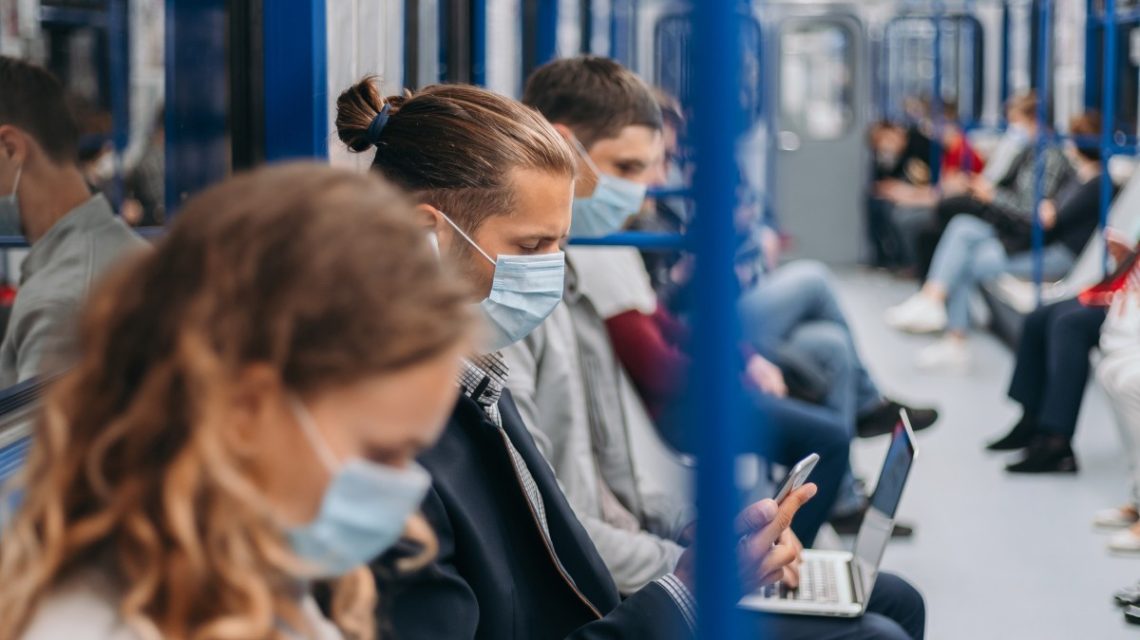
Federal funding reductions for one of America’s key infectious disease monitoring programs pose potential risks to public health responses. Experts express concern as a new COVID-19 variant, named BA.3.2 or “cicada,” spreads within the U.S. The situation underscores the need for effective monitoring systems.
Funding Reduction Details
Under President Donald Trump’s budget plan, the Centers for Disease Control and Prevention’s (CDC) National Wastewater Surveillance System (NWSS) faces reduced funding. Annual allocation will decrease from $125 million to $25 million. The American Society for Microbiology highlighted in a letter to the Senate Appropriations Committee that the CDC has “exhausted all available supplemental funding to support wastewater at the agency.” The NWSS could lose funding sustainability by Sept. 30, 2026, if no additional funds are secured.
The CDC’s NWSS began under the 2020 CARES Act, expanding with supplemental funding during the COVID-19 pandemic. It monitors over 1,000 sites nationwide to detect infectious diseases through wastewater samples. This system allows health teams to track viruses long before cases are confirmed by doctors.
The Threat of the “Cicada” Variant
The COVID-19 variant BA.3.2, referred to as “cicada,” has been detected in 25 states. It exhibits symptoms similar to other COVID-19 variants including cough, fever, and loss of smell or taste. Dr. Dan Barouch from the Beth Israel Deaconess Medical Center notes this variant has mutations leading to partial escape from current antibody responses, but it does not appear to cause more severe symptoms.
WastewaterSCAN, a program by Stanford University and Emory University, tracked this variant in multiple states including California and Massachusetts. The ongoing spread of the “cicada” variant raises questions about vaccine updates and the variant’s potential dominance.
Importance of Wastewater Surveillance
Experts like Rachel Noble from the University of North Carolina and Dave Larsen from Syracuse University warn of the consequences of cutting funding for wastewater surveillance. The reduced budget could limit the program to operate in a few states and focus solely on seasonal outbreaks.
Wastewater surveillance provides an essential early warning system. Studies show it can provide insights into disease spread months in advance, offering critical time for health teams to act. Nicole Fahrenfeld from Rutgers University notes this system detects infections before symptoms prompt medical attention, giving valuable reaction time.
Calls for Action and Expert Opinions
The People’s CDC, a group of health professionals, urges constituents to contact Congress to restore full funding for this system. Over 2,880 letters have been sent, approaching their 3,000-letter goal. With funding cuts, the chair of the Public Health Department at Syracuse University warns that the national coverage of wastewater surveillance would be lost, impacting disease response capabilities.
Amy Pruden-Bagchi from Virginia Tech emphasizes that such funding cuts undermine previous investments. Maintaining the program at full capacity is more cost-effective in the long term.
Professor Noble argues against these cuts due to the system’s role in diagnosing and assessing community disease outbreaks. Early detection of potential outbreaks could save thousands of lives by expediting vaccine development. The network’s efficiency and regional sampling capability underscore the need for continued investment in this critical public health infrastructure.
 Researchers Escorted Out of Diabetes Conference for Criticizing Trump Administration
 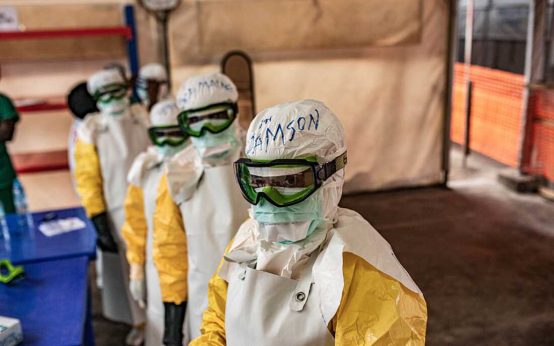 Ebola Outbreak in Africa: A Serious Concern
 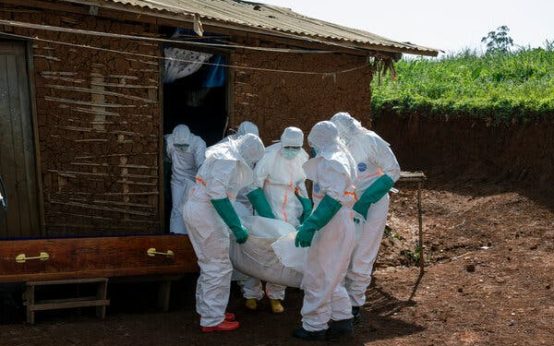 Gold and the Ebola Outbreak in Congo’s Mining Towns
  House Passes Bill for Veterans’ Benefit Increase
  Gene Editing in Human Embryos at Columbia University
  Melinda French Gates Commits $215 Million for Global Women’s Health