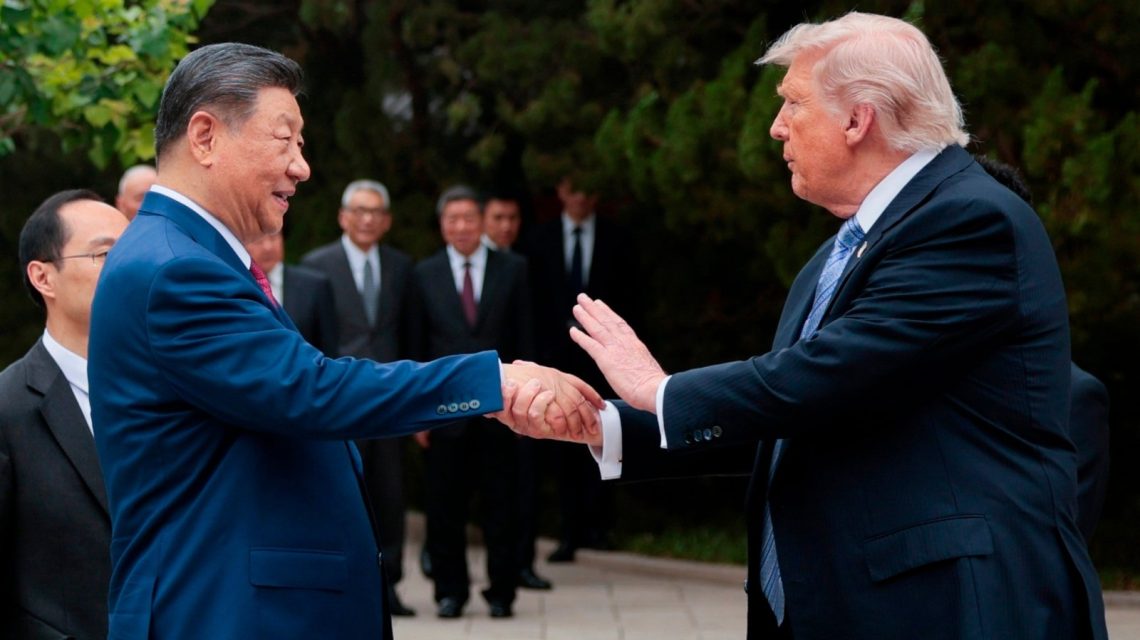
The Office of the U.S. Trade Representative (USTR) has opened the floor for public opinions on which ‘non-sensitive’ goods may be eligible for tariff reductions. This initiative is part of the ‘Board of Trade’ framework with China, aimed at enhancing economic cooperation between the two nations.
The trade mechanism was a key outcome of President Donald Trump’s visit to Beijing from May 13 to 16, where he held discussions with Chinese President Xi Jinping. U.S. Trade Representative Jamieson Greer emphasized the administration’s commitment to facilitating mutually beneficial trade. He called for public input while maintaining necessary tariffs to protect American economic and national security.
The U.S. administration plans to collaborate with stakeholders, including those in manufacturing, fishing, ranching, and small business sectors, to identify non-sensitive goods that could yield positive trade results. The deadline for submitting comments is July 10.
This call for public feedback represents a constructive step toward easing trade tensions following the Trump-Xi summit, according to Xin Qiang, deputy director of the Center for American Studies at Fudan University. Xin noted that any reduction in U.S. tariffs could provide a foundation for more substantive bilateral trade discussions.
The Trump-Xi talks yielded limited outcomes in areas of strategic contention such as artificial intelligence and Taiwan. However, trade emerged as a sector with potential for near-term progress. The ‘Board of Trade’ serves as a platform for managing trade in non-sensitive goods, while the ‘Board of Investment’ addresses investment issues, as outlined by the White House.
Zongyuan Zoe Liu from the Council on Foreign Relations highlighted these mechanisms as the cornerstone of the U.S.-China trade agreement, outweighing specific purchase agreements like those for $17 billion in American agricultural products.
The trade conflict initiated by Trump’s administration reached a peak with substantial tariffs, especially on Chinese goods, based on allegations of unfair trade practices. Progress toward easing tensions began with Trump’s earlier meeting with Xi in South Korea, where the U.S. reduced tariffs on fentanyl-related goods and China agreed to boost U.S. soybean imports and relax rare earth export restrictions.
 Pamela Hicks: Cousin, Bridesmaid, and Witness to History
  Latin American Deportees in Congo: Return to Home Countries Amid Challenges
  Controversy Surrounds Stabbing Incident of British Student
  Royal Cottages and Controversies: Financial and Legal Revelations
  Oak Lawn Librarian Supports Library Projects in Zimbabwe
  World Cup Anticipation: US Men’s National Team and Norway’s Viking-Themed Campaign