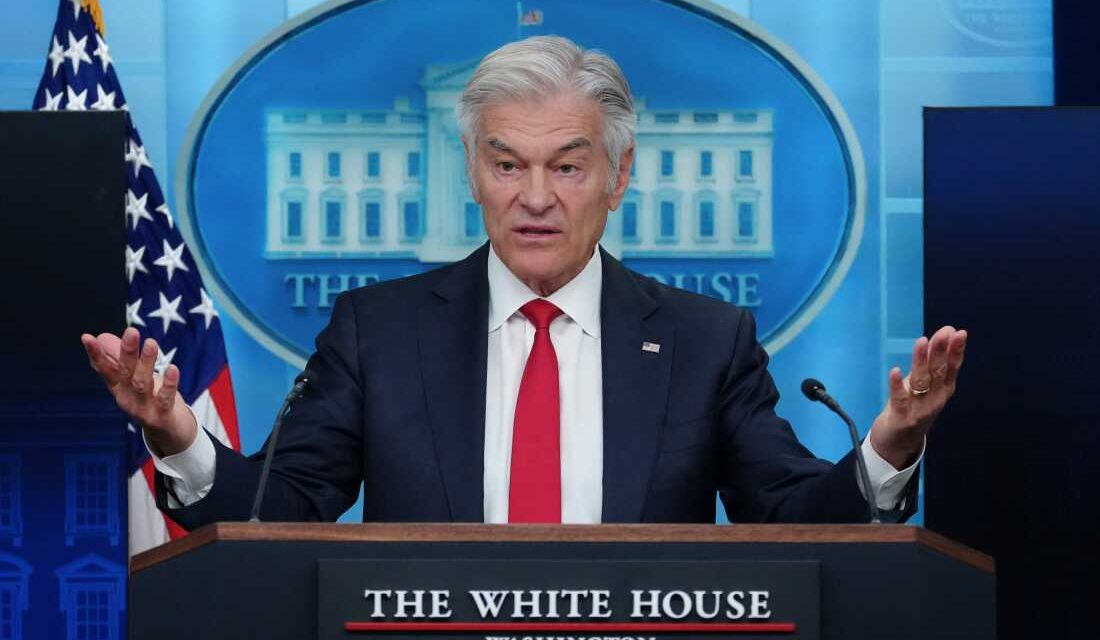
Dr. Mehmet Oz, leading the Centers for Medicare and Medicaid Services, outlined new Medicaid work rules at a White House briefing. These rules could impact those with serious illnesses, such as cancer and HIV. The requirements must be implemented by states by January 1. Adrianna McIntyre from Harvard T.H. Chan School of Public Health highlighted the tight timeline for states, stating, “It takes states months or years to make necessary system changes.”
Medicaid provides health coverage to 68 million low-income Americans, jointly funded by state and federal governments. Changes require thorough testing to ensure system stability. The rule issued on Monday adds complexity. Federal guidance previously indicated exemptions for individuals with critical health conditions requiring continuous insurance. However, McIntyre notes the rule requires the condition to interfere with the ability to work. This means individuals with manageable conditions that allow them to work, like early-stage cancer or HIV, may not qualify for exemptions.
Failure to correctly complete paperwork can lead to coverage loss, jeopardizing essential treatments. The policy, described as “a path to prosperity,” aims to encourage workforce participation. Dr. Oz emphasized returning able-bodied Medicaid recipients to work due to statistics indicating substantial leisure time. A conservative organization aligned with the Trump administration supports the rule for balancing program integrity with needed accommodations.
Approved within a budget bill signed by President Trump, the policies reflect significant Medicaid funding cuts, partially financing tax cuts and immigration initiatives. The Congressional Budget Office (CBO) predicts the work rules will contribute to substantial Medicaid coverage reductions, affecting many among the five million expected to lose insurance.
The work requirements apply in over 40 states that expanded Medicaid under the Affordable Care Act, obligating adults to prove involvement in work, education, or volunteer activities for at least 80 hours monthly or claim an exemption. The Kaiser Family Foundation found most Medicaid recipients already employed, yet a significant portion below the required threshold face employment barriers.
Medical groups and advocates express concern over the rule’s impact on healthcare access. A coalition of 48 patient organizations criticized the lack of protections for those with severe conditions, predicting widespread coverage losses. Carl Schmid of the HIV + Hepatitis Policy Institute vehemently opposes the absence of a blanket exemption for HIV patients, viewing this as a dire threat warranting further advocacy and potential legal action.
The American Academy of Pediatrics also urged revisions, emphasizing the policy’s detrimental effects on family health and financial stability. The left-leaning Center on Budget and Policy Priorities’ analyst Jennifer Wagner noted the lack of job support funding typical in similar public programs. She warns of potential chaos from the intricate rules, suggesting more eligible individuals may lose coverage due to procedural challenges.
Some Republican-led states plan to implement the requirements earlier, but most will begin by January 1.
 Judge Overturns Trump-Era Immigration Policies
  Trump Aims to Reduce National Intelligence Office Size
  California Primary Election 2026: Key Races and Emerging Results
  Xavier Becerra Advances in California Governor Race
  Trump Criticizes Senator Tillis Amid Nomination Discussions
  Clarity Sought on U.S. Troop Levels in Europe Amid Policy Changes