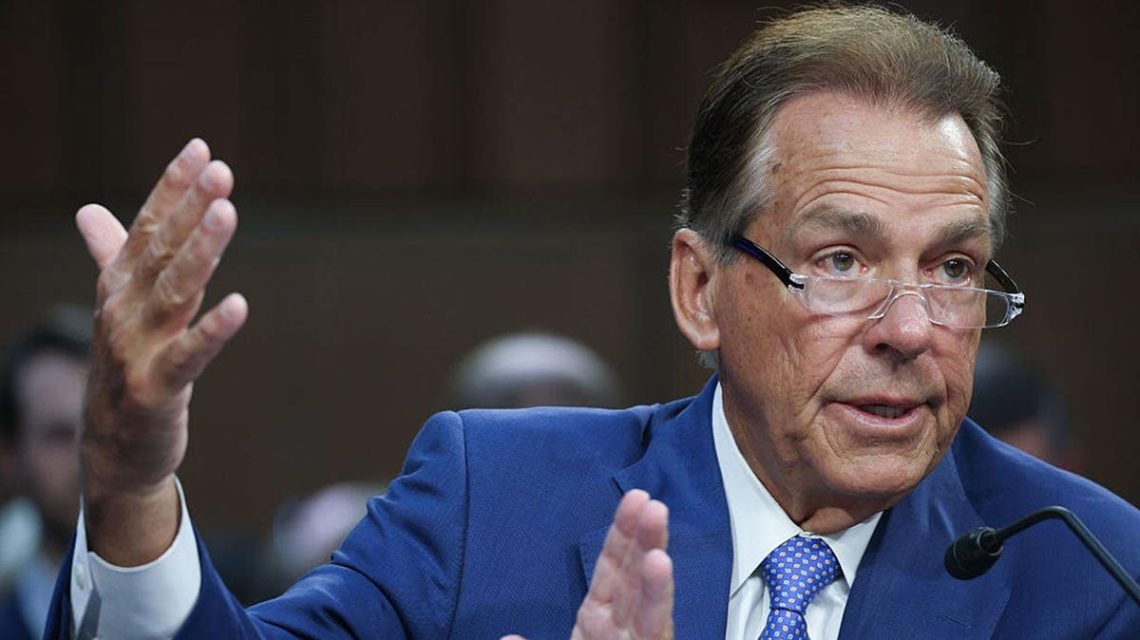
The evolving world of college sports is gathering significant attention due to issues surrounding name, image, and likeness (NIL) deals, and the transfer portal. Randy Levine, New York Yankees President and Vice Chair of the ‘Saving College Sports’ Board, discusses these challenges with Brian Kilmeade. The NIL arrangements, transfer dynamics, and athlete eligibility are becoming increasingly complex, impacting student-athletes and university finances. Efforts are underway to address these problems through legislative means, with hopes for a bipartisan solution.
Former Alabama Crimson Tide head coach Nick Saban recently addressed Congress, sharing his concerns about these matters. Saban focuses on the impact of the transfer portal and financial investments in college football, highlighting the imbalance these factors create. He points out that the competitive landscape could shift if money becomes the primary driver for recruiting top players, potentially eroding the essence of college athletics.
Pete Bevacqua, Athletic Director for Notre Dame, echoes similar sentiments. He warns against turning college football into a mini-NFL, where a few schools dominate due to their financial capabilities. This trend may result in a small number of institutions forming a super league, which he argues is detrimental to the sport.
Despite concerns, historical patterns in college football challenge the idea that these changes are unprecedented. Nearly all national championships since 2000 have been won by major programs like Alabama, Ohio State, and Georgia. Smaller programs rarely clinch titles, with Indiana’s recent victory being an anomaly.
NIL can also act as an equalizer. Schools like Indiana and Texas Tech are now attracting top talent due to NIL opportunities, breaking the traditional hold of major programs. While not all teams have the financial muscle to compete at the highest NIL budgets, unpredictable outcomes remain possible.
Ultimately, while the past is often romanticized, the current changes in college football present both challenges and opportunities. While some adjustments are necessary, the dream that smaller schools could frequently win national titles remains distant. Nonetheless, the idea of donor contributions improving a program’s prospects is not new, with examples like Oregon reflecting this trend long before NIL.
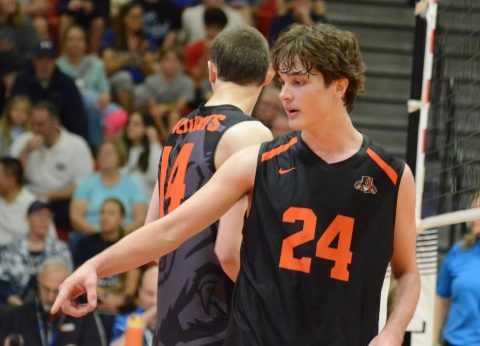 Mundelein Advances to State Championship Game
 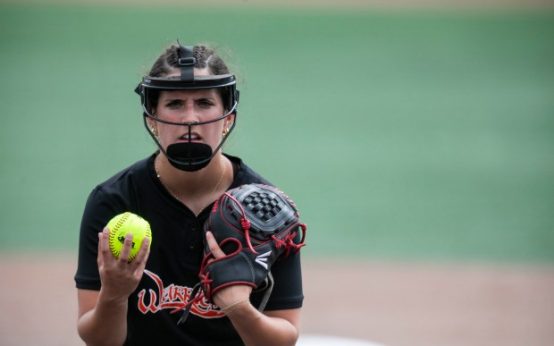 Lincoln-Way West Advances to State Final with a Key Victory
 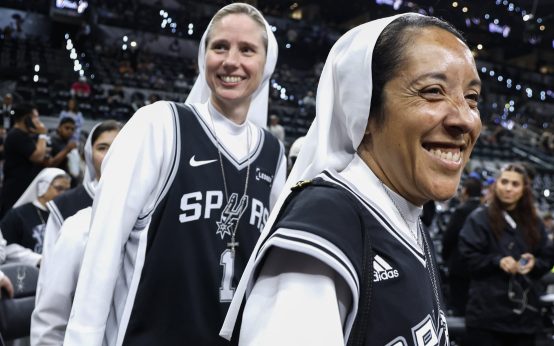 Knicks Lead Spurs As Fourth Quarter Begins: A Playoff Showdown
 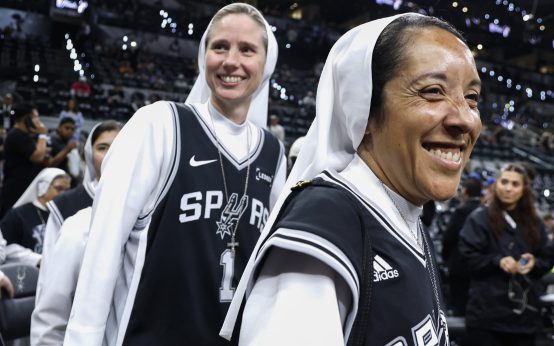 Knicks Maintain Lead With Strong Third Quarter Play
  Knicks Secure Series Lead in NBA Finals Opener
 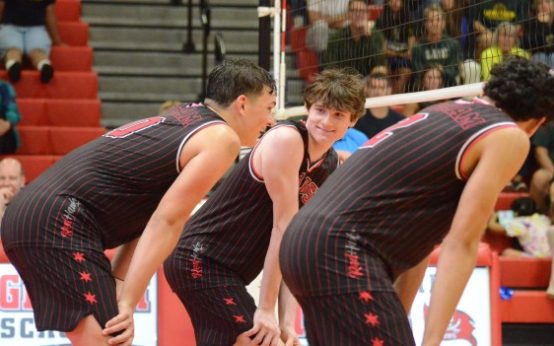 Forbes Fuels Marist’s Volleyball Journey