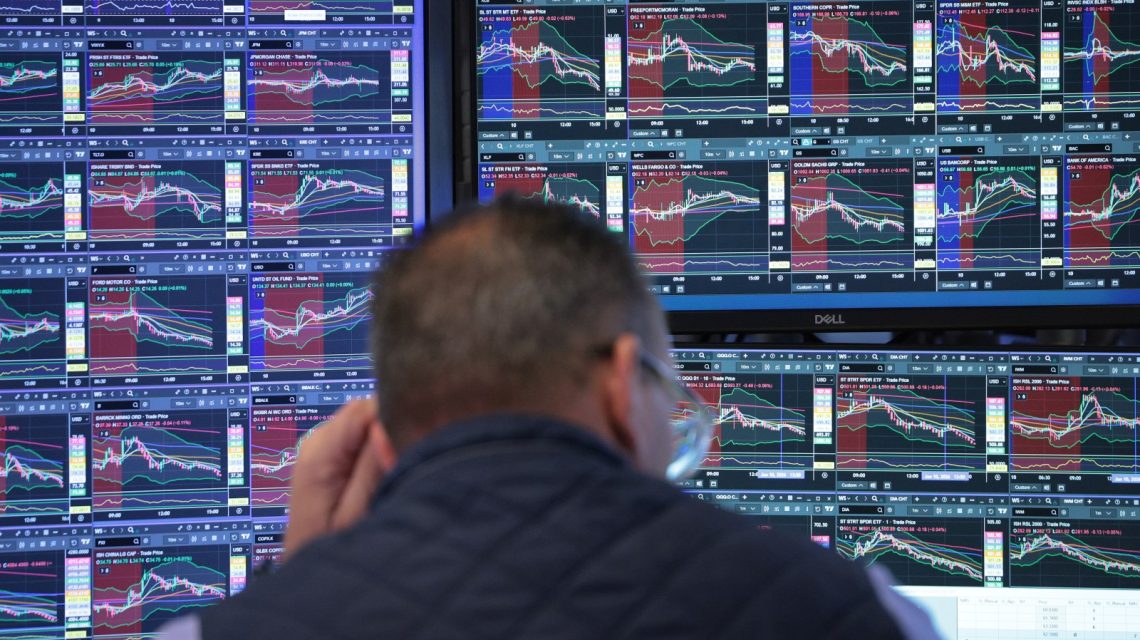
Intensified Fighting and Economic Implications
The United States and Iran are locked in a continuing conflict, with President Donald Trump insisting that Iran “will have to pay the price” for protracted negotiations on ending the nearly four-month-long war. The U.S. naval blockade is significantly harming Iran’s economy. However, the consequences also affect global consumers, particularly in the United States.
Rising Consumer Prices
Recent data highlights this impact. The Consumer Price Index, released on Wednesday, shows a 4.2% rise in inflation in May compared to the previous year. It’s the highest increase in three years. Over the past 12 months, energy prices surged by 20.3% and gasoline prices by 40.5%. Such figures raise concerns that prolonged Middle East tensions might exacerbate inflation and hinder economic growth in a period where consumers are already dealing with escalating costs.
“The economic fallout of the Iran war is becoming increasingly burdensome for U.S. consumers,” Mark Zandi, chief economist at Moody’s Analytics, stated to Newsweek. “The typical American household has had to spend $510 more due to the war, covering heightened costs for fuel including gasoline, diesel, and jet fuel.”
An Unequal Distribution of Burden
These statistics challenge the Trump administration’s claims of providing tax relief to U.S. citizens. In a February State of the Union speech, Trump cited tax reforms aimed at aiding workers, noting lower fuel costs as a sign of economic improvement. Although some progress occurred, the Middle East situation undermines these efforts, hitting specific demographics harder.
“The personal tax reductions this year have only raised the typical refund by less than $350,” Zandi explained. “This financial strain is most burdensome on low and middle-income Americans, who dedicate a more substantial portion of their budget to energy than wealthier individuals.”
The increasing costs due to the conflict are diminishing the purchasing ability of consumers. “Economic aggregates obscure expanding inequality; inflation is a regressive tax and it disproportionately impacts those least able to afford it,” KPMG U.S. chief economist Diane Swonk observed in an interview with Newsweek.
She pointed out that while high-income households maintain or even increase their spending due to investments and wage growth, many lower-income groups struggle with rising expenses. “The economy appears better on paper than it does to most Americans,” she commented.
Continual Economic Challenges
The U.S.-Iran conflict is merely the latest in a series of shocks testing the resilience of the U.S. economy. Previous major disturbances included the COVID-19 pandemic and Russia’s 2022 incursion into Ukraine. This ongoing crisis has further disrupted oil and gas markets. The impact extends across sectors, from energy-driven AI industry growth to agricultural sectors facing higher costs. Fears persist that markets may remain unstable.
“To think of these shocks as fleeting and self-resolving ignores the past five years’ experiences,” Swonk said. “We’re already seeing inflation normalize, taking a life of its own.”
Responding to Economic Signals
Despite the pressure, Trump seems indifferent to economic indicators. In the Oval Office on Wednesday, he claimed, “I love the inflation,” asserting secret U.S. oil withdrawals from the Strait of Hormuz would lead to falling inflation once the conflict ends.
The intertwining of war, markets, and consumer prices is clear. Betsey Stevenson, a University of Michigan professor and former chief economist to the Department of Labor, highlighted the correlation between gasoline prices rising by 21% and energy by 11% since the conflict began. While increases leveled off in April and May, she emphasized the importance of focusing beyond headline figures. “The monthly rate isn’t climbing; it’s the 12-month average,” Stevenson clarified.
Core inflation, excluding food and energy, was lower in May than April, showing businesses’ hesitation to fully transfer costs to consumers. Future inflation will rely on the continued status of oil supplies amid conflict.
Learnings from Historical Oil Shocks
Americans have past experiences with oil shocks, notably during the 1970s. Two significant evolutions have changed the current landscape. Ryan Nunn, director of research for Yale University’s Budget Lab, noted a shift in energy efficiency and the impact of fracking on U.S. oil production.
“America uses less oil per economic output dollar now,” Nunn explained, “and fracking has increased domestic oil production.” These changes mean current oil shocks result in a smaller macroeconomic impact, less than half a percentage point GDP growth after a year.
Nonetheless, “the oil price shock continues,” affecting any consumer at the pump.
Protracted Conflict Consequences
The ongoing nature of the shock means continued and intensified consequences. “Prolonged conflicts have larger economic effects,” Nunn elaborated. He mentioned potential Federal Reserve actions to control prices, which could mitigate inflation but hinder economic activity.
Michael Pearce, chief economist at Yale University’s Budget Lab, indicated an adjusted forecast for U.S. GDP growth, reduced earlier this year from 2.8% to 2.1%. He mentioned assumptions of a U.S.-Iran deal and restored Strait of Hormuz traffic contributing to these predictions.
“In a prolonged scenario, pushing shipping resumption to 2027, oil prices might hit $150. In such a case, U.S. consumers would face increased strain, exacerbated supply chain issues, and economic growth would slow,” Pearce detailed to Newsweek.
Although recession is not imminent, Pearce concluded, “The economy would grow more slowly in such an environment.”
 Capitol Hill Reaction to Trump’s Iran Peace Deal
  Trump’s Recent Diplomatic Moves and Headlines
  European Populist Leaders Distance Themselves from Trump
 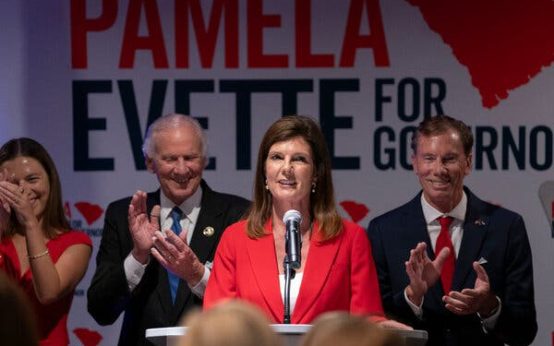 Trump’s Dual Endorsement in South Carolina Governor’s Race
  Uncertain Support in Texas Senate Race: Crockett’s Stance
  Trump’s Dual Endorsement in South Carolina Runoff