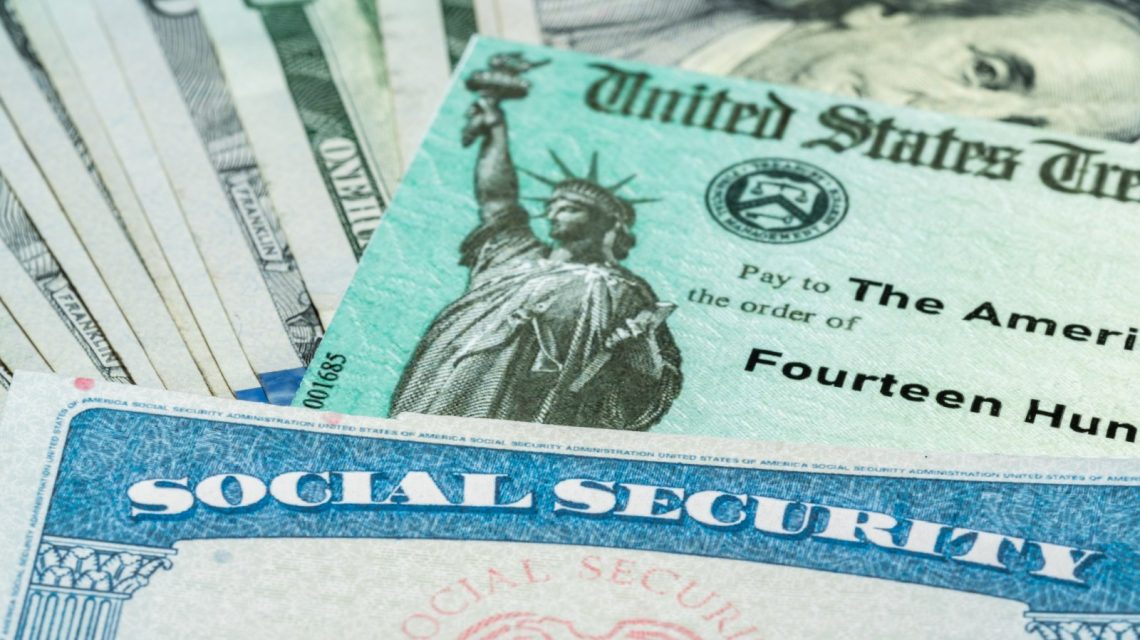
The federal government is fully transitioning Social Security recipients to electronic payments, ending paper disbursements. By September 30, 2025, this shift will affect Social Security benefits, Supplemental Security Income (SSI), Social Security Disability Insurance (SSDI), tax refunds, and other federal payments.
The Upcoming Changes
An executive order signed by President Donald Trump mandates that federal agencies, including the Social Security Administration (SSA), move towards electronic payment systems. This decision aims to modernize payment methods and address fraud and delivery concerns.
Currently, paper-check recipients must act to prepare for the transition. Most beneficiaries use electronic payments already, so the change will impact only those who still depend on paper checks.
Reasons for the Transition
The change comes from Executive Order 14247, promoting electronic payment systems wherever possible. The SSA emphasizes that electronic methods such as direct deposit, prepaid cards, digital wallets, and real-time payment systems will replace paper checks.
According to the Trump administration, maintaining paper-payment systems is costly and less secure. In fiscal year 2024, over $657 million was spent on processing paper records and payments. Electronic transfers offer increased efficiency, reduced costs, and enhanced security.
Data shows that paper checks are 16 times more susceptible to being lost, stolen, or altered compared to electronic payments. It costs $3.07 to print and mail a paper check versus a fraction of that for electronic transfers.
Implications for Beneficiaries
The SSA aims for a smooth transition, ensuring compliance for seniors, people with disabilities, and those lacking traditional bank accounts. Beneficiaries are encouraged to switch promptly to avoid payment disruptions.
Exemptions and Special Cases
While electronic payments become standard, exemptions exist. Individuals without banking services may qualify for waivers. The Treasury Department may offer additional exceptions in emergencies, law-enforcement, national security, or other approved circumstances.
Challenges such as remote locations, mental health issues, or lack of financial institution access may also justify requesting exceptions.
Steps to Change Payments
The SSA advises paper-check recipients to enroll in direct deposit through their My Social Security account. Banks and credit unions can facilitate this process for customers.
For those without a bank account, benefits can be delivered via a Direct Express prepaid debit card. Timely switching ensures uninterrupted benefits.
Overall, this transition seeks cost reduction, fraud prevention, and greater payment security, impacting Social Security recipients nationwide.
 Joe Biden and the Inaccurate Amtrak Anecdote
  Partisan Divide in America’s 250th Anniversary Celebrations
  Trump Administration Seeks Appeal in Vaccine Panel Ruling
  Montana Senate Race: Democratic Rift Gives Republicans an Edge
  Alaska Elections Director Removes One Dan Sullivan from Senate Ballot
  Lawmakers Warn Trump Administration on Arch Project