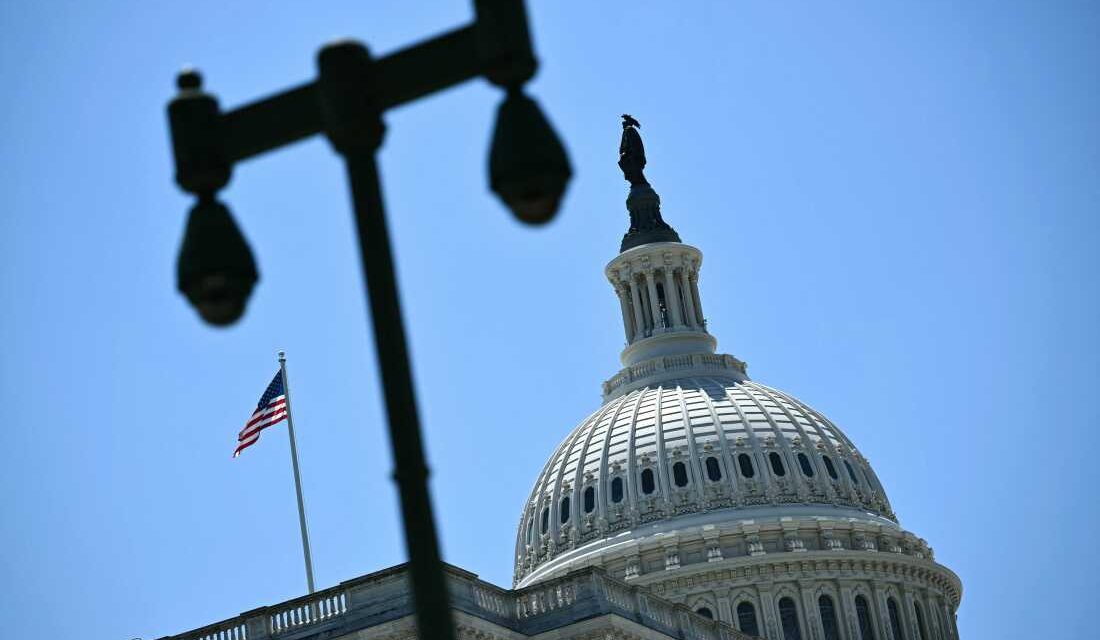
The U.S. Capitol dome stood as a backdrop to a significant moment on June 4, 2026, as efforts to renew a critical surveillance tool in Congress faltered. The House of Representatives left Washington, D.C. for a scheduled recess, leaving a vital component of the Foreign Intelligence Surveillance Act (FISA), Section 702, on the verge of expiring.
Impact of Expiration
Section 702 is pivotal for American intelligence agencies, facilitating the collection of electronic communications from foreigners outside the U.S. More than 60% of the president’s daily intelligence briefing relies on data collected through this provision. While the lapse of the law might seem concerning, the intelligence collection can continue under existing authorizations from a federal court.
Companies providing electronic communication services remain required to deliver the necessary data to intelligence agencies despite the provision’s expiration. However, there are concerns some may challenge this in court, potentially interrupting the data flow even as significant events like America’s 250th celebration and the World Cup approach.
“I don’t want to overhype and say the statute’s lapse is a horrific risk,” said Glenn Gerstell, former NSA General Counsel, acknowledging manageable risks.
Legal and Compliance Challenges
Elizabeth Goitein, from the Brennan Center’s Liberty and National Security Program, emphasized that the law mandates companies to comply with government collection requests, with a failure to do so incurring substantial fines. The FISA court is tasked with resolving challenges within 30 days, relying on established case law to expedite decisions.
Goitein’s stance highlights that while security risks of a lapse are limited, there is a recognized need for privacy and civil liberties reforms.
Congressional Support and Resistance
Section 702 has faced controversy each time it nears renewal, with bipartisan calls for reform. The program’s surveillance on foreign targets often inadvertently captures data from Americans, raising privacy issues. These concerns have led to demands for a warrant requirement before law enforcement can access Americans’ data gathered under the act.
Attempts to renew the law included short-term extensions while negotiations continued, pointing toward a possible three-year extension with moderate reforms, yet excluding the warrant requirement.
Recent Political Developments
The situation was complicated by President Trump’s nomination of Bill Pulte as acting director of national intelligence. Democrats criticized Pulte’s potential to misuse FISA information. This political turbulence affected reauthorization efforts, even as the nomination brought discomfort among Republican leaders.
House and Senate attempts to extend Section 702 failed. Amid these uncertainties, President Trump announced Jay Clayton as the permanent nominee for national intelligence director, temporarily leaving Pulte to act in the role.
 Alabama Senate Primary Runoff Elections
  Trump’s Request to Dismiss NAACP Pollution Suit Against xAI
 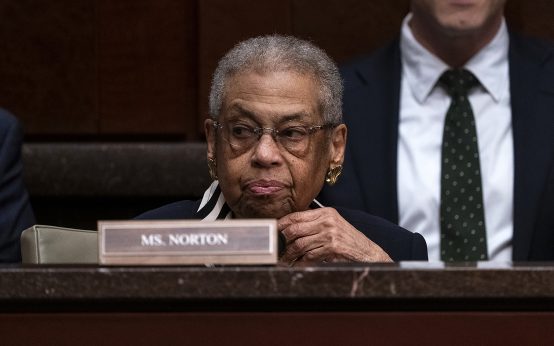 Race Begins for D.C.’s Non-Voting Seat Following Eleanor Holmes Norton’s Retirement
 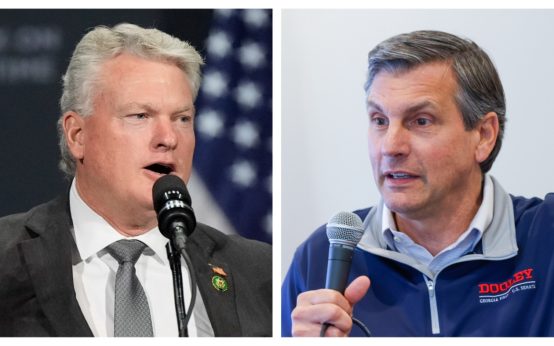 Georgia Primary Runoff: Collins vs. Dooley
  Experts Debunk Trump’s Claims About Car Insurance Premiums and Immigration
  Trump Administration Shifts Education Department Functions to Other Agencies