Many Asian American and Pacific Islander (AAPI) adults have faced disruptions due to heightened immigration policies during the Trump administration. A recent poll by AAPI Data and The Associated Press-NORC Center for Public Affairs Research reveals significant concerns within this community. About half of AAPI adults indicated they have either experienced or know someone affected by immigration detentions or deportations in the past year. The study also highlights behaviors such as carrying proof of immigration status or citizenship and altering travel plans.
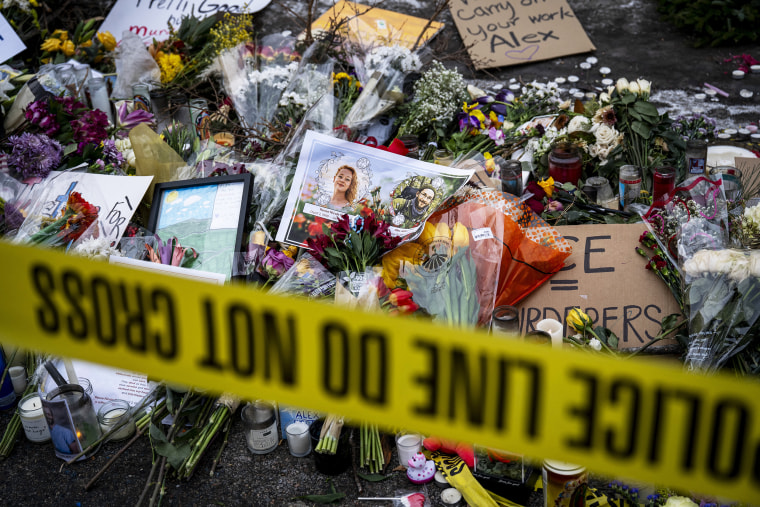
This poll emerges after a period of intense immigration enforcement, which has prompted widespread protests and resulted in fatalities, such as the shooting of two U.S. citizens in Minneapolis. The aggressive stance appears to be reshaping perceptions of the U.S. among immigrant communities. AAPI individuals, many of whom were born abroad, express that America no longer feels like the welcoming place it once was. About 60% believe the U.S. used to be favorable for immigrants, while only 30% still think it is, and 5% have always viewed it as unwelcoming.
Karthick Ramakrishnan, founder of AAPI Data, emphasizes the critical role of immigrants in America’s development. The sentiment that the country might not be the best place for immigrants anymore serves as a warning sign. This perspective is shared by AAPI individuals who value cultural diversity as central to America’s identity more than other Americans.
Among those affected by the policies are immigrants with legal status. Recent legal decisions have nullified attempts to increase visa fees and block asylum decisions for individuals from certain countries. Instances like Khoa Tran’s illustrate the uncertainties faced. Tran, a U.S. citizen originally from Vietnam, began carrying his green card and urges others to do the same, viewing it as essential identification due to the prevalent policies.
The survey highlights that South Asian adults are particularly vigilant, with many carrying documentation to avoid complications, reflecting a broader uncertainty about their status. The importance of cultural identity, especially among U.S.-born AAPI individuals, is significant. A majority stress their ancestral roots over their American identity.
For example, Abigail Jeyaraj from Massachusetts, of Indian descent, values her heritage deeply. Although born in the U.S., her identity as South Asian American remains crucial. Similarly, Soonho Kwon from California, originally from Korea, notes the complexity of identity despite being a naturalized citizen.
As America approaches its 250th anniversary, many AAPI adults view cultural diversity as vital to national identity, more so than the general U.S. population. This perspective is mixed with ambivalence toward celebrations due to ongoing immigration and diversity challenges.
The survey of 1,075 AAPI adults conducted in April reflects a population often underrepresented in national discourse due to sample size and language barriers. It has a margin of error of 4.4 percentage points and is part of efforts to better understand the views of Asian Americans, Native Hawaiians, and Pacific Islanders.
 D.C. Mayoral Race: Janeese Lewis George’s Rising Momentum and The Trump Factor
  Georgia GOP Runoff Sees Trump’s Influence Tested
  Mitch McConnell’s Ongoing Health Challenges: A Comprehensive Overview
  Democracy’s Stand: A Call to Action
  Florida Grandfather’s Asylum Case Highlights Immigration Challenges
  Alabama Public Service Commission and the Debate Over Solar Power