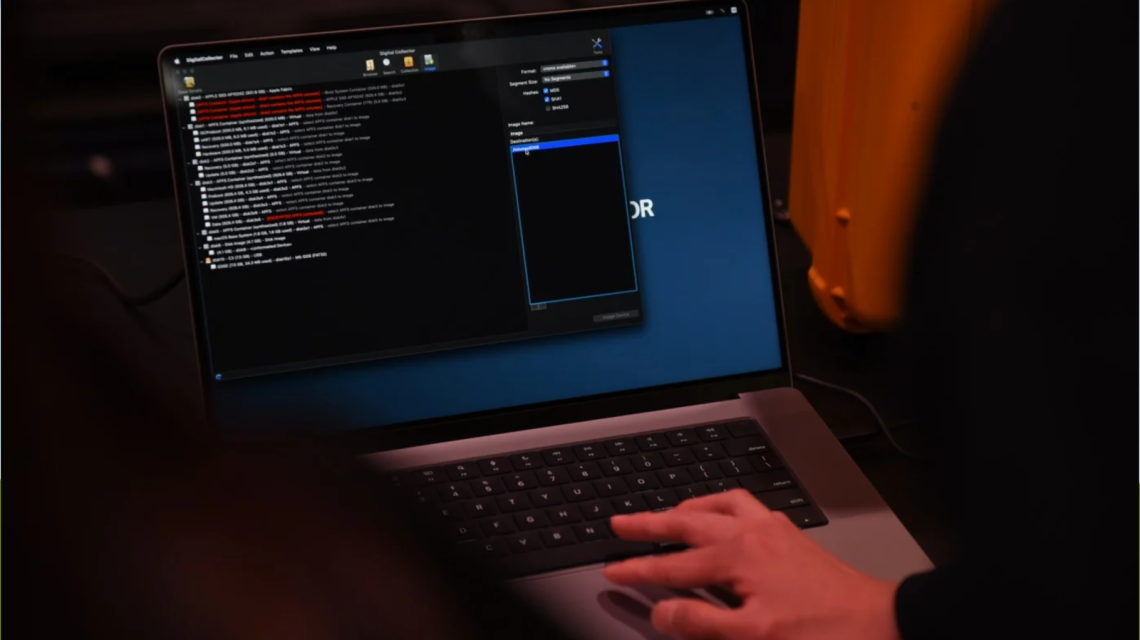
The FBI has developed a realistic American town within a secure facility in Alabama to train agents for handling major cyberattacks. This initiative highlights the increasing concern over cyberattacks resulting in real-world impacts. Such incidents can disrupt hospitals, fuel supplies, and public services, requiring investigators to manage both digital systems and physical settings during emergencies.
Why the FBI Created a Fake Town
Kentown Cyber Range, a 22,000-square-foot facility on the FBI’s Huntsville, Alabama campus, is built to resemble a small American community, complete with homes, businesses, and infrastructure like healthcare facilities and energy systems.
Every building connects to functioning networks and devices, simulating real-world operational systems. The town also includes a data center with over 200 servers running both Windows and Linux, mimicking corporate IT environments.
Training for Cyberattacks with Real World Impact
The FBI aims to evolve cyber training from theoretical exercises to realistic, high-pressure situations. Historically, cyber investigators used simulated data at workstations, but the shift towards practical training reflects the increasing disruption caused by cyberattacks.
The Kinetic Cyber Range offers hands-on training through exercises including:
- Responding to ransomware attacks
- Handling breaches in corporate networks
- Gathering and analyzing digital evidence in real-world settings
- Making rapid decisions during investigations
One exercise involves a ransomware attack on a hospital, challenging investigators to balance technical responses against patient care needs.
“This is about as real as it’s going to get before people go out in the field,” said Dave Beachboard, the cyber range program manager.
Growing Cybercrime Necessitates Training Shift
The creation of such a complex facility mirrors the surge in cyber threats. FBI data shows U.S. cybercrime losses hit over $20 billion by 2025, marking a 26 percent increase from the prior year. Ransomware remains a predominant threat against critical infrastructure.
This escalating threat level has pushed law enforcement to focus on immersive training.
Inside the Training Range
The training simulates real investigations closely. Agents may:
- Enter a mock home and decide which devices to seize
- Serve search warrants at businesses and analyze networks
- Extract data from vehicles or servers
- Operate in data centers resembling real corporate environments
Beachboard describes some environments as uncomfortable to mimic real conditions, like the data center being “cold, cramped, noisy, dark, and miserable.”
Support and Privacy Concerns
Since its February 2025 opening, over 1,400 students, including FBI personnel and partners, have trained at the range. The FBI views the facility as essential for preparing for cyberthreats that manifest in the physical world.
However, TechCrunch notes that critics highlight concerns around data extraction tools used during training. These tools exploit undisclosed device vulnerabilities, presenting a risk if discovered by malicious actors.
The Bigger Picture
The FBI’s fake town represents a broader shift in governmental response to cyber threats, which are no longer seen solely as digital issues but as disruptions of essential services and daily life. By crafting an operational community within a controlled setting, the FBI seeks to equip investigators for attacks impacting both data and the physical world.
 Beware of Text Job Scams: Protect Yourself from Financial Fraud
  Floating Data Centers at Sea: A Startup’s Vision
  SpaceX’s Historic IPO and Market Surge
  Roblox’s Commitment to Safety Amidst Controversial Changes
  The Urgent Need for AI Regulation Amid Rapid Advancements
  AI-Driven Docudrama ‘Dreams of Violets’ Debuts at Tribeca Festival