
Funding Promises and Challenges
President Donald Trump has consistently assured Americans that his proposed White House ballroom project would be financed through private donations. Despite these promises, internal contractor estimates revealed by The Washington Post suggested that taxpayers might account for half of the project’s $600 million cost.
Over time, Trump suggested security enhancements to the ballroom could come from the Secret Service and the military, but did not provide specific funding details.
Timeline of Promises and Developments
June 6, 2025: Trump announced on Truth Social that he had inspected the construction site for a new ballroom, describing it as a gift from himself.
July 31, 2025: The White House formally announced the ballroom project, estimating a $200 million cost, with commitments from Trump and other donors to cover the expenses. Security enhancements were to be provided by the Secret Service.
October 20, 2025: An unexpected demolition of the East Wing began, contrasting with previous assurances that it would not be affected.
December 16, 2025: Trump stated at a Hanukkah reception that the project’s cost had risen to $400 million, but maintained the funding would come from private donors.
Legal and Congressional Involvements
In February 2026, U.S. District Judge Richard Leon allowed construction to continue despite a lawsuit aiming to halt it.
March 31, 2026: Judge Leon reversed his decision, ruling Trump lacked authority to initiate construction without congressional approval.
April 16, 2026: Leon reaffirmed his decision to halt construction, leading Trump to criticize the ruling via social media.
May 19, 2026: Trump toured the construction site as Congress discussed a $1 billion security funding proposal, which included improvements to the ballroom. He emphasized that these funds were for security, not the ballroom itself.
Public Reaction and Impact
Trump’s assertion that no taxpayer dollars would be used for the ballroom was questioned as internal estimates revealed significant public funding involvement.
The project sparked discussions in Congress and among the public regarding the proper use of federal funds and oversight in government projects.
The continued construction brought attention to the intertwined issues of transparency, financial responsibility, and national security.
 Trump’s Request to Dismiss NAACP Pollution Suit Against xAI
 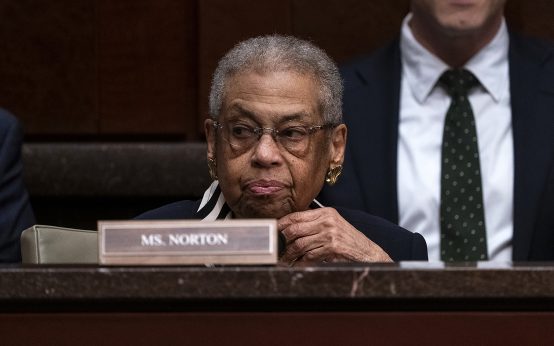 Race Begins for D.C.’s Non-Voting Seat Following Eleanor Holmes Norton’s Retirement
 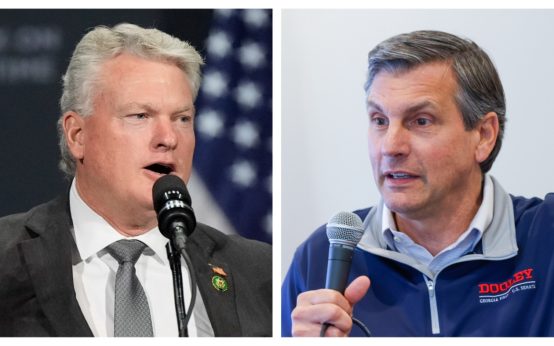 Georgia Primary Runoff: Collins vs. Dooley
  Experts Debunk Trump’s Claims About Car Insurance Premiums and Immigration
 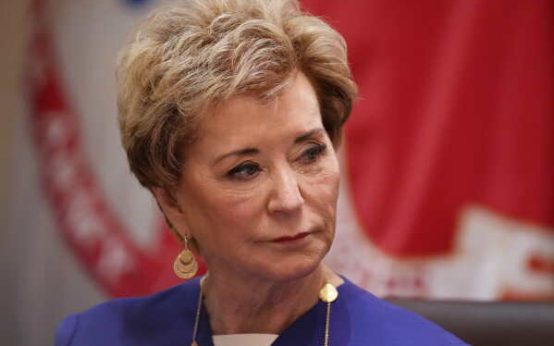 Trump Administration Shifts Education Department Functions to Other Agencies
 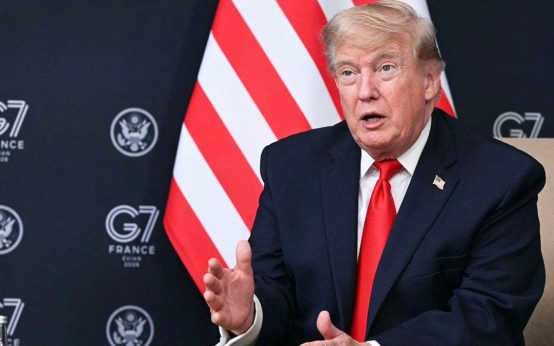 Senate Republicans Block Resolution on Trump’s War Authority in Iran