
The agreement between the United States and Iran aims to pause nearly four months of fighting. This conflict has resulted in thousands of casualties and significant increases in global energy prices. While there is cautious optimism, some experts doubt the framework’s longevity during the upcoming negotiations.
Challenges Facing the Agreement
Despite hopes for a peaceful resolution, the deal’s survival is uncertain over the next 60 days. The terms remain unreleased, leading to possible differing interpretations by both sides. Such discrepancies could create significant hurdles in finalizing the agreement.
Why the Agreement Might Fail
There are critical issues that could derail the agreement. Key negotiators may face pressure from domestic or international stakeholders to maintain hardline positions. Additionally, unaddressed concerns in the preliminary deal could lead to disagreements during talks.
Prospects for Success
Despite potential challenges, there are reasons to hope for success. Both parties have an interest in stabilizing the region and addressing global economic concerns. If mutual benefits align, negotiators might prioritize reaching a consensus on contentious issues.
This framework serves as a pivotal moment in addressing the hostilities. By carefully navigating these negotiations and addressing each party’s core interests, there could be a path toward sustainable peace.
 Norway Triumphs Over Iraq with Haaland’s Double Strikes
  Messi Shines Bright in World Cup Opener Against Algeria
  ICE Relocates Detainees from Alligator Alcatraz Due to Hurricane Season
 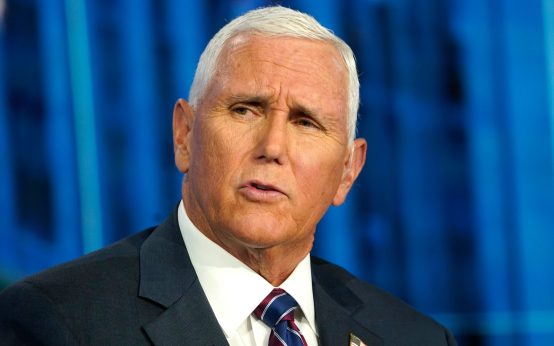 Pence Criticizes U.S. Concessions to Iran
  China’s New Financial Restrictions on Global Market Engagement
  Lionel Messi Shines at World Cup, Ties Record for All-Time Top Scorer