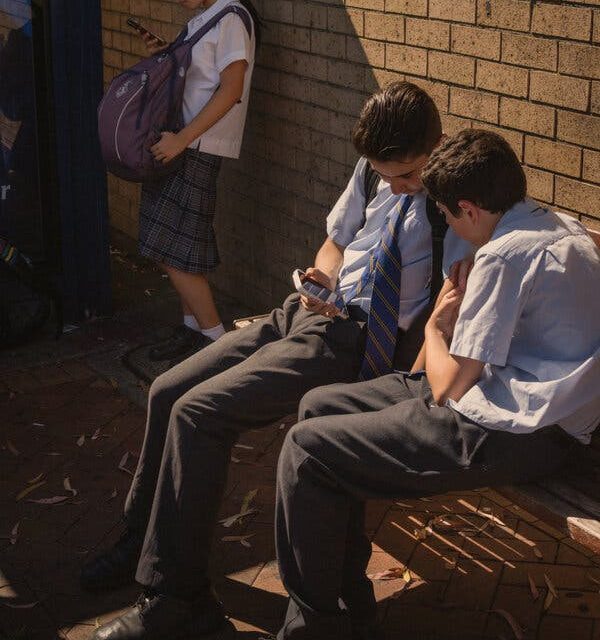
Parents often struggle with managing their children’s use of social media. In many households, the challenge is constant, especially when young ones seem glued to screens. Recently, Australia introduced a social media ban for users under 16. This move had parents like me, a mother of three, hopeful. I even started a ‘Take Back Control’ WhatsApp group, rallying other parents to enforce a similar ban on our children.
The outcome of my efforts was disappointing. Similarly, Australia’s broader ban has encountered hurdles. Across the globe, there is growing concern about how social media affects children. Countries like Britain and Canada are considering implementing their own restrictions. However, questions about the effectiveness of such measures are rising.
Australia’s Efforts Fall Short
In the past six months, Australia’s government has faced the reality known to many parents. Teens are adept at circumventing rules, especially when they desire something intensely. Last December, Australia took a pioneering step by banning children under 16 from some popular social media platforms. This decision caught the attention of governments, researchers, and concerned parents worldwide.
The effects of social media on the developing brains of young people have become a significant global concern. Many parents and educators worry about how platforms impact mental health and development. Watching Australia’s approach closely, other countries contemplate similar bans.
Image: Waiting for a bus in Sydney, Australia. Credit: Matthew Abbott for The New York Times
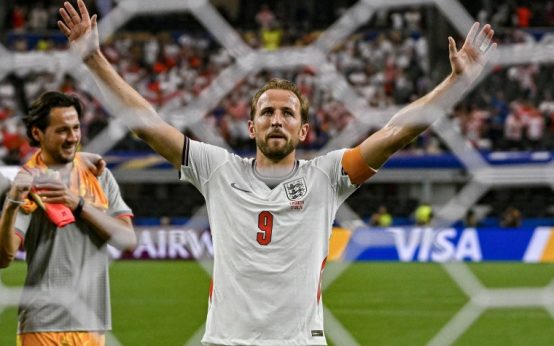 England Secures Victory Over Croatia with Kane’s Record-Equalling Performance
  Africa Beats Africa: How Diaspora Talent Helps Define the World Cup
  U.S. Defends Detention of Colombian Activist; Colombia’s President Calls It Political
 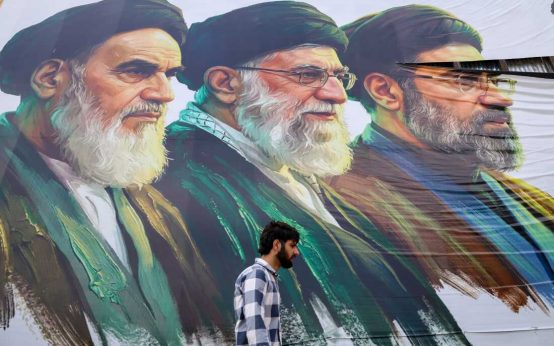 Economic and Political Impact of the Iran Conflict
  Colombian Military Neutralizes Militant Group Members After Bus Bombing
 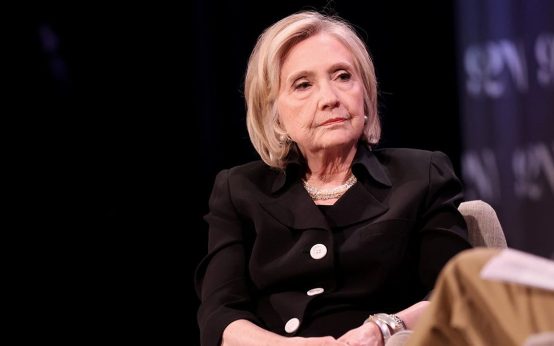 Hillary Clinton Acknowledges Trump’s Gaza Peace Plan