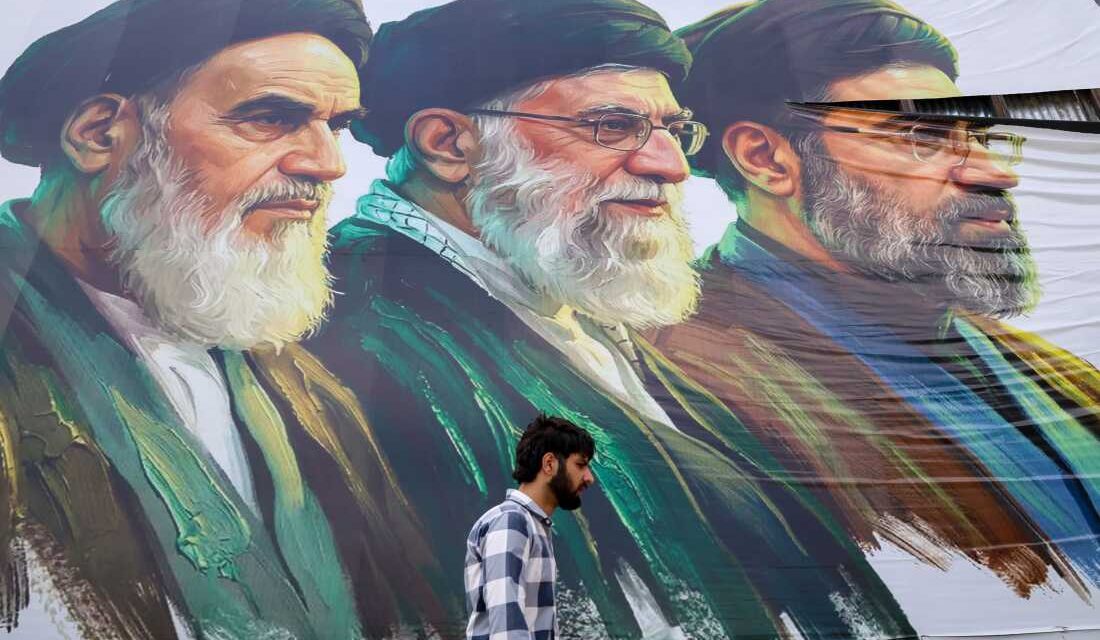
A man walks past a billboard featuring the portraits of Iran’s leaders in Srinagar, Jammu and Kashmir. This image reflects the aftermath of the Iran conflict, which despite a relatively brief duration, left enduring impacts. The clash involved the world’s strongest military against a strategically skilled yet weaker opponent. This resulted in the loss of 13 U.S. servicemen and over 3,300 Iranians. Additional casualties included 3,826 in Lebanon and dozens across Gulf states as reported by authorities.
Economic Consequences
The conflict caused a ripple effect on global economies. The World Bank cut its 2026 economic growth forecast to 2.5%, the lowest since the pandemic. This economic contraction, coupled with rising inflation, particularly affected Europe, and problems rippled through India due to fertilizer and cooking gas shortages. Middle Eastern economies were hardest hit, with expected GDP growth plummeting to 1.3% from an anticipated 4.5% in 2025.
The Iran-U.S. memorandum suggests a $300 billion plan for Iran’s post-war reconstruction and development.
The disruption from the war resulted in a blockade of the Strait of Hormuz, forcing Gulf oil producers to substantially cut production. Saudi Arabia managed to reroute through its East-West pipeline. Despite soaring oil prices, Aramco’s earnings increased by 26% in early 2026.
The conflict decimated regional tourism and aviation sectors. Flights from hubs like Dubai and Doha reduced significantly, and the tourism industry suffered as perceptions of safety shifted negatively. U.N. agencies report the war exacerbated global poverty and hunger.
Domestic Impact
Moody’s Analytics records the war’s cost at $132 billion for U.S. consumers and taxpayers, mainly due to near-shutdowns of vital energy routes. Gas prices at U.S. stations hit $4.56 a gallon. Elevated diesel prices also spiked transportation costs, impacting everything from merchandise to produce. Southwest Airlines saw a 27% increase in ticket prices, attributed to higher jet fuel costs.
Fertilizer cost surveys indicated a 47% price surge, with 70% of farmers unable to afford needed amounts. This raises concerns about potential impacts on food prices.
Additionally, the war contributed to a spike in mortgage rates. Freddie Mac noted that a 30-year home loan rate increased to 6.52%, elevating monthly mortgage payments by $110 on an average home purchase.
Military and Political Costs
The Pentagon’s operational cost for the conflict is estimated at $29 billion, increasing due to repair and equipment replacement costs. Facilities across Kuwait and Bahrain suffered significant damage from Iranian assaults.
Politically, President Trump’s approval ratings took a hit, with net approval falling from -15 to -22 percentage points during the conflict, as reported by The New York Times. This reflected a strain on his administration’s domestic policy themes, particularly affecting consumer sentiments around affordability amid price surges.
 U.S. Defends Detention of Colombian Activist; Colombia’s President Calls It Political
  Jackson Lahmeyer Ends Campaign Amid Controversy
  Colombian Military Neutralizes Militant Group Members After Bus Bombing
  Jackson Lahmeyer Suspends Campaign Amid Allegations
  Hillary Clinton Acknowledges Trump’s Gaza Peace Plan
  Protest Against Conservative Summit in Lincolnshire