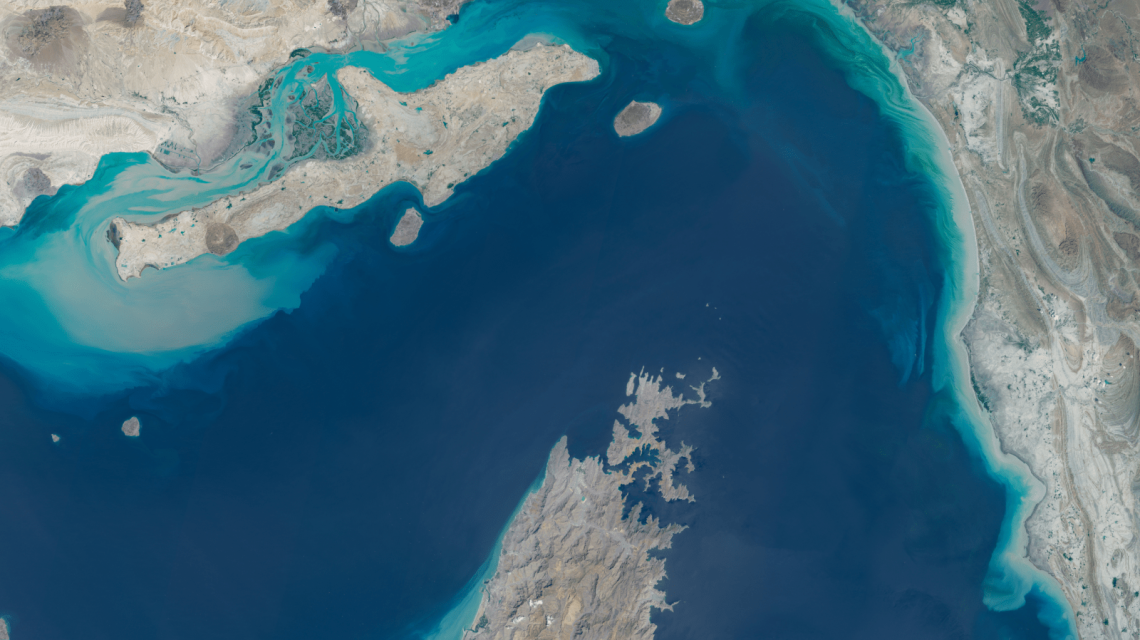
President Donald Trump announced on Truth Social that Iran will not be allowed to charge fees to ships passing through the Strait of Hormuz during or after a proposed 60-day ceasefire period. He suggested that, if negotiations fail, the United States might impose tolls as compensation for the security it provides in the region.
This assertion marks a new tension point in talks concerning the strait. The Strait of Hormuz is a crucial oil transit corridor that had operated toll-free before the conflict erupted in late February. It has now become a bargaining chip for both parties.
Importance of Hormuz
The Strait of Hormuz is one of the most significant shipping lanes globally, carrying a substantial portion of the world’s oil and gas. Previously, vessels traversed the strait without mandatory fees, adhering to common international protocols. However, the fee situation evolved following the U.S. and Israeli strikes on Iran, leading to regional conflict. Iran’s tightened maritime control disrupted traffic and illustrated the waterway’s strategic importance in military and diplomatic negotiations.
Ceasefire Agreement
Under the current ceasefire agreement, Iran has agreed not to impose fees on ships for 60 days, allowing negotiations to proceed. The dispute now centers on the post-ceasefire period. Trump insists that the strait should remain toll-free even after this window, while Iran sees the suspension as limited to the negotiation period.
Iran’s Fee System
Iran has started developing systems to support its fee position, establishing a regulatory body to manage ship movements and related payments. Officials portray these charges as fees for services like navigation assistance and security, not as formal tolls. Oman is involved in discussions about coordinating these services, given its proximity across the strait.
This stance clashes with Trump’s view, which opposes Iranian fees and keeps open the possibility of U.S.-imposed compensation should talks falter.
Challenges in Talks
Negotiators are set to meet to tackle technical aspects of a final agreement, concentrating on unresolved issues such as sanctions and security arrangements, along with the future of shipping through Hormuz.
An early challenge to the agreement has surfaced with Iran closing the strait again, claiming violations of the deal, although U.S. officials contend that traffic is still flowing. This dispute coincides with renewed conflict in Lebanon involving Israel and Iran-backed Hezbollah. Both sides accuse the other of breaching the terms of the ceasefire agreement.
The deal’s success relies on halting hostilities on multiple fronts, meaning any escalation might affect U.S.-Iran negotiations. As the ceasefire period progresses, decisions regarding the regulation of the Strait of Hormuz—and its fee structure—are crucial to the deal’s outcome, influencing regional stability and global energy markets.
 U.S. and Iran Resume Talks Amid Regional Conflicts
 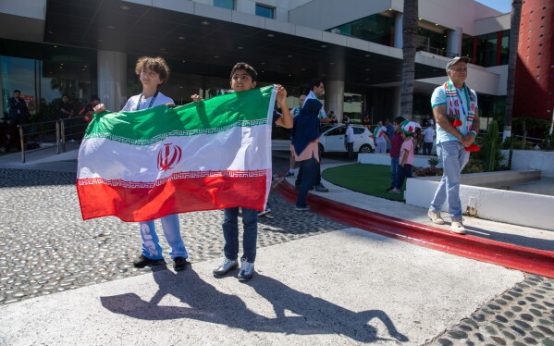 Iran World Cup Team Faces Challenges and Support in Tijuana
  Poland Revokes Honor from Ukrainian President Amid Rising Tensions
 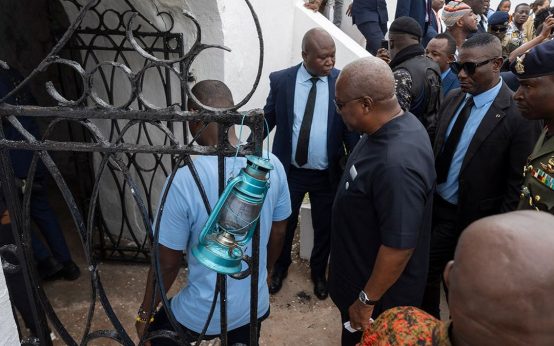 African and Caribbean Leaders Demand Reparations for Slave Trade
  Eloy Room’s Heroics Secure Curacao’s Historic Draw
 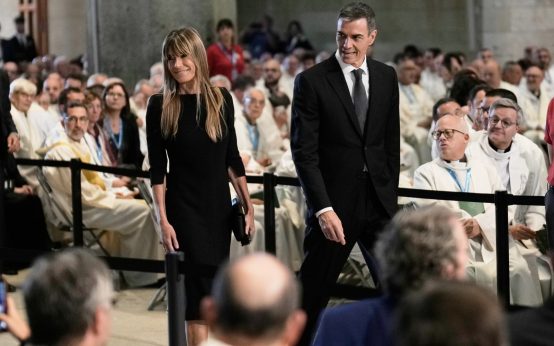 Corruption Charges Against Spanish PM’s Wife