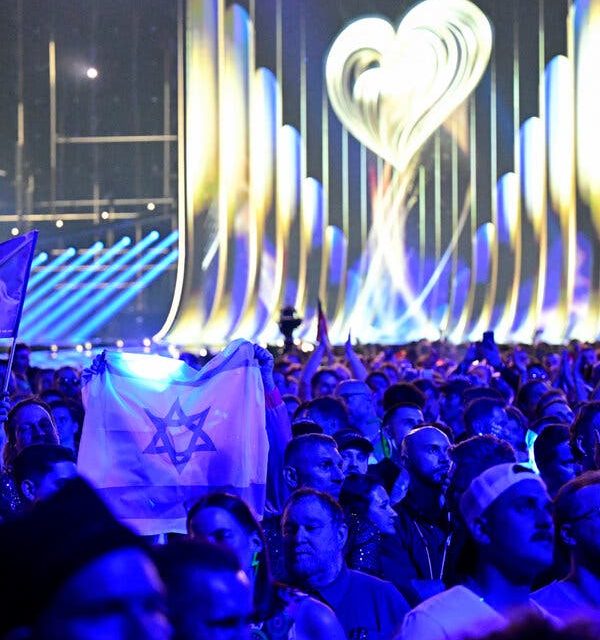
The Eurovision Song Contest is an event that captivates audiences with its vibrant mix of performances, often including cheese, pyrotechnics, and bold themes. While the contest is known for its entertaining and sometimes quirky displays, it is also intertwined with political undertones.
Historically, political actions have influenced Eurovision. In 1969, Austria chose to boycott the contest when Spain, under a dictatorship at the time, played host. More recently, in 2013, Azerbaijan faced accusations of manipulating the voting process.
The political climate in recent years has continued to impact the contest. A significant example is Russia’s ban from Eurovision following its invasion of Ukraine in 2022. That same year, Ukraine emerged victorious, showcasing how current events can resonate within the contest.
Israel’s ongoing conflict in Gaza has further stirred political tensions within Eurovision. This year, five countries have decided to boycott because of Israel’s participation, citing the ongoing war as their primary concern. Additionally, allegations have surfaced regarding an Israeli effort to sway the contest’s results, a topic explored by Alex Marshall and Mara Hvistendahl in their recent report.
The contest, despite being a celebration of music and culture, continues to reflect and be shaped by the political landscapes of its participants. As the grand final approaches, the interplay of music, performance, and global politics remains evident.
 YouTuber Shares Difficult Decision After Trisomy 21 Diagnosis
  The Changing Dynamics of Celebrity Reputation in 2026
  Robbers Sentenced for Theft of Romanian Treasures from Dutch Museum
 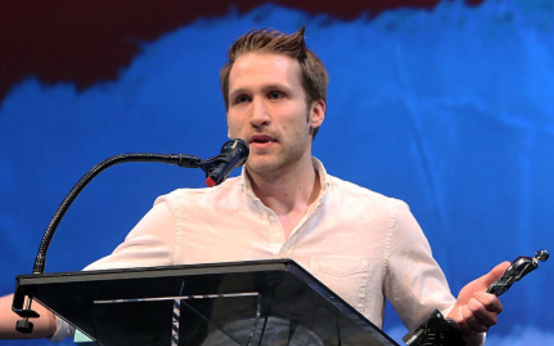 YouTuber Sparks Debate Over Abortion Rights and Down Syndrome
  Celebrate America’s 250th Birthday with Commemorative Products
 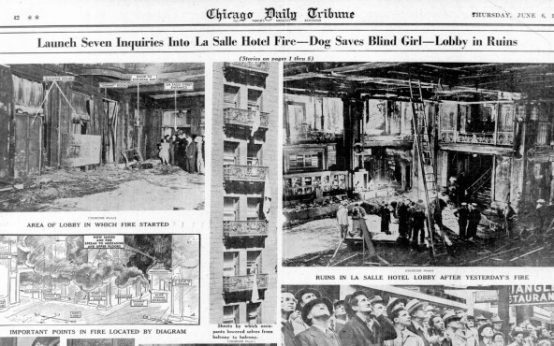 Significant Events in Chicago on June 5