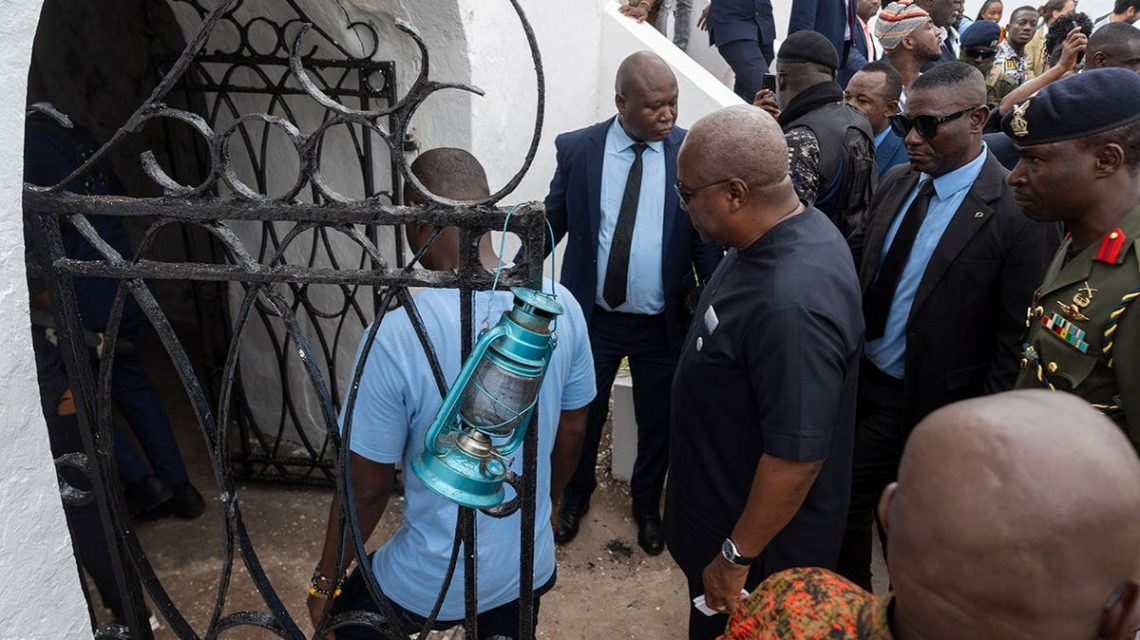
Leaders from Africa and the Caribbean are calling for financial compensation, debt relief, and formal apologies from countries that benefited from the transatlantic slave trade. This demand follows the adoption of a comprehensive reparations plan at a conference held in Ghana.
The 19-point framework includes financial compensation, debt relief, a Global Reparations Fund, and the return of cultural artifacts and ancestral remains taken during the slave trade. Additionally, it seeks reforms to global financial institutions that reportedly disadvantage Third World countries.
Organizers intend to present the proposal at the next United Nations General Assembly, marking a coordinated push by African and Caribbean nations for slavery reparations. This plan was sanctioned on Friday by the African Union and the Caribbean Community (CARICOM) Commission on Reparatory Justice as the conference concluded.
None of us gathered in this hall today can be held personally responsible for the atrocities of the transatlantic slave trade,
stated John Dramani Mahama, President of Ghana. History does not ask us to inherit guilt, but it asks us to inherit responsibility,
Mahama continued.
The proposal does not specify which countries should provide compensation or issue formal apologies. On the other hand, it requests debt cancellation, climate justice financing, widened citizenship pathways for Africans in the diaspora, and a “right of return” for descendants of enslaved Africans. It also encourages African nations to maintain former slave forts and castles as memorials.
Advocates reveal that at least 12.5 million Africans were taken and transported on European ships from the 15th to the 19th centuries. Reparations supporters contend that the legacy of slavery still affects Africa and the Caribbean today.
In March, the United Nations recognized transatlantic slavery as the “gravest crime against humanity” following a vote. The resolution received approval from 123 nations, although the U.S., Israel, and 52 others either opposed it or abstained, concerned that this might suggest some crimes against humanity are more serious than others.
The gathering included notable figures from Namibia, Liberia, Senegal, Barbados, and Sao Tome and Principe, alongside senior officials from several other countries. French President Emmanuel Macron addressed the assembly from the Élysée Palace, acknowledging the immense human cost of slavery. Macron argued that reparations should not be considered as a terminal action or simply as a financial settlement.
This conference in Ghana has unified separate reparations initiatives previously pursued by African and Caribbean countries into a singular proposal slated for presentation to the United Nations.
 Protests in Albania Address Local Concerns Amid International Attention
  U.S. and Iran Resume Talks Amid Regional Conflicts
 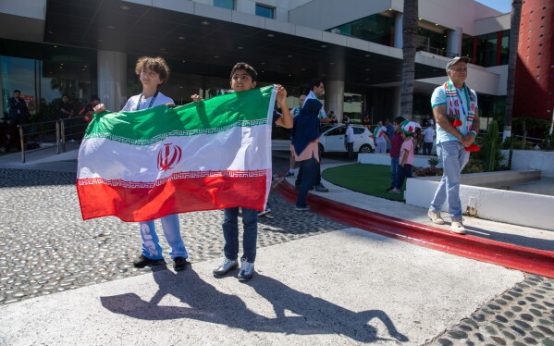 Iran World Cup Team Faces Challenges and Support in Tijuana
  Poland Revokes Honor from Ukrainian President Amid Rising Tensions
  Eloy Room’s Heroics Secure Curacao’s Historic Draw
 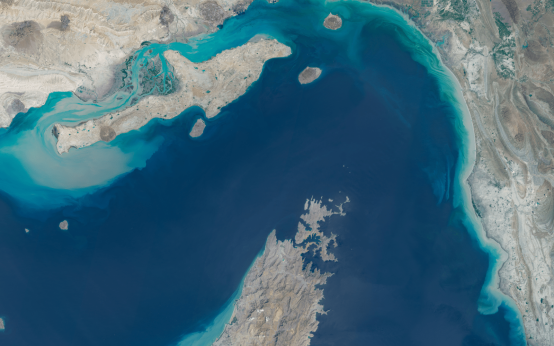 Trump’s Stance on Strait of Hormuz Fees Sparks Debate