
Elon Musk, achieving the status of the world’s first trillionaire, has led many to ponder the sheer scale of his vast fortune. A trillion dollars in $100 bills would stack 679 miles high. This comparison helps visualize the magnitude of Musk’s wealth.
Economist Steven Durlauf highlights that John D. Rockefeller’s wealth once equaled about 1.5% of the U.S. GDP. In contrast, Musk’s fortune now exceeds 3% of the GDP. For context, professional athlete Jalen Brunson, who earns around $39 million annually, would need to compete for over 25,000 seasons to amass a similar amount.
Concern about Musk’s net worth was intensified by a report indicating that his wealth is five million times greater than that of the average American household.
Plato’s Perspective on Wealth Disparity
Plato, a pioneer in addressing economic inequality, offered insights through his work, “Laws.” Plato believed a true republic should restrict any individual’s wealth to four times that of the poorest citizens. Such a limit aims to ensure a fair distribution of resources.
Plato’s constraints might seem challenging for modern economies to implement. His worries about economic disparity are still relevant today.
Lessons from Ancient Athens
Plato witnessed the impact of inequality firsthand in Athens. The city narrowly avoided chaos due to the wide gap between the rich and poor. Solon, an influential lawgiver, salvaged the situation by erasing the debts of the impoverished, angering the wealthy.
Athens experienced tumult during the Peloponnesian War when class struggles triggered revolts. These events included a rich-led oligarchic uprising, a rebellion by the poorer citizens, and another oligarchic counter-revolution.
Reflecting on history, Plato’s advocacy for economic limits underscores his desire for societal harmony. His insights continue to resonate as modern societies grapple with increasing inequality.
 Congress Faces Challenges of Trump’s Iran War
 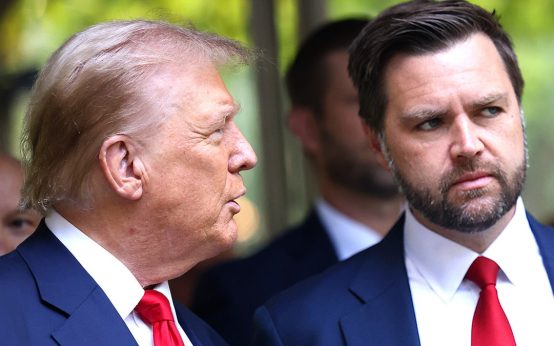 VP Vance Addresses US-Iran Nuclear Talks and Strait of Hormuz Security
 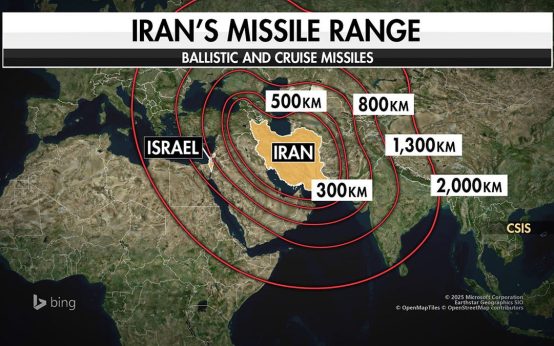 Trump’s Changing Stance on Iran’s Missile and Nuclear Capabilities
  Legal Dispute Over Kennedy Center Renovations Unfolds
  Trump Criticizes Italian Prime Minister Over G7 Photo and Iran War Cooperation
 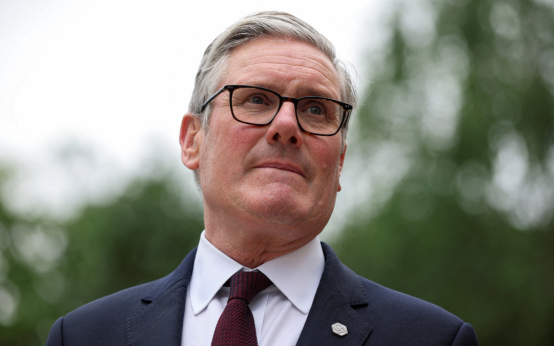 Internal Challenges Threaten Keir Starmer’s Leadership