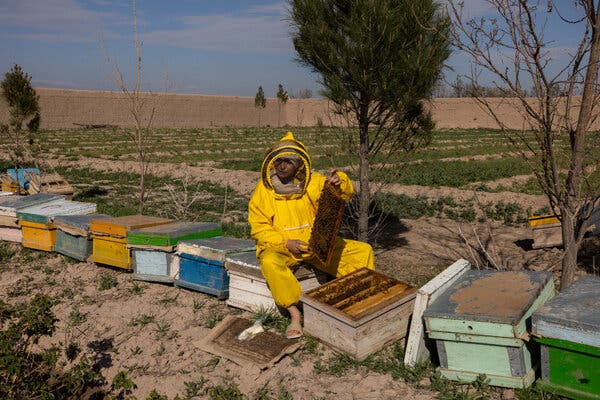
Faced with limited educational and employment opportunities, many Afghan women have turned to entrepreneurship as a means to earn a living and engage socially. Ghoncha Karimi, aged 36, exemplifies this shift; she manages a beekeeping venture near Herat City.
The Impact of Taliban Restrictions
The Taliban’s strict regulations on women have been among the harshest globally. Despite these constraints, the necessity to prevent economic collapse has led the Taliban to permit women to start businesses, provided they follow stringent rules.
According to the Afghanistan Chamber of Commerce and Industry, the number of women with business licenses has skyrocketed to over 10,000 in five years. However, the World Bank estimates an additional 120,000 women operate businesses without licenses, making small businesses the primary employment sector for Afghan women.
The Narrowing Scope of Opportunities
Career aspirations for many women, such as becoming lawyers or academics, have been replaced with roles in carpet weaving or cosmetics. Employment in government or NGOs remains inaccessible. Professions such as beauty salon operation, midwifery, nursing, or roles requiring interaction with men are also off-limits.
Statistics from the U.N. Development Programme indicate that less than 7 percent of Afghan women were employed in 2024. Women who do work face numerous challenges, such as harassment by morality police, which sparked a rare protest in June.
Overall, while entrepreneurial ventures are providing some opportunities, they also highlight the diminishing prospects for women’s lifestyles under current conditions.
 Dealing with Aggression in the Family
  Woman’s Decade-Long Struggle with Complex Regional Pain Syndrome
  Scotland Fans Flock to Boston for World Cup, Straining Beer Supplies
  German Soccer Fan’s Viral US Food Tour and Unexpected Adventures
  A Unique Friendship: George W. Bush and Michelle Obama
  Robert Griffin III’s Emergency Landing Experience and His NFL Journey