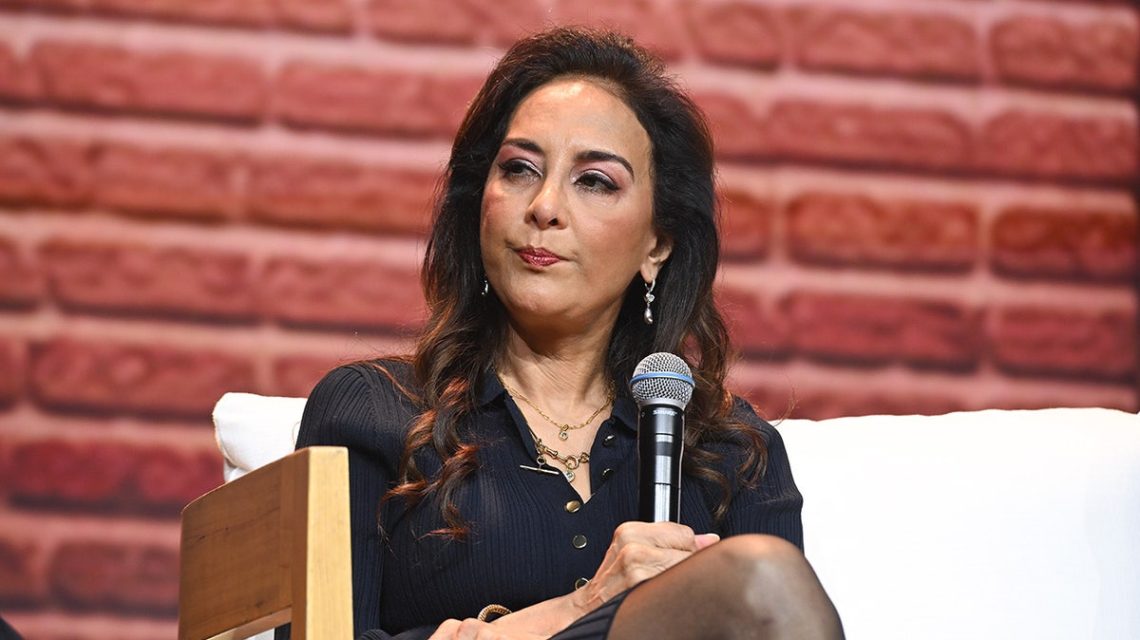
The federal government is aiming to halt reparations initiatives in the U.S., accusing state and local officials of engaging in ‘virtue signaling’ with the goal of securing votes. Assistant Attorney General Harmeet K. Dhillon of the Justice Department’s Civil Rights Division shared these sentiments with Fox News Digital.
Our philosophy here at this Department of Justice, consistent with recent Supreme Court precedent, is that all Americans are entitled to be judged on their own merits, and not instead as part of some bucket of collectives
, Dhillon declared. Dhillon expressed concern that reparations programs might not align with constitutional requirements due to the strict scrutiny applied to programs involving racial classifications and government benefits.
Dhillon’s remarks coincided with the DOJ’s involvement in a class-action lawsuit challenging Evanston, Illinois’s ‘Local Reparations Restorative Housing Program.’ The program, initiated by the Chicago suburb, offers public benefits based solely on race and ancestry. Dhillon argued that beneficiaries of the initiative have not personally experienced discrimination traceable to any governmental action.
The Justice Department filed a complaint alleging that the program contravenes both the Equal Protection Clause of the Fourteenth Amendment and the Fair Housing Act, as it distributes housing-related financial aid based on race.
Approved in 2019 and launched in 2021, Evanston’s program offers eligible Black residents or their direct descendants $25,000 grants. These funds can be used for purchasing homes, mortgage assistance, property repairs, or obtained as direct cash payments. To qualify, applicants must have lived in Evanston as adults between 1919 and 1969—a period marked by systemic housing discrimination and redlining—or be direct descendants of residents from that era.
The initiative has sparked national debate regarding racial reparative justice. Proponents view the program as a critical step for tackling generational economic disparities. However, the federal government argued that the program is not appropriately tailored since race is the sole qualifying criterion, without requiring proof of personal suffering due to city policies.
Litigation commenced in May 2024 when Judicial Watch, a conservative legal entity, filed a lawsuit representing six non-Black descendants of Evanston inhabitants. They claimed unconstitutional exclusion from the program. U.S. District Judge John F. Kness refused the city’s motion to dismiss the case, allowing the lawsuit’s progression. Concurrently, the DOJ initiated its own civil rights review of Evanston’s practices.
Evanston has distributed over $7 million from an allocated $20 million fund, using tax revenue from legal recreational marijuana sales. The city’s Reparations Committee cleared additional funding earlier this year, issuing $25,000 payments to 44 more residents. Following the DOJ’s intervention, Evanston released a statement upholding the program’s legality while declining further comments on the ongoing trial.
Elsewhere, reparations programs have ignited debate nationwide, with several cities and states, including other parts of Illinois, contemplating similar initiatives. Dhillon mentioned her scrutiny of Asheville, North Carolina’s program, stating a willingness to evaluate others as they arise.
Joshua Q. Nelson, Fox News Digital reporter, extensively covers cultural trends, education, public policy, and has reported on reparations developments in the U.S. Nelson joined Fox News Digital in 2019, following graduation from Syracuse University and obtaining the Wharton Public Policy Certificate from the University of Pennsylvania.
 Inside Tulsi Gabbard’s Political Landscape
 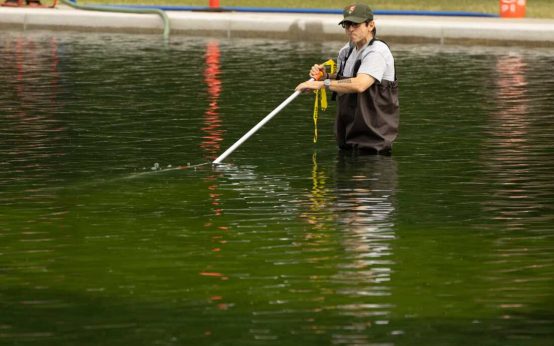 Controversy Surrounds Renovation of Lincoln Memorial Reflecting Pool
 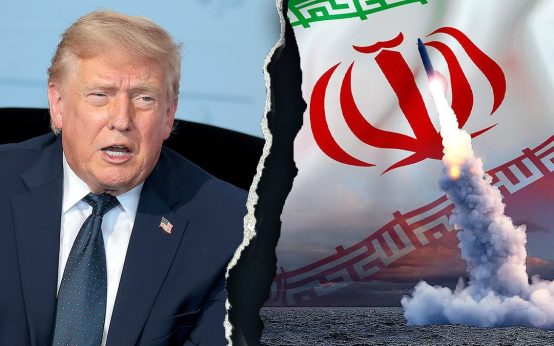 Concerns Over Iran Nuclear Talks and Potential Deal
 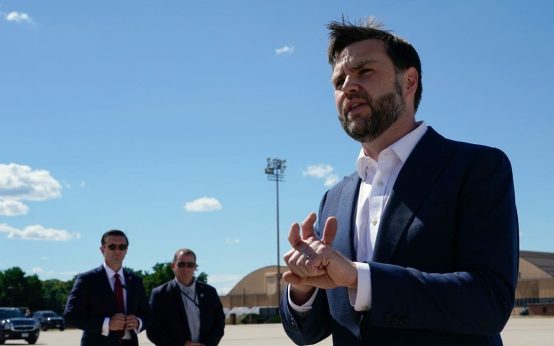 Vice President JD Vance Engages in Iran Negotiations in Switzerland
  Texas Senate Race Sees James Talarico Soliciting Funds from Tech Executives
  Far-left Candidates Seek to Influence Democratic Party Dynamics