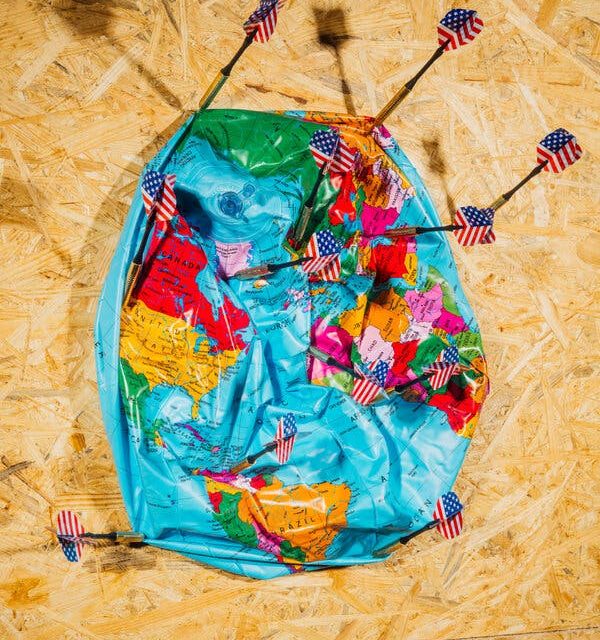
As the conflict in Iran nears a tentative end, many Americans question why the United States has achieved so little. How did Iran, despite being a geopolitically isolated middle power, economically weakened by years of sanctions and plagued by protests, resist a superpower that invested $29 billion only to find itself in a diminished position?
The answer lies in the U.S.’s solitary approach. Acting primarily with Israel, President Trump believed the unmatched power of the U.S. military could overpower Iran. He bypassed the U.N. Security Council, required for legal military action under the U.N. Charter, rendering the war illegal and alienating traditional U.S. allies. He failed to consult regional partners before risking their safety. His strategy of applying military pressure was unsuccessful.
Iran countered by illegally closing the Strait of Hormuz, threatening ships, and launching drones and missiles at nearby nations. By the time President Trump sought broader backing to confront Tehran, coalition-building efforts were ineffective. Even NATO allies refused participation in what they deemed an illegal conflict, despite suffering economic repercussions from Iran’s retaliation.
Allies traditionally aligned with the U.S. distanced themselves from the war effort. Several, including Spain and France, restricted access to their airspace and bases for operations related to the Iran conflict. Italy and Switzerland imposed similar restrictions. The U.K., often emphasizing its ‘special relationship’ with the U.S., debated its involvement and chose to permit only ‘defensive’ use of its bases for U.S. forces. Prime Minister Keir Starmer stated, “We are not getting involved in offensive action that the United States and Israel are taking.”
The Iran conflict underscores a vital lesson: even the most formidable nation lacks true power when acting alone. This insight reaches beyond Iran to highlight a flaw in the president’s global strategy. President Trump aims to restore American greatness but overlooks that America’s strength historically stems from its ability to forge international institutions embodying shared values and interests, institutions others choose to join.
The United Nations is illustrative. The U.S. State Department wrote the initial U.N. Charter draft, led by Under Secretary of State Sumner Welles. It envisioned an international body to maintain peace post-World War II, ensuring the U.S. wouldn’t again fight aggressors seeking global domination. The U.N. reflected U.S. principles such as prohibiting territorial gains and renouncing force. Yet, the Trump administration has repeatedly violated this charter in conflicts like Iran, Venezuela, and through lethal maritime strikes in the Caribbean.
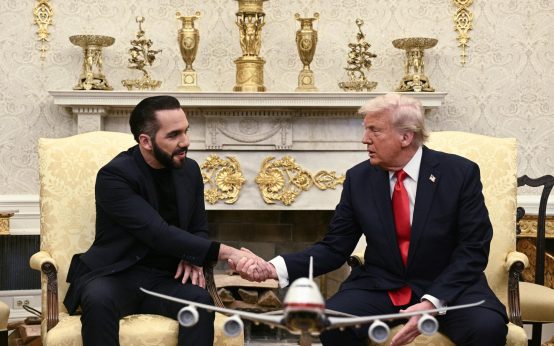 Trump’s Support for Colombian Candidate Sparks Controversy
  Iran Coach Criticizes Treatment at World Cup Amidst US Travel Restrictions
 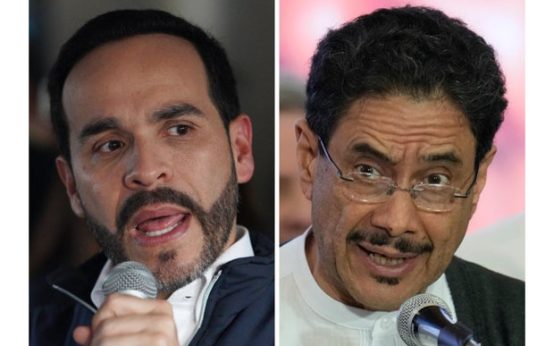 Colombia’s Presidential Runoff: A Nation Divided
  Extensive Damage to White House Grounds After UFC Event Hosted by Trump
 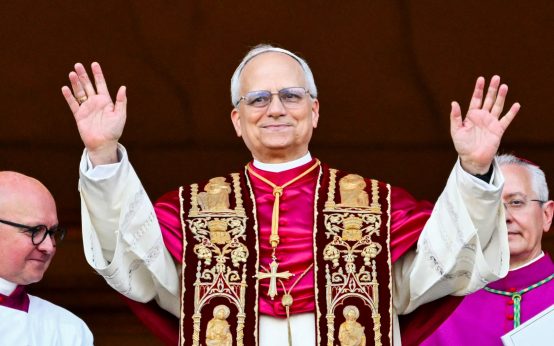 Pope Leo XIV Honors Mother Cabrini’s Legacy and Focus on Migrants
  Keir Starmer Faces Political Challenges as Ally Shifts Tone