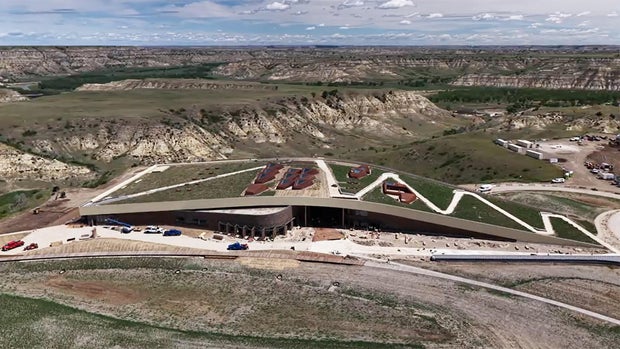
Theodore Roosevelt consistently ranks among the nation’s top five most admired presidents. This July 4, 107 years after his passing, he gets his own presidential library. Unexpectedly, this library is not in New York but in the North Dakota Badlands, set amidst prairie grass.
The 96,000-square-foot library pays tribute to America’s 26th president. While grand like his Mt. Rushmore likeness, the architecture by Craig Dykers opts for subtlety. Dykers notes, “Nature is transformative here.” The library’s design reflects this, promising a transformative experience for visitors.
“It transformed Theodore Roosevelt, and it will transform new visitors to this library.” – Craig Dykers
The library’s gently sloping roof mirrors the surrounding buttes, adorned with native grasses and paths. These paths encourage visitors to explore and view the adjacent Theodore Roosevelt National Park. Dykers describes the form as feeling like it naturally emerged from the Earth.
Inside, skylights provide natural light, while compressed earth walls add to the environmentally sensitive design. During a March preview, it was challenging to see where nature ended and the library began.
With a construction cost of $450 million, this is a significant development for Medora, North Dakota. The location, far from Roosevelt’s New York origin, aligns with his personal history. Roosevelt credited his presidential success to his experiences in the Badlands.
Edward O’Keefe, CEO of the library, explains that Roosevelt, a sickly child, found a new life in North Dakota. At 24, he began living the adventurous life he had only read about before. These experiences helped him emerge from personal tragedy.
After the simultaneous deaths of his mother and wife on Valentine’s Day in 1884, Roosevelt described himself as “a broken man, in a broken land.” The grief led him west, where he embraced the Dakota Territory’s rugged lifestyle.
Roosevelt’s time in the Badlands was transformative. It was here he learned life’s unpredictability and the importance of seizing the moment. This spirit of adventure is central to the library’s mission, which encourages visitors to experience rather than merely observe Roosevelt’s history.
The library employs artificial intelligence to offer immersive experiences. Visitors can interact with an AI avatar of Roosevelt, simulating a conversation with the president.
“We have created the world’s first presidential archive in AI.” – Edward O’Keefe
The facilities are unique, featuring hitching posts for horses. Guests can also hike through prairie paths, enjoy campfire tales, and tour Roosevelt’s cabin at Elkhorn Ranch.
While the library offers attractions, it also addresses complex historical contexts. Roosevelt’s views on indigenous peoples and the library’s possession of a controversial statue are part of an honest historical dialogue. A land blessing with five tribes aims to ensure respectful representation.
The library’s dedication to Roosevelt’s legacy goes beyond celebration. It acknowledges his entire history, helping to foster conversation about his impact and lessons. It emphasizes that gaining strength often comes through personal adversity.
“He likes the person who tries and fails. That’s a powerful lesson for today.” – Edward O’Keefe
Opening on July 4, the library invites visitors, especially youth, to understand the importance of proactive change. It embodies Roosevelt’s belief that being active participants in life leads to meaningful change.
 Heirs of Custer and Sitting Bull Reflect on a Historical Legacy
  The Sunday Story: Comprehensive News and Culture Analysis
 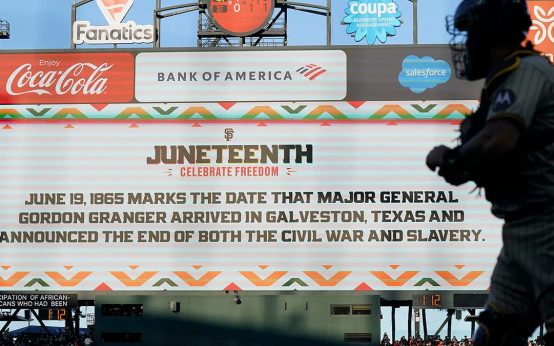 Professional Sports Leagues Show Support for Juneteenth and Pride Month
 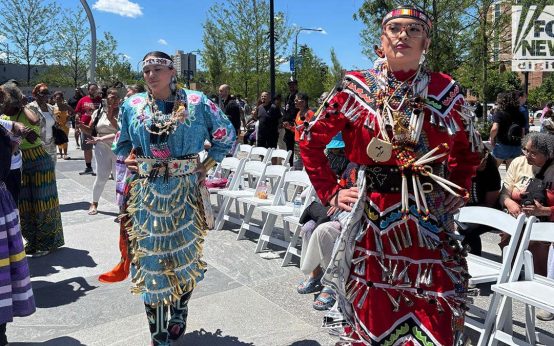 Obama Presidential Center Opens with Controversy
  Judy Blume Reflects on Her Writing Journey and New Adventures
  JR’s Inflatable Installation on Paris’ Pont Neuf: A Tribute to Christo and Jeanne-Claude