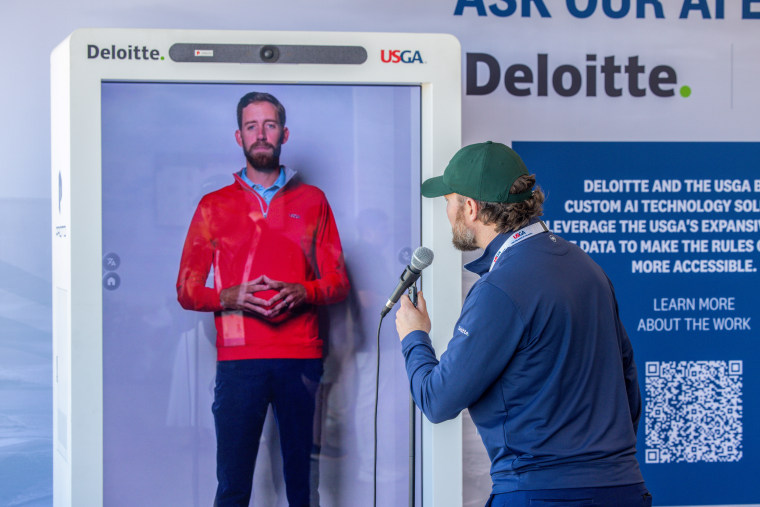
A significant gathering of golf enthusiasts visited Shinnecock Hills Golf Club in Long Island for the 126th U.S. Open. The tournament attracted fans keen to witness top golfers tackle challenging Atlantic winds and complex fairways.
The traditional elements of golf have remained consistent since the late 1800s, yet the rise of artificial intelligence has introduced new tools for both players and fans to enhance their engagement with major tournaments. The U.S. Golf Association (USGA), responsible for the U.S. Open, has unveiled a tool named Rules AI to assist players in understanding golf rules and provide quick advice.
Craig Winter, USGA’s senior director for the rules, highlighted that Rules AI aims to meet players’ needs by offering answers that match or surpass expert consultations. He emphasized the USGA’s respect for golf’s traditions, yet acknowledged the necessity of improving player experiences.
The USGA enforces 24 essential rules that encompass equipment standards and penalties. Understanding these rules can be challenging, much like attempting difficult shots on the course. For instance, dilemmas arise if a player’s ball lands on an unplayable surface like a paved road or is deflected by an alligator into water.
In late May, Rules AI entered a pilot phase, allowing select golf clubs to test the technology through a USGA mobile app. Users could inquire about rules concerning moving a ball due to construction or confirm the allowable number of clubs in their bags, receiving replies swiftly.
During this year’s U.S. Open, interactive screens were installed at a pavilion near the third hole to offer fans a hands-on experience with Rules AI. Staff from Deloitte, which collaborated with the USGA to develop the system, managed the setup that featured an AI-generated rules official. The AI avatar provided specific rulings with citations from the USGA rulebook.
Joe Couhig, who supported player Vaughn Harber, found the tool promising. Couhig, from Lewis University’s golf team, desired a direct source to resolve rule-related uncertainties. He noted that Rules AI could offer specific context for complex shots.
The service includes a disclaimer recommending reliance on human officials for final rulings and notes AI technology’s fallibility. Rules AI was trained on over 25,000 real inquiries, leveraging human expert insights. Anthony Santora, USGA’s IT managing director, mentioned the distinctive potency of using curated data. Santora noted a focus on accurate responses and security for golf-related questions.
Santora aims for comprehensive accessibility for all golf inquiries, with expectations for nationwide distribution by spring 2027.
Despite AI being new, many were unaware of the technology, learning of it during their visit. Bruin Richardson, a visitor from New York City, expressed curiosity regarding the AI service.
The U.S. Open holds prominence in golf, alongside other majors such as the British Open, the Masters, and the PGA Championship. The USGA, which comprises 55 local associations nationwide, collaborates with the U.K.’s golf governing body to establish fundamental rules.
Long before AI enhancements, the USGA embraced automation, utilizing radar to track shots, updating websites with real-time highlights, and detailing players’ activities. Senior Director Dave Giancola discussed AI’s role in processing vast amounts of data from numerous shots across tournament rounds.
Giancola praised AI for enabling content creation that benefits both avid and general sports fans through integrated broadcast footage. Recently, the USGA presented RangeCast during the U.S. Women’s Open for analyzing warmup shots with ball-flight data. RangeCast adds to ShotCast, launched earlier to provide graphic visualizations of each shot and AI-derived text summaries.
ShotCast enhanced viewing experiences, as demonstrated by Ned Horton, who appreciated its helping him understand player options during shots. This year, the USGA introduced AI-driven summaries that compare player rounds with field updates based on leaderboard changes.
Mixed reactions arose among spectators about AI’s tournament role and its broader impact on golf. Some preferred a tech-free experience, viewing golf as an avenue for distraction-free relaxation.
Giancola anticipates further engagement with interactive technologies like AI-enabled glasses for enhanced fan experiences. The USGA seeks to make golf accessible to younger audiences, envisioning exciting developments for future championships.
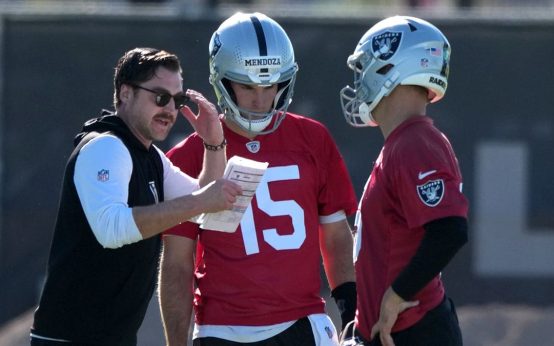 Fernando Mendoza Prepares for NFL Debut with Las Vegas Raiders
 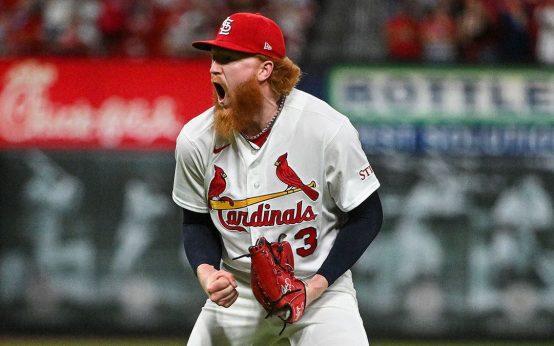 Father’s Day and Baseball: Cardinals vs. Royals Game Insights
  FTR Announces Extended Break From AEW: Insights from Dax Harwood and Cash Wheeler
 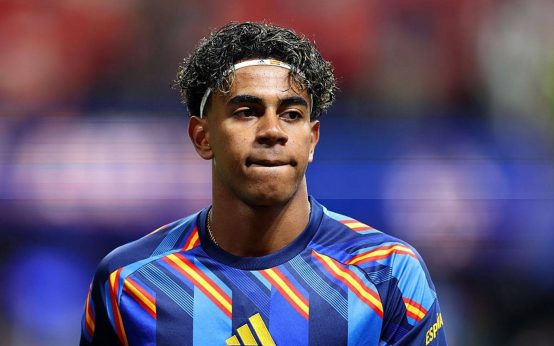 Spain vs Saudi Arabia: World Cup Match Preview
  Controversy in MLB Over Treatment of Christian Players
  The Legacy of Bobby Jones and Challenges Faced at the U.S. Open