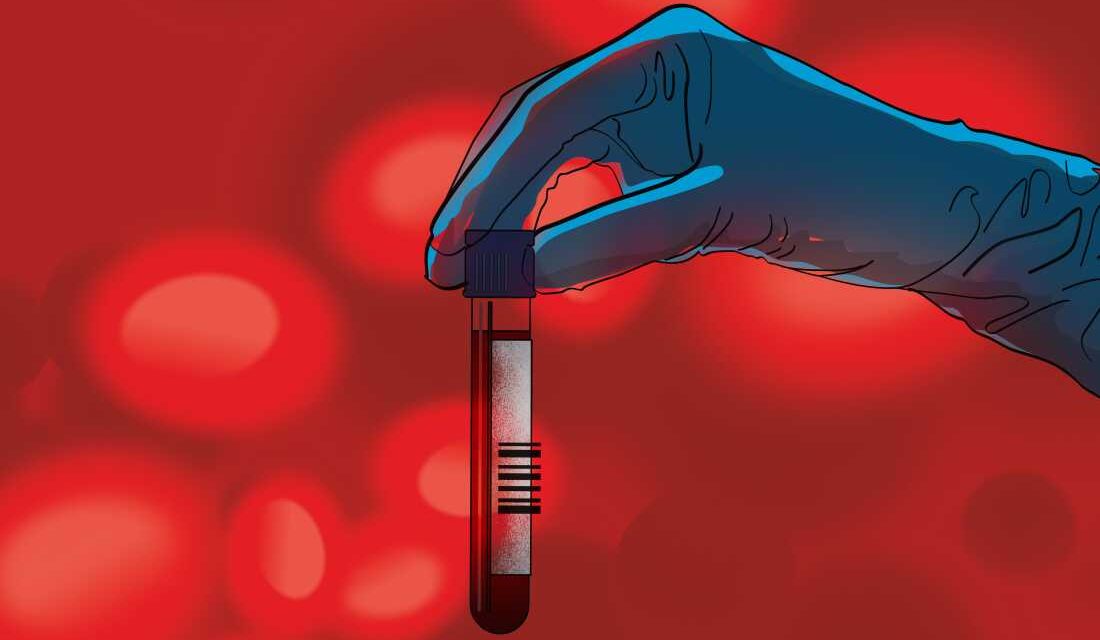
New blood tests have the potential to detect traces of up to 50 types of cancer from a single blood sample. Though they do not diagnose cancer, these tests can indicate areas for doctors to investigate further.
The Food and Drug Administration (FDA) is currently reviewing the Galleri test. This new tool represents a significant advancement in cancer detection, potentially receiving approval later this year. Approval would mean broader access to such testing.
Today, in the U.S., typical cancer screenings focus on five types: breast, colon, cervical, prostate, and lung. Each requires individual tests. The Galleri test, however, identifies DNA or cancer markers from several cancers in one vial of blood.
Both the Galleri and Cancerguard tests fall under multi-cancer early detection (MCED). They can be ordered in the U.S. due to a special FDA designation. Full FDA approval is necessary for Medicare and insurance to cover such tests.
The Shift in Cancer Screening
According to Megan Hall from Grail, the company behind Galleri, this represents a new approach to cancer screening. Instead of focusing on individual cancers, people can be screened for multiple types at once.
Efforts by the testing industry and cancer advocates have spurred government moves to cover MCED tests once they receive comprehensive FDA approval. Recent legislation allows Medicare to cover these tests as of 2028, contingent on this approval.
The retail price for Galleri is $950, while Cancerguard costs $659. Pricing for commercial insurers remains uncertain.
Research and Results
Grail is conducting studies with over 50 participants, including a U.K. study with the National Health Service (NHS) and a second with 35,000 participants in North America.
The NHS study did not meet one primary goal: significantly reducing Stage 3 and 4 cancers. However, later research indicated a 26% reduction in Stage IV cancers in the third year, which is promising.
Grail emphasizes that the Galleri test should complement existing screenings, not replace them. Legislation supporting future Medicare coverage of this test specifies it should not replace current tests.
The Implications and Future
For individuals concerned about cancer, current screenings exist only for a few common cancers. Blood tests could simplify and make routine screenings more accessible.
The concept of blood tests offering early cancer signals is viable. Oncologists like Arif Kamal recognize the soundness of the science and technology but note it needs further evolution.
Blood tests, including “liquid biopsies,” are already utilized for monitoring treatment efficacy and identifying specific genetic cancer types for targeted therapies.
Jonathan Goldman, a specialist at UCLA, sees a future where tests could predict cancer risk, although such sensitivity isn’t yet achieved.
Conclusion
While the Galleri test is not diagnostic, it provides crucial pointers for further investigation. Hall emphasizes that early detection remains vital.
As treatment options advance, identifying cancer before it reaches Stage 4 becomes increasingly vital for survival. The evolving treatment landscape, along with improved testing, offers promising advancements in cancer care.
 Fire in Boyle Heights Cold Storage Continues
  Loophole in Patent Law Brings ‘Miracle Drug’ to Patients Who Can’t Afford It
  Puppy Boris and Cat Jenkins Rescued from Abandonment at Shelter Parking Lot
  Considerations for Air Travel During Late-Stage Pregnancy
  Poor Sleep Linked to Feeling Older Than Your Age, Study Suggests
  The Rising Challenge of Childhood Obesity