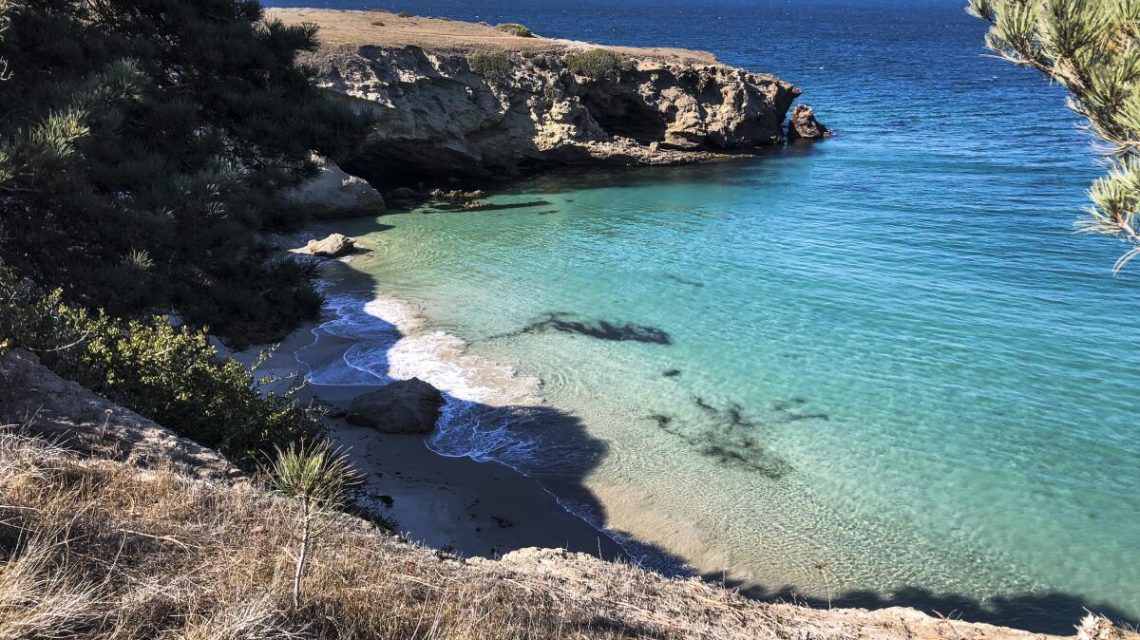
The recent news about Santa Rosa Island undergoing a devastating fire brought personal sorrow. This island near Santa Barbara, home to unique flora and fauna like small foxes and rare pine trees, faced significant destruction. My connection to the island stems from a backpacking trip five years ago, which I documented for a publication. Today, parts of the path I once traversed are now scorched, including my first campsite near Ford Point, where a massive elephant seal startled me awake late one night.
The fire obliterated a section of critically endangered Torrey pines, which I had hiked to, enjoying views of the island’s stunning blue waters. It also reached Water Canyon Campground, where comfort awaited after rigorous backcountry travel. This experience strengthened my bond with my husband, who became an outdoors enthusiast during the pandemic.
Now, questions linger about the island’s current state. As The Times’ wildlife and outdoors reporter, my concern extends to the resident wildlife and plant life. However, there’s relief in knowing the fire is fully contained after its three-week rampage. Yet, until specialists begin assessments on Friday, many effects on the environment remain unknown.
“There will be winners and losers for sure,”
stated Heather Schneider from the Santa Barbara Botanic Garden. This uncertainty extends to the Hoffmann’s slender-flowered gilia, a federally endangered wildflower located in the burned region. Despite potential seed loss, there is optimism that untouched seeds will promote regrowth.
Encouraging news reveals that some island treasures, like the historic South Point Light Station and the Torrey pines, largely survived. Greg Pauly from the Natural History Museum of Los Angeles County observes that life on the island is interdependent and that changes may affect ecosystems over time.
“It’s sort of a one-two punch,”
he explained regarding the dual challenges of surviving the fire and adapting to a changed landscape. For instance, deeper soil fractures might have provided refuge for animals such as the gopher snake. But with shifting food supplies, ongoing survival challenges loom. Pauly also voiced concern about non-native grasses that proliferate post-fire, hindering native habitat restoration.
Santa Rosa’s history reflects ongoing transformation. Past ranching brought non-native grazers that once devastated native vegetation. Since their removal in 2011, native plants have rebounded. With increasing temperatures and visitor numbers, fire risks may rise.
Efforts to assist the recovery from this fire are underway. The Santa Barbara Botanic Garden retains seeds of rare plants from the burned area as a safeguard. A new conservation grove of Torrey pines has also been established. The Channel Islands National Park Foundation is mobilizing resources for restoration.
If returning to Santa Rosa, I intend to accept the changes. The island is part of a dynamic world, and while it may differ from my previous visit during the pandemic, adaptation and renewal remain constants.
 Confronting the Truth Behind Sustainability Buzzwords in the Food Industry
  Largest Seizure of Illegal Cockroaches in Australia
 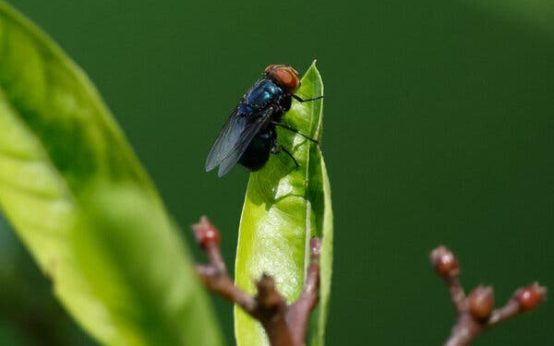 Flesh-Eating Fly Returns to the United States Causing Concern
 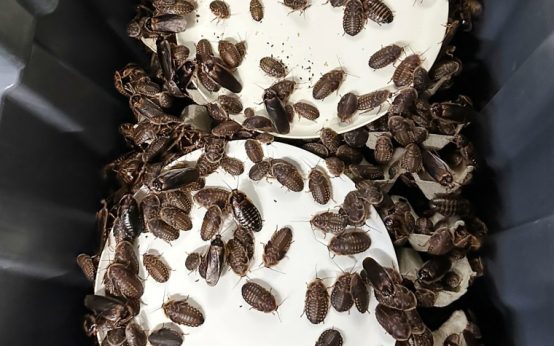 Australia’s Largest Seizure of Exotic Invertebrates: Over 100,000 Cockroaches Confiscated
  Controversy Surrounds Proposed Nashville Data Center Near Zoo
  Rising Energy Demands Drive Innovative Solutions