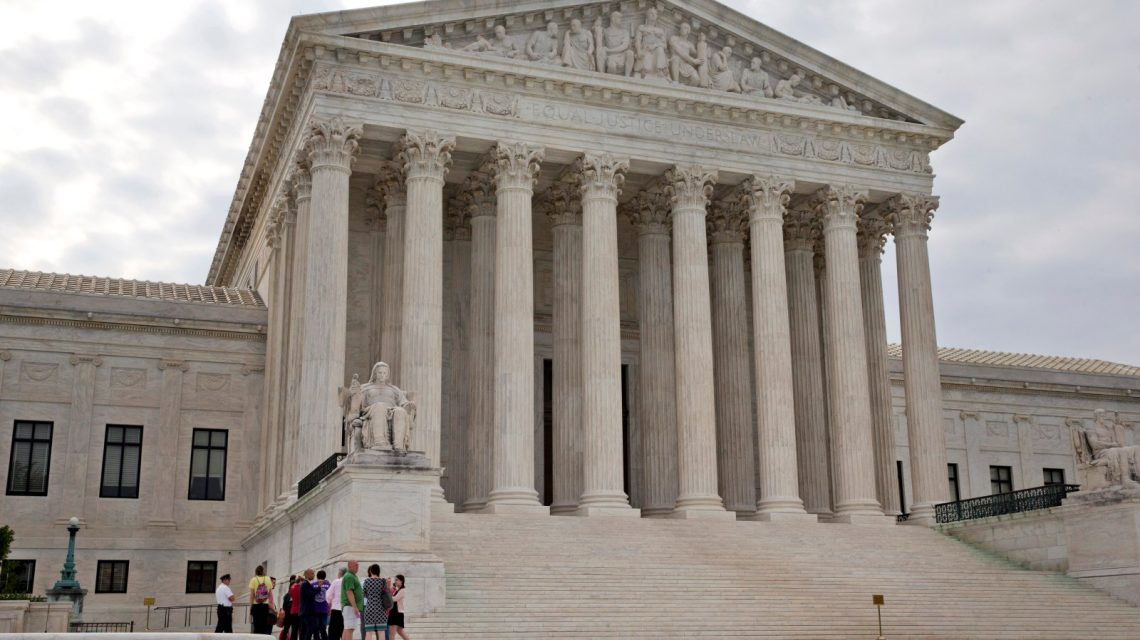
Supreme Court Ruling on Rastafarian Inmate’s Religious Rights
The Supreme Court has ruled in a 6-3 decision against Damon Landor, a Rastafarian inmate, in the case Landor v. Louisiana Department of Corrections and Public Safety. The court decided that Landor cannot seek monetary damages from individual Louisiana prison officials under the Religious Land Use and Institutionalized Persons Act (RLUIPA), despite alleging a violation of his religious rights.
Case Details
Landor claims prison officials forcibly shaved his dreadlocks in 2020, a direct contradiction to his Rastafarian beliefs which require uncut hair. He referenced prior federal rulings acknowledging similar protections, but prison staff allegedly ignored these.
Justice Neil Gorsuch, writing for the majority, explained that individuals cannot recover money damages from state employees in their personal capacities under RLUIPA, which is tied to federal spending consent.
RLUIPA’s application is limited to parties that have accepted conditions tied to federal funding. While Louisiana’s prison system agreed to these terms, individual officers did not, making them immune from personal liability under this statute.
Dissenting Opinion and Public Reaction
Justice Ketanji Brown Jackson and the court’s liberal justices dissented, emphasizing that the decision denies victims of religious-rights violations a meaningful remedy. This, according to Jackson, undermines congressional efforts to protect religious practices in prisons.
Critics, including Daniel Mach from the ACLU, have strongly opposed the ruling, stating it impacts the religious freedom and dignity of incarcerated persons. The ACLU vowed to continue advocating for prisoners’ religious rights.
Contrasts in Court’s Approach to Religious Liberty
This decision diverges from many of the court’s recent religious liberty cases, typically ruling in favor of religious claimants. Cases such as Roman Catholic Diocese of Brooklyn v. Cuomo and Groff v. DeJoy illustrate the court’s previous tendencies to protect religious practices and expression.
The distinction in this case involves the nature of the legal remedy related to the Spending Clause authority, contrasting with other decisions grounded in broader constitutional principles.
Background on Damon Landor and Rastafarian Beliefs
Landor is a devout Rastafarian, adhering to a Nazarite vow that forbids cutting one’s hair. He has maintained this vow for almost two decades. The incident occurred during a transfer to a new correctional facility.
Originally emerging in Jamaica in the 1930s, Rastafarianism promotes spiritual freedom and resistance to oppression. Dreadlocks are a significant religious symbol within this faith. Landor’s experience challenges the acknowledgement and protection of such religious expressions within correctional institutions.
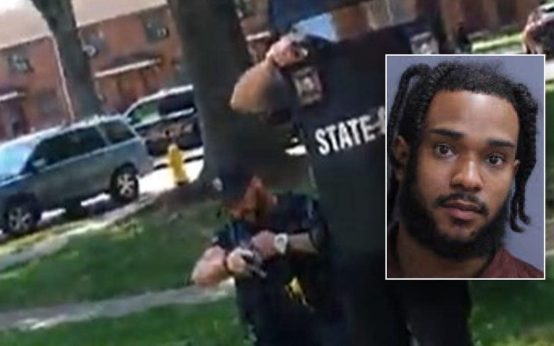 Pennsylvania Standoff: Man Convicted After Taking Child Hostage
  Texas Demonstration Leads to Long Prison Sentences
 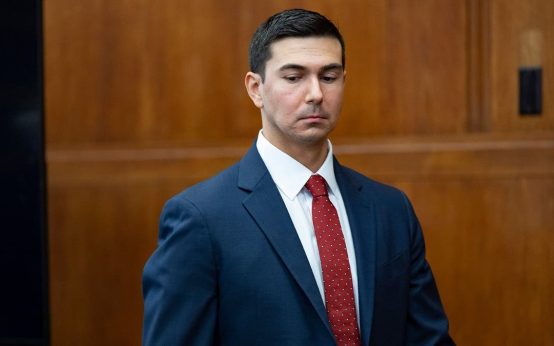 Matthew Nilo’s Defense Challenges DNA Evidence in Boston Rape Case
  Supreme Court Supports Trump Administration in Immigration Ruling
  Supreme Court Decision Permits Stricter Immigration Controls for Green Card Holders
  Justice Department Withdraws Subpoenas for Reporters