FORT WORTH, Texas (AP) — Eight individuals received lengthy prison sentences on Tuesday following a shooting last year that injured a police officer at a protest near a Texas immigration detention center.
Prosecutors described the incident as terrorism, alleging the involvement of the leftist group antifa. However, defense attorneys and family members refuted these claims and voiced their displeasure with the severe sentences.
Benjamin Song, a former Marine reservist convicted of initiating the gunfire during the July 4 demonstration right outside the Prairieland Detention Center near Dallas, was sentenced to 100 years in prison. Seven other participants were sentenced in Fort Worth, with prison terms ranging from 30 to 70 years.
“I am livid,” said Lydia Koza, whose wife, Autumn Hill, received a 50-year sentence. “The government wants to take her entire life away because she attended a protest. Nobody died.”
U.S. District Judge Reed O’Connor, who oversaw the proceedings, emphasized the seriousness of the event, stating it was not a protest but “an assault on democracy.” He noted the importance of deterring such actions in the future.
The case garnered national attention, as critics expressed concerns about its implications for protests and First Amendment rights. The Justice Department highlighted it as a landmark sentencing of individuals linked to antifa following an executive order by President Donald Trump designating antifa as a domestic terrorist group.
Antifa is viewed as a term encompassing far-left militant groups confronting neo-Nazis and white supremacists, rather than a unified organization. Prosecutors argued the presence of firearms, first aid kits, and body armor indicated intent for violence. Defendants’ attorneys countered that firearms were brought for self-protection, and the gathering was meant as a show of support for detained immigrants before the shooting occurred.
Philip Hayes, Song’s attorney, contested the characterization of the participants as extremists, stating an appeal would be filed against Song’s lengthy sentence. Hayes explained the gathering was not intended to cause harm, but focused on making their voices heard.
Prosecutor Frank Gatto urged severe sentencing due to perceived extremist beliefs advocating violence. Defendants and their families sought leniency, arguing the event appeared more like a celebration and was not intended to cause violence.
Autumn Hill’s attorney, Cody Cofer, argued there was no evidence of Hill possessing a weapon or intending violence. He mentioned Hill’s actions in cleaning up after fireworks as showing her intent for a peaceful event.
Chris Tolbert, representing defendant Savanna Batten, emphasized Batten did not bring weapons or fireworks, nor did she take part in planning the event. Both Hill and Batten received 50-year sentences.
Another defendant, Daniel Sanchez Estrada, was charged with concealing documents, though he was not present during the shooting or involved in planning. Defending attorney Christopher Weinbel explained Sanchez Estrada, who received a 30-year sentence, was accused due to his possession of personal belongings after the incident.
Other individuals involved had previously pled guilty to charges related to providing material support to terrorists. Meanwhile, federal prosecutors charged 15 individuals in Minnesota for actions allegedly aiming to impede the immigration crackdown by setting up blockades and other actions.
 Supreme Court Decision on Rastafarian Inmate Case
 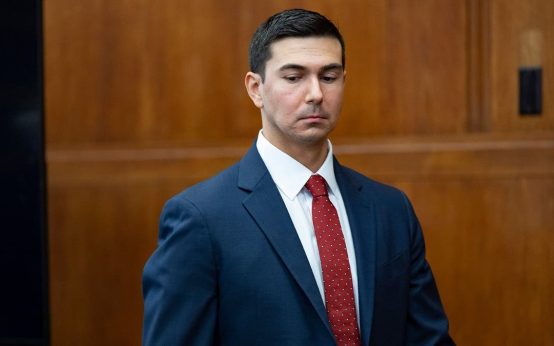 Matthew Nilo’s Defense Challenges DNA Evidence in Boston Rape Case
  Supreme Court Supports Trump Administration in Immigration Ruling
  Supreme Court Decision Permits Stricter Immigration Controls for Green Card Holders
  Justice Department Withdraws Subpoenas for Reporters
  Family of Victim Criticizes Lack of Remorse After Conviction in High-Profile Stabbing Case