
Cancer death rates in the U.S. have decreased significantly over the past 35 years. According to the American Association for Cancer Research, there has been a 35% reduction, resulting in nearly 5 million fewer cancer deaths since 1991. This progress is largely due to better screening and advances in cancer treatments.
Unequal Progress Across Different Communities
The decline in cancer death rates has not been uniform across the country. African American and American Indian/Alaska Native populations have the highest overall cancer death rates among all U.S. racial or ethnic groups. Mariana Stern, chair of the report and professor at the Keck School of Medicine of USC, highlighted these disparities. Black Americans have historically higher cancer death rates than white Americans. The gap has narrowed but persists.
Black individuals face approximately twice the risk of death from multiple myeloma and several other cancers compared to white individuals. Breast cancer mortality rates are 35% higher among Black women than white women.
Colorectal Cancer Disparities
Colorectal cancer rates are rising among those under 50, particularly in Black and American Indian/Alaska Native populations. Increased screening significantly contributed to reducing colorectal cancer mortality, preventing 79% of potential deaths. Despite this, screenings remain less frequent in non-white groups.
In 2023, only 53% of Hispanic individuals and 57% of Asian and American Indian/Alaska Native individuals had current colonoscopy screenings, compared to 67% of white individuals. The Hispanic population has experienced notable increases in early-onset colorectal cancer cases.
Alex Valdez, diagnosed with colorectal cancer at 38, expresses concern about misconceptions regarding screening age. “People think they don’t need a colonoscopy until their mid-40s, but it happened to me at 38,” Valdez noted.
Cervical cancer screening remains low among Asian and Hispanic women compared to white women. Women from low-income areas also face decreased screening rates. Dr. Sarah Kim, a gynecologic surgeon, highlights challenges related to access.
“Cervical cancer is still a problem, especially for patients who lack access to healthcare,” Kim stated. “For anyone socially disadvantaged, working multiple jobs, or without proper healthcare, the chance to see a gynecologist annually can be limited.”
Women in poorer counties face 32% higher cervical cancer rates and 49% higher death rates from the disease. Prevention is possible with the HPV vaccine, which is easily accessible at pharmacies. Still, barriers persist.
Systemic Factors Affecting Cancer Disparities
Disparities in cancer diagnoses and outcomes can be attributed to factors including systemic racism and socio-economic conditions. These elements impact not only screening but also treatment. Many minority and low-income patients lack recommended care, despite advancements in treatment.
Access to care remains challenging, with many citing healthcare affordability issues. Medicaid and ACA enrollment dropped by over 5 million last year, as reported by Protect Our Care.
Stern pointed out available resources in hospitals offering patient navigation services. These navigators assist in overcoming care barriers and effectively guiding patients through healthcare systems. The uncertain future of such programs, with potential funding cuts, poses risks to progress against cancer disparities.
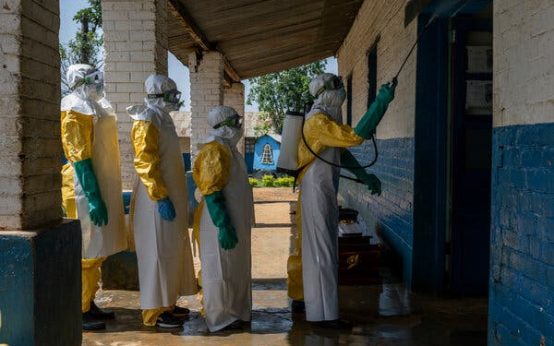 Ebola Case Confirmed in France Amid Congo Outbreak
  Ongoing Fire and Its Impact on Boyle Heights Community and Businesses
  COVID-19 Vaccine Effectiveness Study Finally Published
  France Implements Restrictions Amid Intense European Heat Wave
 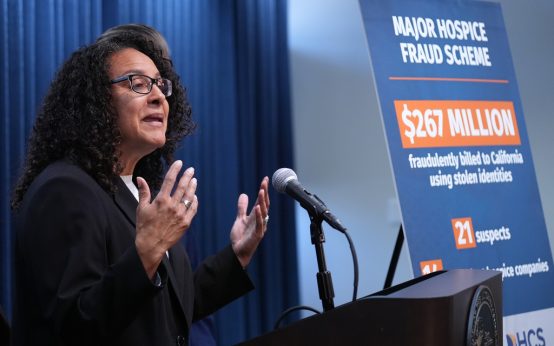 Efforts to Combat Hospice Fraud Strengthened with New Legislation
  Vaccine Study Published Amid Methodological Disputes