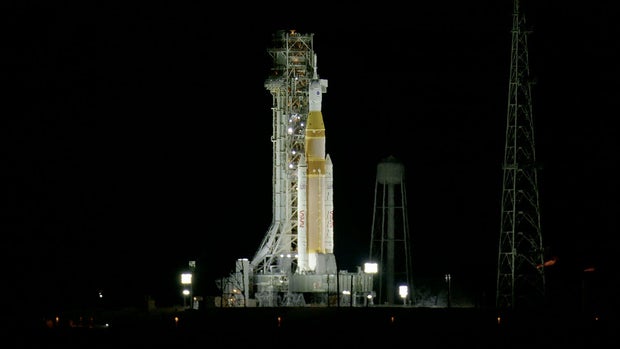
NASA is set to carry out on-site repairs for a fuel leak that disrupted a practice countdown for its significant Artemis II rocket. The new goal is to conduct a second fueling test before attempting a historic lunar mission with four astronauts in March.
Lori Glaze, a high-ranking official in NASA’s Exploration Systems Development office, stated, We are still in the process of assessing the data that we collected yesterday and developing the (repair) plan.
Glaze explained the repair work is expected to occur at the launch pad.
Last Tuesday, after heavy frost appeared on NASA’s Space Launch System moon rocket at pad 39B at Kennedy Space Center, the practice countdown was halted due to a hydrogen leak, though the supercooled fuel was still in the rocket’s tanks.
With the mission pushed back from February, Artemis II astronauts Reid Wiseman, Victor Glover, Christina Koch, and Canadian astronaut Jeremy Hansen have concluded their pre-flight health isolation at Houston’s Johnson Space Center. Wiseman expressed his pride at the fueling achievement despite challenging circumstances, noting the team resumed training for the March moon mission.
The leak occurred between two umbilical plates connecting an 8-inch hydrogen fuel line to the rocket. During refueling, sensors detected excessive hydrogen levels, causing a pause. The team managed the situation by altering flow rates and temperatures, enabling the rocket to fully load with around 800,000 gallons of supercold liquid oxygen and hydrogen.
Six minutes before the final countdown, the leak increased again, causing an automatic halt to operations. John Honeycutt, chairman of NASA’s Mission Management Team, noted that the test provided essential information about the system.
Following the test, NASA Administrator Jared Isaacman confirmed the mission delay to ensure safety, targeting new launch windows from March 6 to March 11. The Artemis II mission marks the second flight of the SLS booster, the most powerful operational rocket globally. The first unpiloted test faced similar delays due to technical challenges.
Hydrogen, a highly flammable and challenging element when used as liquid fuel, can seep through minute gaps, making repairs complex. Tests replicating launch conditions are necessary and traditionally take place at the launch site.
Meanwhile, NASA plans to send a SpaceX Falcon 9 rocket with a fresh crew to the International Space Station. This mission, delayed due to a Falcon 9 stage anomaly during a recent flight, awaits Federal Aviation Administration clearance. Jessica Meir, Jack Hathaway, Sophie Adenot from the European Space Agency, and Russian cosmonaut Andrey Fedaev are scheduled to fly to Kennedy Space Center.
Scheduled for February 11, their departure date was moved forward due to a prior crew’s premature return caused by a medical issue. This mission is essential for station operations and may involve space walks and emergency readiness.
 Blue Origin Recovers from New Glenn Rocket Explosion
  Blue Origin’s Resilient Recovery Post-Explosion
  Blue Origin Rocket Explosion Raises Concerns
  NASA’s Lunar Rover Developments and Future Moon Base Plans
 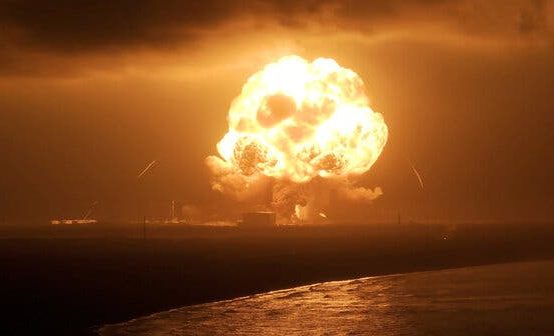 Setback for Blue Origin and Amazon After Rocket Explosion
 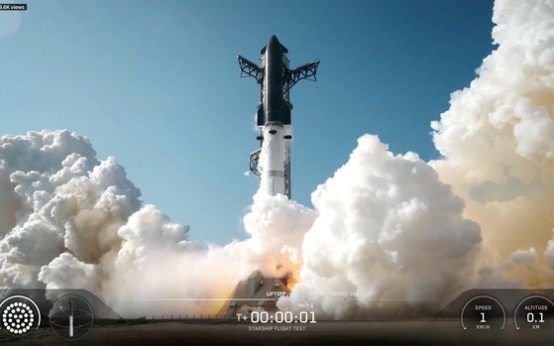 SpaceX’s Revamped Super Heavy-Starship Completes Test Launch