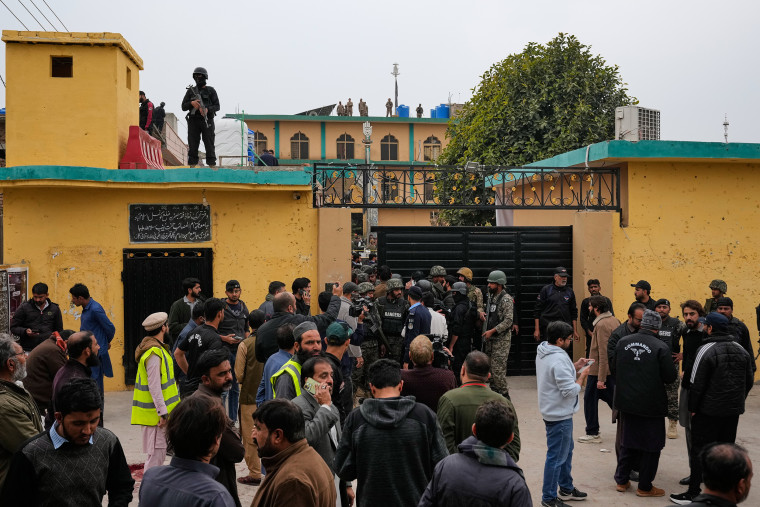
In a tragic event that unfolded during Friday prayers, a massive explosion occurred at a Shiite mosque on the outskirts of Pakistan’s capital, Islamabad, resulting in the death of 31 individuals and injuring at least 169 others, as reported by officials. Authorities are currently investigating the possibility that this was a suicide bombing.
The situation at the expansive Khadija Al-Kubra mosque in Islamabad was dire, with concerns that the death toll could rise as some of the wounded were critically injured. Visual footage from television and social media depicted scenes of chaos, with law enforcement and locals rushing the injured to nearby hospitals.
Eyewitnesses described an alarming scenario within the mosque. Hussain Shah recounted how he was in the mosque’s courtyard when a sudden, deafening explosion startled him. “I immediately thought that some big attack has happened,” Shah said. Upon entering the mosque, he found a scene of utter pandemonium, with many of the injured crying out for assistance. Shah estimated about 30 bodies inside, noting that the number of injured was notably higher.
Responsibility for the attack has not been claimed by any group thus far. However, suspicion might fall on militant organizations like the Pakistani Taliban or the Islamic State group, both of which have history of attacks targeting Shiite worshippers, a minority group in the region. Across Pakistan, militants often target both security forces and civilians.
Although Islamabad has not been the typical target of such attacks, Pakistan has recently experienced a surge in militant activities, attributed mostly to Baloch separatists and the Pakistani Taliban, known as Tehrik-e-Taliban Pakistan (TTP), a group allied with Afghanistan’s Taliban. Additionally, a regional affiliate of the Islamic State group remains active in the country.
Initial reports of the explosion indicated fewer casualties, but Islamabad Deputy Commissioner Irfan Memon later updated these numbers to the current, higher figures.
Following the attack, Pakistan’s President Asif Ali Zardari and Prime Minister Shehbaz Sharif issued separate statements condemning the violence, expressing sympathy for the victims’ families, and urging for comprehensive medical assistance for the injured. “Targeting innocent civilians is a crime against humanity,” Zardari stated, affirming national solidarity with the bereaved families. Prime Minister Sharif assured an exhaustive investigation, declaring that perpetrators must face justice.
Pakistan’s Interior Minister Mohsin Naqvi also condemned the attack, urging medical facilities to provide the best care possible for the victims.
The bombing coincided with an official event attended by Uzbekistan President Shavkat Mirziyoyev, which was taking place several miles from the explosion site.
Raja Nasir, a prominent Shiite leader, voiced deep sorrow over the attack, lamenting the authority’s failure in safeguarding lives and the shortcomings of law enforcement agencies. He appealed for blood donations to address the urgent demands in Islamabad’s hospitals.
The most severe recent attack in Islamabad before this was in 2008, when a suicide attack at the Marriott Hotel resulted in 63 deaths and injured over 250 people. More recently, in November, a bombing outside a court in the capital killed 12.
This latest incident follows the outlawed Baloch Liberation Army’s multiple attacks that occurred nearly a week ago in Balochistan province, resulting in approximately 50 fatalities. In response, security forces reported eliminating more than 200 “terrorists,” according to military sources.
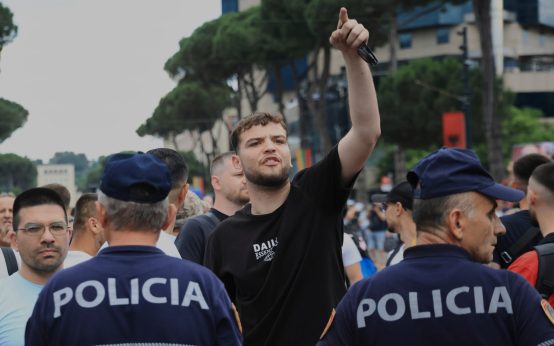 Protests Erupt in Albania Over Resort Development
 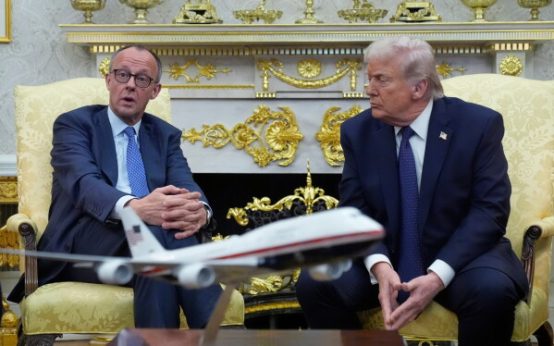 Clarity Sought on U.S. Troop Levels in Europe Amid Policy Changes
 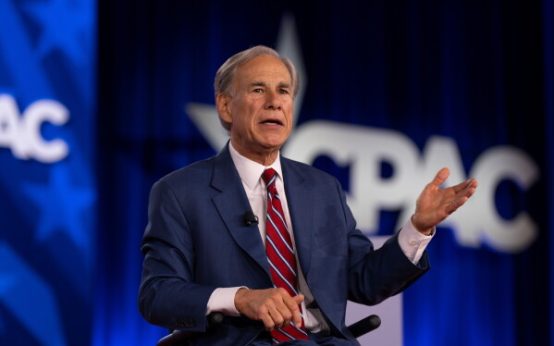 U.S. Military Awaits Pentagon’s Clarification on Troop Levels in Europe
 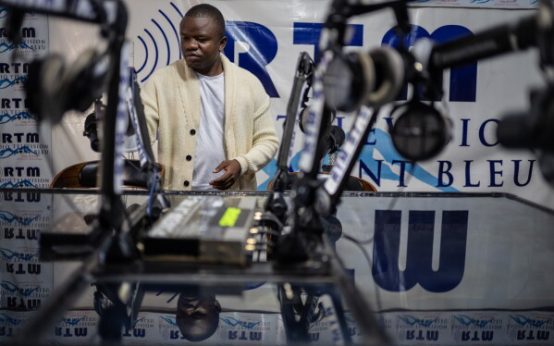 Potential Ebola Outbreak in Central Africa Raises Concerns of Rapid Spread
 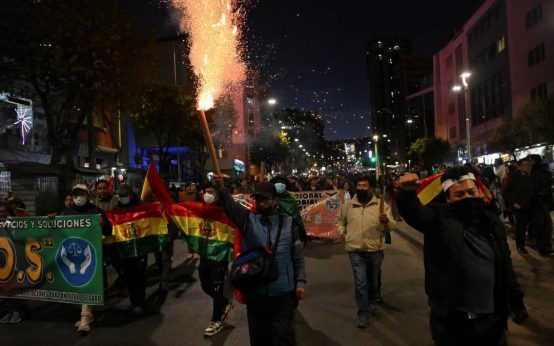 U.S. and Allies Condemn Efforts to Overthrow Bolivian Government
  Pamela Hicks: Cousin, Bridesmaid, and Witness to History