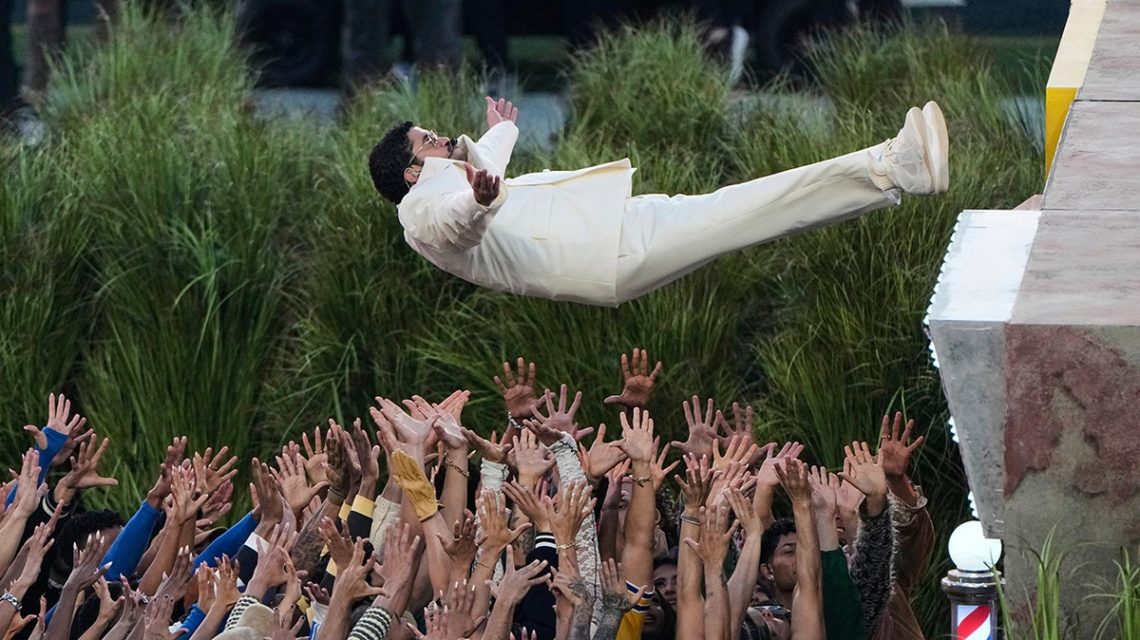
The halftime performance at Super Bowl LX, headlined by Latin trap artist Bad Bunny, has ignited significant controversy and nationwide debate. On the night of the event, which took place on February 8, 2026, in Santa Clara, California, the performance was critiqued extensively across social media platforms.
Former President Donald Trump was among the most vocal critics, referring to the show as “absolutely terrible” on his Truth Social platform. He expressed that the performance failed to align with American values of “Success, Creativity, or Excellence,” and criticized its predominantly Spanish-language content, stating it was confusing and inappropriate for younger audiences.
The Super Bowl Halftime Show is absolutely terrible, one of the worst, EVER! It makes no sense, is an affront to the Greatness of America, and doesn’t represent our standards of Success, Creativity, or Excellence.
Another source of contention was the show’s political undertone. The performance concluded with a message on the Levi’s Stadium screen that read, “The Only Thing More Powerful Than Hate is Love,” which drew varying interpretations, some viewing it as a politically charged statement.
Despite the backlash, the show received praise from certain spectators, including former NFL star JJ Watt and New York Knicks point guard Jalen Brunson. The halftime show was notable for being the first expected to be performed entirely in Spanish. However, the appearance of pop artist Lady Gaga singing a Bruno Mars song added an unexpected twist.
Critics also pointed out Bad Bunny’s choice of attire, which included a mock football jersey with “Ocasio 64,” a potential reference to a controversial statistic regarding the Hurricane Maria death toll. Meanwhile, some fans preferred watching Turning Point USA’s alternate “All-American” halftime show featuring Kid Rock, attended by sports figures like Eric Dickerson and Brett Favre.
NFL Commissioner Roger Goodell defended the decision to feature Bad Bunny, highlighting his global artistic influence and ability to unite audiences through music. Goodell emphasized that the halftime platform is meant to bring people together.
Overall, the halftime show underscored a wider cultural conversation about representation, language, and political messages in mainstream media, illustrating the diverse opinions among audiences and commentators.
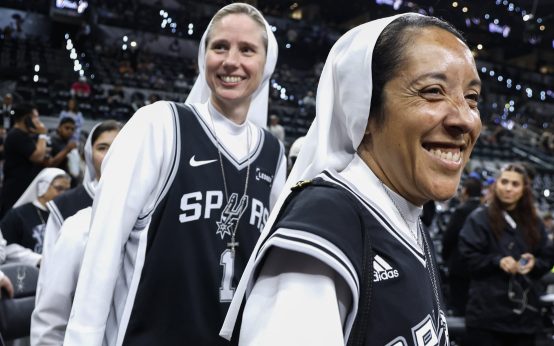 NBA Finals Game 2: Knicks vs. Spurs Updates
  NBA Finals Game 2: Knicks vs. Spurs Ongoing Battle
 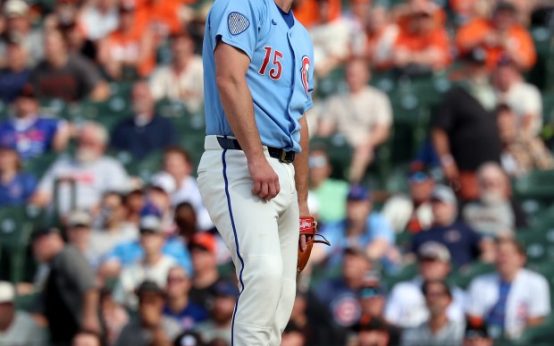 Chicago Cubs Struggle Despite Brief Optimism After Rally
 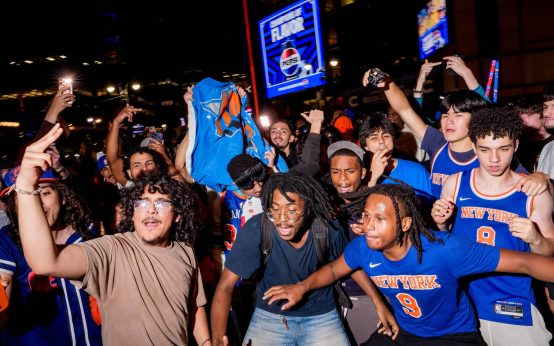 Knicks Fans Rally Across the Nation for NBA Finals Glory
  FIFA World Cup 2026: Enhanced Security Measures for Drone Activity
  Samantha Busch Expresses Gratitude Following Kyle Busch’s Passing