
In a significant political shift, Thailand is witnessing a realignment of conservative politics following a surprisingly strong performance by Prime Minister Anutin Charnvirakul’s Bhumjaithai Party in the recent general election. The party’s unexpected victory has set the stage for coalition discussions, which are anticipated to commence shortly.
According to calculations by Reuters based on election commission data, with 94% of the votes counted, Bhumjaithai surged ahead of its competitors in Sunday’s vote. It secured 192 of the 500 seats in Thailand’s parliament, marking a noteworthy lead. Meanwhile, the progressive People’s Party, which was leading in some polls prior to the election, lagged behind with 117 seats, and the Pheu Thai party followed with 74 seats.
Several other parties collectively gained 117 seats in the 500-seat parliament, as per Reuters’ calculations. However, the final allocation of party list seats might vary under Thailand’s proportional electoral system.
Bhumjaithai garnered 30.2% of the votes, with analysts indicating that it effectively consolidated the conservative base following a surge in nationalist sentiments. This wave enabled the party to secure numerous seats from the previously dominant Pheu Thai, which is associated with the influential Shinawatra family.
“It’s a victory for all Thais,” Prime Minister Anutin declared, following the election results. He emphasized that he is waiting for final seat allocations before commencing coalition talks.
On forming a coalition and appointing a cabinet, Anutin stated he would wait for clarity on the final seat numbers. He noted that internal discussions within each party were necessary to decide the way forward. He also hinted that incumbent ministers in the finance, foreign affairs, and commerce departments might retain their roles if he were to continue in office.
Having called the election in December, less than 100 days into his tenure, Anutin aimed to harness a wave of nationalism. This sentiment was partly fueled by a recent three-week conflict with Cambodia. Meanwhile, the People’s Party openly rejected the idea of joining a coalition led by Anutin, as confirmed by its leader, Natthaphong Rueangpanyawut, who stated that they would not attempt to form a rival coalition.
Back in January, polls placed the People’s Party significantly ahead of Bhumjaithai. However, the actual election results painted a different picture.
Additionally, voters showed strong support for a proposal to revise the constitution, with nearly two-thirds in favor of replacing the charter established after the 2014 military coup. Critics argue that the current constitution grants excessive power to an unelected senate. Implementation of the new constitution is expected to take at least two years, requiring two more referendums to approve the drafting process and finalize the text.
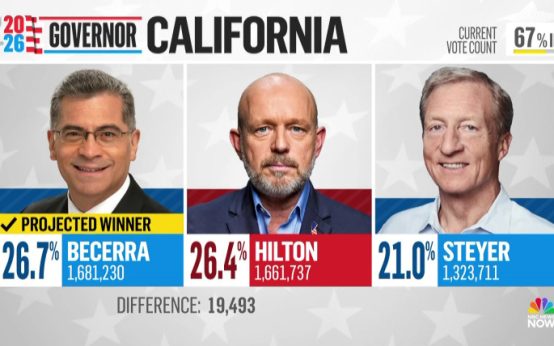
 California’s Primary Election: Highlights and Insights
  President Trump’s Attendance at NBA Finals Game Sparks Reactions
  Investigations Launched Amid California Election Fraud Claims
  Khanna Urges Apology from Maine Senate Candidate Over Misconduct Allegations
 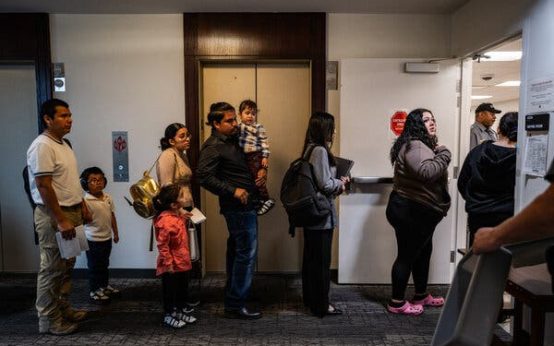 Judge Overturns Trump-Era Immigration Policies
  Trump Aims to Reduce National Intelligence Office Size