After a long wait of 12 years, including a brief appearance in last February’s 4 Nations Face-Off and a four-month-long prologue of the regular NHL season, top hockey players are gearing up to hit the ice again at the Olympics. The athletes were unable to participate in the 2018 PyeongChang and 2022 Beijing Olympics due to disagreements between international boards and the COVID-19 pandemic.
“It was difficult,” Canada’s captain Sidney Crosby remarked in Milan, reflecting on the absence. “You try not to get your hopes up too much, but you also had to be ready in case we did go.”
The anticipation among the players is palpable as they return to the Olympic arena, beginning Wednesday. Here’s everything you need to know about the men’s hockey tournament.
Tournament Format
The competition’s structure remains consistent with its 2014 edition. With a 12-team field, the top eight nations from the IIHF rankings, host nation Italy, and three other nations (Slovakia, Latvia, and France) that qualified through other tournaments are participating. These teams are sorted into three groups, with Canada, Finland, and the United States leading Groups A, B, and C, respectively.
During the tournament’s preliminary phase from February 11th to 15th, each team plays the others in its group once. Points are awarded based on performance: three for a regulation win, two for an overtime or shootout win, and one for an overtime or shootout loss. The group winners and the second-place team with the highest points move directly to the quarterfinals.
The other teams will face off in a playoff round, with winners advancing to join the top qualifiers in the quarterfinals. The semifinals’ losing teams will compete for bronze, while the winners vie for the gold medal.
Canada vs. USA
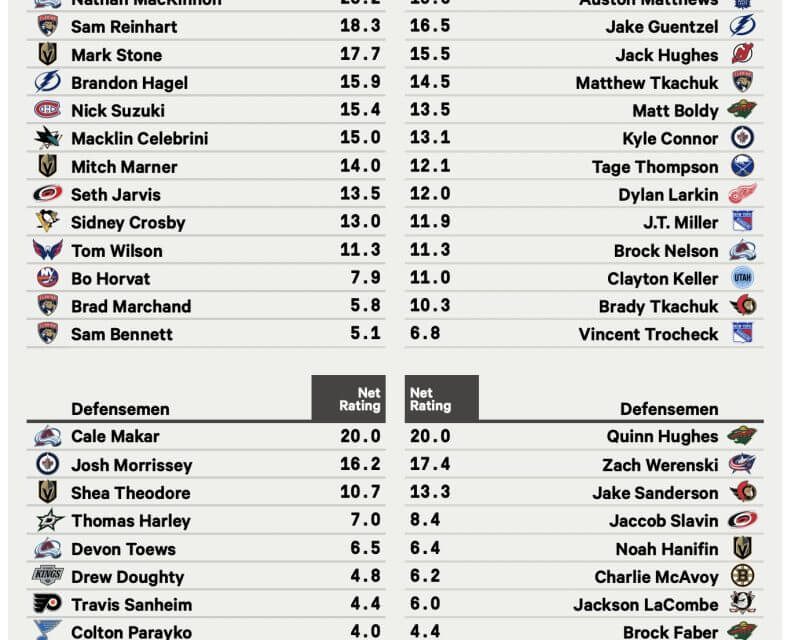
The U.S. hopes to contend with Canada for gold, suggesting a narrowing gap between the two hockey giants over the last 12 years. However, America’s lineup, missing top scorers like Jason Robertson, Cole Caufield, and Alex DeBrincat, might not match up to Canada’s wealth of talent, including superstars Connor McDavid and Nathan MacKinnon.
Despite these notable absences, the depth of the U.S. team remains commendable. Matthew and Brady Tkachuk, alongside Jack Eichel, bring intrigue to the roster. Yet, they don’t boast parallel options like Canada’s “third-line center Sidney Crosby” and emerging star Macklin Celebrini.
On defense, Canada boasts Cale Makar, deemed the best globally, with Quinn Hughes seen as a close match for the U.S. Both teams feature strong defensive setups without glaring weaknesses. The U.S. may bear a slight goaltending advantage with Connor Hellebuyck, though his form has dipped recently. On Canada’s front, uncertainty lingers over Jordan Binnington’s current form; potential backup Logan Thompson may emerge as a critical player.
Other Medal Favorites
- Sweden: Recent recoveries from injuries, including Victor Hedman and William Nylander, bolster Sweden’s status as a strong contender for bronze. Their defense led by Norris Trophy hopeful Rasmus Dahlin adds to their strengths, despite a lack of star forwards following Leo Carlsson’s injury. Goalie struggles with options like Filip Gustavsson and Jakob Markström remain concerns.
- Finland: While the loss of Aleksander Barkov dampens Finland’s prospects, with defenders like Miro Heiskanen and forward Mikko Rantanen, they retain a talented roster capable of impressive performances. Despite the absence of Barkov, players such as Sebastian Aho continue to fortify the lineup.
- Czechia: As an underdog, Czechia boasts winger David Pastrnak and promising goaltender Lukas Dostál. However, their defense, with limited NHL talent like Radko Gudas and Filip Hronek, could undermine their efforts.
The Rest of the Field
Switzerland features prominent players like Roman Josi and Nico Hischier, but depth issues make them unlikely medallists. Slovakia, led by Juraj Slafkovský and defenseman Erik Cernak, also grapples with goalie shortages. Germany, though intriguing with Leon Draisaitl and Tim Stützle, lacks enough depth for a medal run.
Denmark and Latvia show promise with players like Nikolaj Ehlers and Akira Schmid, respectively, yet struggle in consistency and depth. France and Italy, emerging from host nation privileges and growth stories, are included but carry little expectation of significant impact.
The Schedule
Olympic hockey kicks off on February 11th, with Finland facing Slovakia and Sweden meeting Italy in opening matches at Milano Santagiulia Ice Hockey Arena. Quintuple-game days and significant encounters, like Sweden vs. Finland on February 13th, mark the schedule’s highlights.
Canada’s debut against Czechia and the U.S.’s initial faceoff with Latvia on February 12th will spark keen interest, with pivotal matches scheduled throughout the week, including the U.S. vs. Germany on February 15th.
How to Watch
Men’s Olympic hockey viewing options include broadcasts on CBC, TSN, and Sportsnet in Canada, while NBC provides coverage in the U.S. Games will be accessible online via streaming services like Peacock, NBC Sports platforms, and CBC Gem.
 Knicks Lead Spurs As Fourth Quarter Begins: A Playoff Showdown
  Knicks Maintain Lead With Strong Third Quarter Play
  Knicks Secure Series Lead in NBA Finals Opener
  Forbes Fuels Marist’s Volleyball Journey
  San Antonio Spurs and New York Knicks Clash in NBA Finals Game 2
  NBA Finals Game 2: Knicks vs. Spurs Updates