Altadena Residents Struggle with Toxins Post-Fire
In Altadena, California, the fallout from the Eaton Fire has led residents to undertake extreme measures to combat toxic compounds affecting their families and homes. Sixteen months after the blaze, the neighborhood continues to deal with arsenic, lead, and asbestos contamination.
Community Efforts to Address Contamination
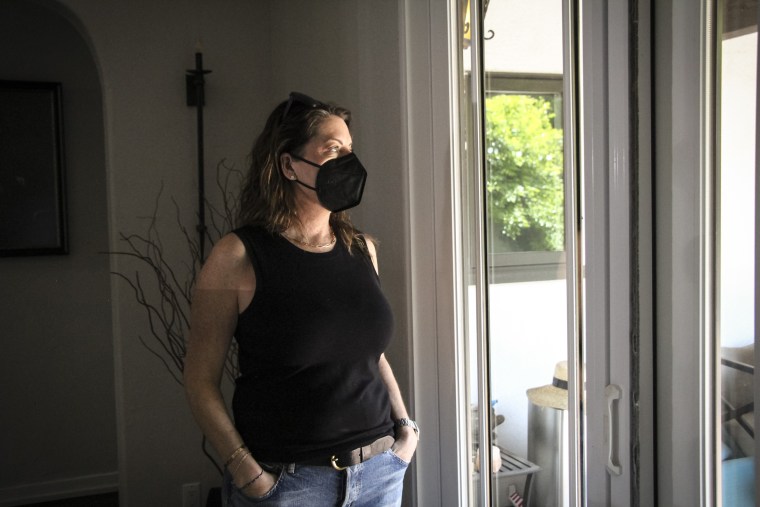
Jennifer Rochlin, a mother of two, was compelled to purchase lead tests from Amazon, finding lead prevalent in her home, including her HVAC system. Her experiences highlight the ongoing struggle faced by many locals who are yet to return, despite whether their homes were directly damaged. Insurance coverage is running thin, leaving two-thirds of affected residents displaced.
These challenges have spurred academics, scientists, and advocacy groups to investigate the contamination further. Interviews with residents, scientists, and officials reveal inadequacies in how systems respond to such crises. Dawn Fanning, who leads Eaton Fire Residents United, emphasized the unique nature of the urban firestorm.
Lack of Standards Complicates Resolution
California lacks safety standards for indoor residential contamination due to substances found in Altadena, complicating decisions for homeowners and insurers. Inconsistent testing methodologies add to the confusion.
Moreover, FEMA and the U.S. Army Corps of Engineers did not include soil testing in their cleanup protocols, causing concern over potential long-term soil contamination. Whistleblowers from the Army Corps expressed worries about the rushed and incomplete work, noting leftover debris.
“It’s so incomplete. Other fires, we’re going from fence line to fence line, scraping, taking it all,” said one whistleblower.
According to an Army Corps spokesperson, the cleanup mission was outlined by FEMA and agreed upon by California and Los Angeles County, focusing on removing structural ash and debris and the top six inches of soil.
Environmental Impact of the Fire
Situated against the San Gabriel Mountains, Altadena’s location adds complexity to its challenges. The Eaton Fire burned 9,400 homes and structures in January 2025, mixing materials such as lithium, arsenic, and asbestos into the smoke. Alireza Namayandeh from Stanford University researched the smoke particles, noting their nanoparticle size, which raises health concerns due to their ability to infiltrate the lungs, blood, and brain.
 Limited Interest in Arctic National Wildlife Refuge Oil Auction
  Confronting the Truth Behind Sustainability Buzzwords in the Food Industry
  The Aftermath of Santa Rosa Island’s Fire
  Largest Seizure of Illegal Cockroaches in Australia
  Flesh-Eating Fly Returns to the United States Causing Concern
 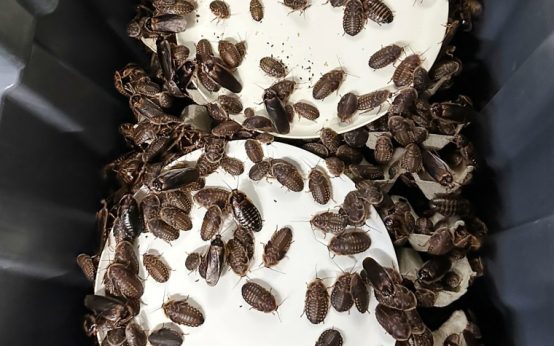 Australia’s Largest Seizure of Exotic Invertebrates: Over 100,000 Cockroaches Confiscated