El Niño has long influenced human history, leaving significant impacts on global events. This natural phenomenon involves shifts in Pacific Ocean winds and water temperatures, leading to major changes in weather patterns worldwide. Over centuries, El Niño has been linked to severe droughts, heatwaves, and even epidemics.
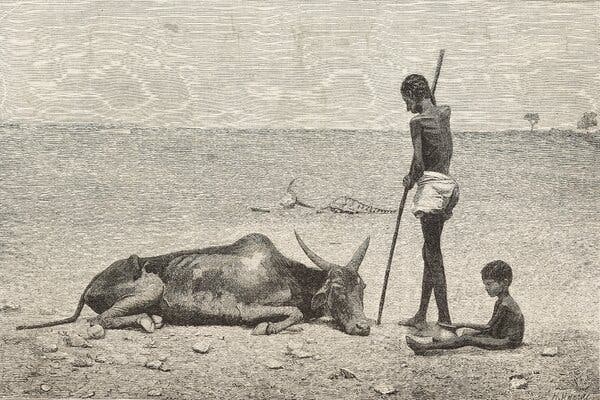
Historical evidence suggests that El Niño contributed to crises in regions like ancient Egypt and present-day Peru. A particularly devastating instance occurred in 1877-78 when an El Niño event led to widespread famine in the tropics. This tragedy was a factor in deepening global inequalities, still resonating in today’s distinctions between developed and developing nations.
The world is now entering a new El Niño phase, with researchers warning it might rank among the strongest ever recorded. Such a development serves as a reminder of nature’s ability to cause significant upheavals. While the current El Niño is still forming, experts emphasize its potential to exacerbate existing vulnerabilities.
Today, nations monitor El Niño through advanced oceanic gauges and early warning systems. Agriculture has become more advanced, and many countries maintain strategic grain reserves to buffer food shocks. Large-scale famine is not anticipated, but there remain considerable risks.
The anticipated El Niño could strain the global system already under pressure. Fertilizer shortages are challenging farmers, a result of the Strait of Hormuz closure. Rising energy prices, influenced by conflicts in Ukraine and Iran, strain national budgets. Additionally, cuts in foreign aid have weakened safety nets for poorer countries.
 Xavier Becerra Advances in California Governor Race
  Pentagon Reduces Recognized Religious Affiliations
  U.S. Military Awaits Pentagon’s Clarification on Troop Levels in Europe
  Xavier Becerra Advances in California Governor Race
  Graham Platner’s Campaign Amid Controversy
  South Carolina GOP Primary Heats Up as Trump Endorses Evette