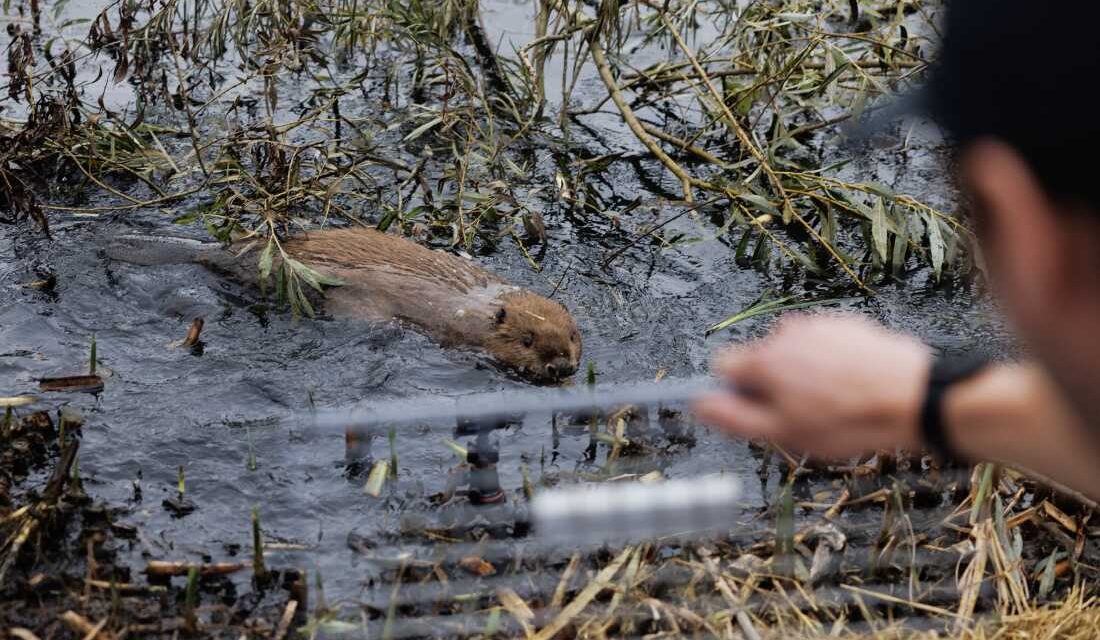
In October 2023, a family of beavers was introduced into the Paradise Fields nature reserve in Greenford, England. This marks the first time in 400 years that beavers have lived in the west of the British capital. The project, part of the Ealing Beaver Project, saw two adult beavers and three kits settle into the 20-acre urban park.
Historically, Greenford Tube station suffered from frequent flooding due to heavy rains. But now, the beavers have created a pond and wetland that have significantly reduced the area’s flood risk. By damming a creek and redirecting its flow into tributaries, the beavers have mitigated flooding in the region.
Adapting to Climate Change
The introduction of beavers is part of a wider initiative to help Britain tackle the challenges of climate change, which has increased the frequency and intensity of rainfall. Conservationists believe that these animals, known for their natural engineering skills, can develop resilient landscapes that absorb water more effectively.
Sean McCormack and Elliot Newton, pioneers of the Ealing Beaver Project, emphasize the beavers’ role in transforming the park into a large sponge that prevents flooding. Their work has not only prevented floods at the local Tube station but also invited diverse wildlife to the area. The beavers’ activity has welcomed an array of species back to the landscape, including freshwater shrimp, new bird species, bats, and butterflies.
Cost-Effective and Sustainable Solutions
The Ealing Beaver Project has negated the need for costly infrastructure projects like reservoirs and levees. According to McCormack, the beaver’s natural activities offer a far more sustainable alternative.
Visitors to the park can now witness beavers and other wildlife interacting within their new habitat. Beaver safaris and guided walks provide opportunities for local residents and tourists to observe the creatures in action.
Reintroduction Across the UK
Britain is reintroducing beavers to combat biodiversity loss and environmental challenges. Beavers, previously extinct in the area due to overhunting, are now at the heart of a movement to restore native species. Countries like Sweden began such reintroduction efforts in the 1920s, leading to today’s promising developments in Britain.
In 2009, two Norwegian beavers, Millie and Bjornar, were introduced to Knapdale Forest, Scotland. They marked the beginning of the UK’s modern beaver population. The success of this initiative evidences the potential for rewilding engagement in other parts of the country.
Challenges and Adaptation
The unregulated release of beavers in Scotland has caused logistical issues, with some spreading onto private lands. This has affected local farming communities, where beavers may flood agricultural areas. Despite these concerns, numerous farmers have also acknowledged the benefits brought by beavers.
Farmers like Tom Bowser recognize beavers for their role in natural flood management. On his farm, Bowser has seen positive changes, including a pond formation that benefits both wildlife and visitors.
Beaver projects are proving popular elsewhere too. Reintroduction initiatives are taking root across Europe and even in parts of the United States. In South Norwood Country Park, there are aspirations to bring beavers back, harnessing their potential in ecosystem management.
These efforts symbolize a growing recognition of beavers’ capabilities in promoting biodiversity and mitigating climate-related challenges. With plans to expand the initiative, beavers may yet play a crucial role in the UK’s environmental strategy.
 Limited Interest in Arctic National Wildlife Refuge Oil Auction
  Confronting the Truth Behind Sustainability Buzzwords in the Food Industry
  The Aftermath of Santa Rosa Island’s Fire
  Largest Seizure of Illegal Cockroaches in Australia
  Flesh-Eating Fly Returns to the United States Causing Concern
 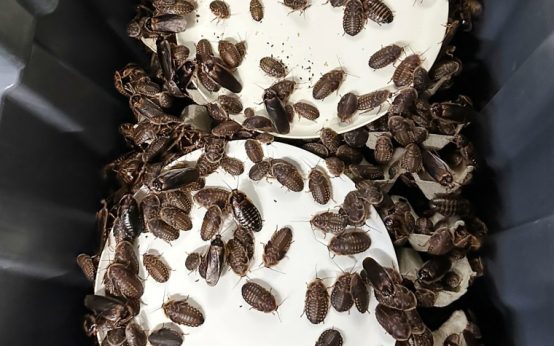 Australia’s Largest Seizure of Exotic Invertebrates: Over 100,000 Cockroaches Confiscated